


I don’t agree.
I think that’s part of the problem.
But I’m here.
And maybe that means everyone thinks I do.
I don’t like anything about the boat or where it’s going, but I’m just a deckhand, doing my bit, and I like my job.
I like the people around me, I like them all as individuals.
But here, on the boat, everyone loves the owner. I think he’s a coward, and for some reason that guy has figured out how to get enough money in his pocket so that everyone around him wants to blow smoke up his ass.
I don’t want to.
I don’t give a slice of cake about what he thinks of me, and that’s fine, because I’m pretty sure he doesn’t even know my name. I don’t like that he has all this power on the boat.
But he does.
And the boat and crew bend over just to make him happy. Don’t get me wrong, I’m grateful. I need the money and we go to great places. The work is fine and I’m healthy. Everything is great, until he comes into the equation, and then I see what everyone really is. I thought when I started they were here because they liked the work too. But they’re not. They want to be near him, or his money.
I wonder if he knows.
I wonder if he cares.
Must be nice, not knowing, not caring.
But while I’m here, on this boat, it doesn’t matter that I like the work, because every time I realise what the boat is for, a part of me dies. And I don’t think I want that anymore.
Kit
Rule number one of kit prep: look ally. Everything in the army is about looking like you’re good at war. The army is probably the most indicative moment in my life where I felt I belonged to a culture. But that was more just because I looked the part. It’s one of those things I learned early on: if you look the part, you play the part. Three or four days in the field doing night ops, kit prepped correctly, moving around in the dark, and you realise that as long as you always look like you’re lethal and ready for this, you’ll become it.
In the military if you can’t run a six-minute mile, you can’t run a six-minute mile. The scores are on the board. How you perform is a direct correlation with how you’re valued.
But what happens within each team at different scales is what the culture defines. What is it that we value? What are we measuring? Do we care about haircuts, or your grouping with a 9mm after you’ve run two miles?
And once people know you’ve got a good grouping and you can run, do they care about the haircut? Probably not.
What I loved in the military was the work. But do I agree with the overall idea of being part of a military force and all that entailed? Less so. You can unwillingly become a participant in a wider culture that is trying to do something at a far greater level than the small actions you’re taking within it, and understanding that from inside is very difficult, because often we’re just trying to fit in.

There were many things where I was part of the culture. There were many things I wasn’t. I don’t like drinking very much. But for some units I was in, that was an important part of how they came together. Certain nights you go to the bar and you have a beer together. I’d rather go to the gym, go for a walk, draw. Those nights aren’t something I enjoy, but I’ll do it, and sometimes when I participate, I’ll not know the rules, because I didn’t grow up going to pubs. But I’d still display membership. I’d still show solidarity, because leaving that cultural system meant that I would lose the ability to participate in the better parts of it, the freedoms of it. My job was reliant on it for a long time.
I knew that by not going I was spending my status, saying I was good enough at something else to justify my lack of adherence to the code. I also realised over time that it’s a cheap win, and eventually it became easier to comply and fit in and spend that status accrued elsewhere. But when I made that decision, I lost a part of myself to the culture.
Recognition
When we have these agreements that we make between us as a crowd, eventually those agreements cause repetitive actions, and those repetitive actions become culture. Culture is a byproduct of consensus reality, the version of the world a group has agreed to treat as real. That doesn’t mean that you can’t participate in it and disagree with the consensus.
Consensus occurs when we all see some value, objective or aspect of reality the same way. Being fit is good. Spending time together rather than apart is important. Wearing the same clothes improves efficiency. If we all value the same things, we communicate how to improve them. We align our goals together, and over time, that results in the texture of the group’s culture being organised around these values and perspectives.
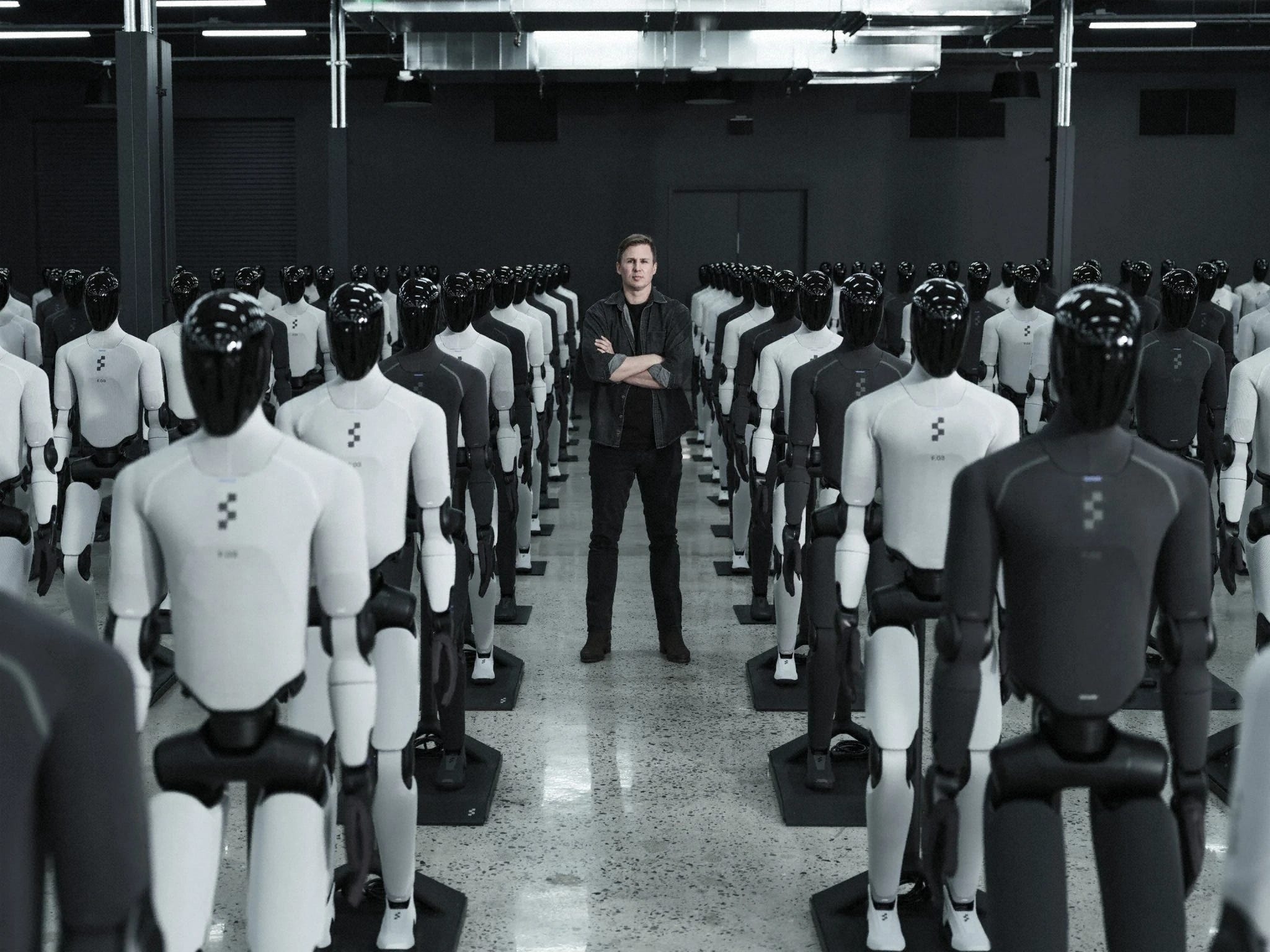
Groups find ways to show who is or is not aligned with the culture; it lets newcomers know what to do before they can achieve it. In the military, run times are known. The infantry has a 2-miler. It’s run with 20kg in a backpack and a rifle. When new officers arrived at a battalion, we knew their 2-mile time before we knew their face. (Sixteen minutes is the accepted bar.) Having operational tours is another great example in that industry. You might be problematic and overly opinionated, but if you’ve had a few punchy tours, you’ll be allowed to voice your opinion. These measurements act as a passport. They let you move around the culture in less or more restricted ways if you have them.

The passport buys you the chance to act differently within a culture, but it doesn’t give you the ability to influence it from your novel actions. You might be beautiful enough to not wear heels in the nightclub, but that doesn’t mean your friend is. The doorman is still in charge, and the culture will allow exceptions where it wants. And once you spend that status, it is spent.
A lot of people have bought their way in, exchanging success elsewhere as a way to play a game in another field. They have the passport. But the credibility is spent on entry. You’re still expected to play the games of whatever the culture asks.
Markets
For the last few years I’ve been building a practice that takes my art and builds a bridge towards fashion. They are the two cultures I move between, and they ask different games of their passport holders. The art and fashion markets both build products for sale. That’s how they function. That isn’t to say that art is simply the production of objects for the art market, the same for fashion. Art is a far greater exploratory experience that sometimes results in an object that has commercial viability, but I would say this is rarely the aim. Fashion, while exploratory in its process, generally revolves around the production of garments that are worn by others. Fashion has some purpose. It’s worn. It’s used. And therefore is reliant on some trade at its base. It is a product, always, and thus fits into the market dynamics of our modern world in a cleaner manner.
While there are many great artworks that have no commercial value, and just as many artists, there are very few great fashion designers who haven’t had commercial success. Therein lies the tension between the two industries. And the opportunity for them to work together.
Great art need not succeed commercially, but it must succeed culturally. Fashion’s collaborations are best centred on this freedom. What would we create if it didn’t have to turn a buck? What would we create if we just wanted to communicate our idea, knowing that art does not always make money, but does always cost it?
Culture
Businesses sell tools, access, convenience, recognition, status, or even an association with values. Their intention is to contribute something and extract the value required to better deliver that. That doesn’t mean it’s wrong, but it does mean that often this isn’t an emergent product from the culture growing naturally; it’s a new node in the network. It is connected to value and profit.
A business that’s built from within a culture is generally there to support what a culture is already doing. The track spikes within track and field. The firework displays for New Year’s Eve. There is demand, and a solution arrives.
Cultures define the products we should value and spend on: an English home seeks a garden, a Texan has a car, a Swiss banker is judged by the size of his house.
Once a culture becomes reliant on an external provider, it loses its agency. Once these provisions become baked into the culture, the direction the culture trends towards is defined by these elements.
Fashion bends to Vogue and the press, the military to the defence sector, the art world to the museums. While they are all connected and aligned to some degree, they do not have the same incentives. Because they are inherently different. They have consensus on some elements, but as the relationship evolves, it becomes clear that deep down, they are not the same.
Participation
The layers of culture often create a border around them to maintain security, so that people can’t come in. Just like a land border there are trade association groups, networking events, conditions of entry into any culture. Is this guy wearing Off-White trainers still? How gauche, we’re on Salomons now. These all seek to protect those that they deem to be credible, just like an MFA from Yale in the art world or heels in the club. It puts a bar on who can play the game by making sure that they come through a certain standard, and that means that they almost control the value system within them.
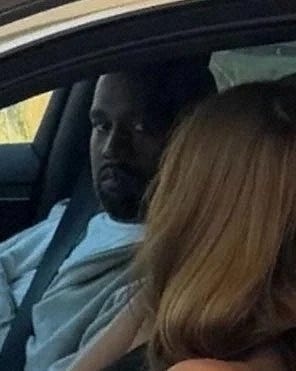
But once you have a culture, and you have commercial success within it, you now have the ability to divert it. You can change where things go. OpenAI started as a non-profit, a strong way to attract the best minds at discounted rates. A culture around exploration and endurance that a private company could not have. Wait long enough and the boat changes form. But now the cost of leaving is too great.
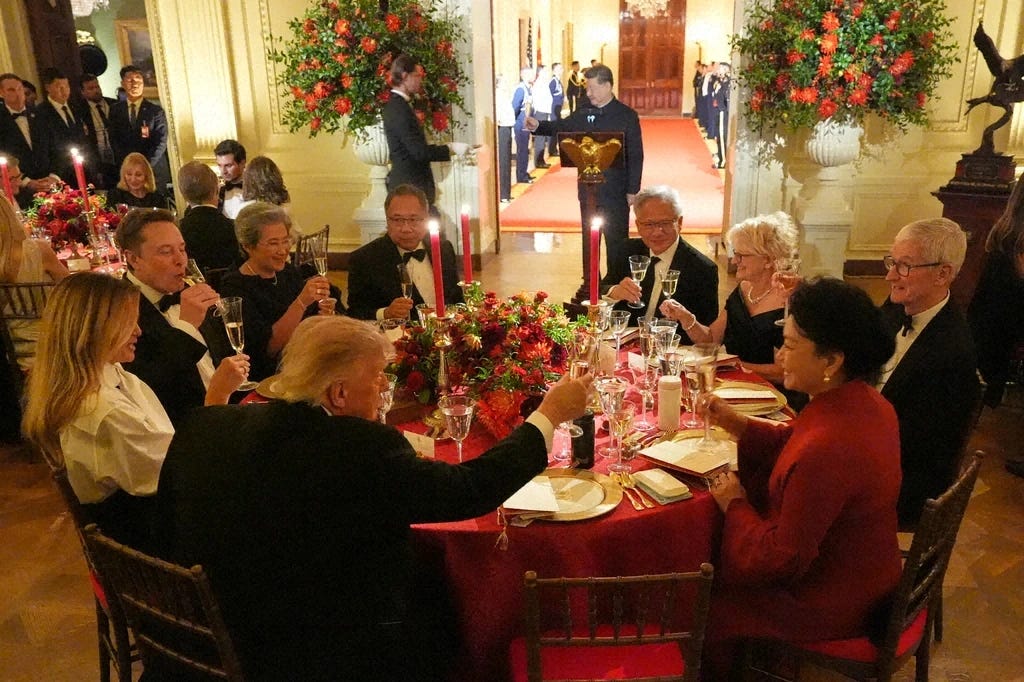
It’s a common bait and switch. I joined the army because I thought they were going to pay for my architecture degree and let me row across the Atlantic. I was mistaken. And once I was in the culture and trying to figure out how to survive or get off the boat, I became stuck. As we all do in relationships we thought were different to their eventual reality.
Lemonade
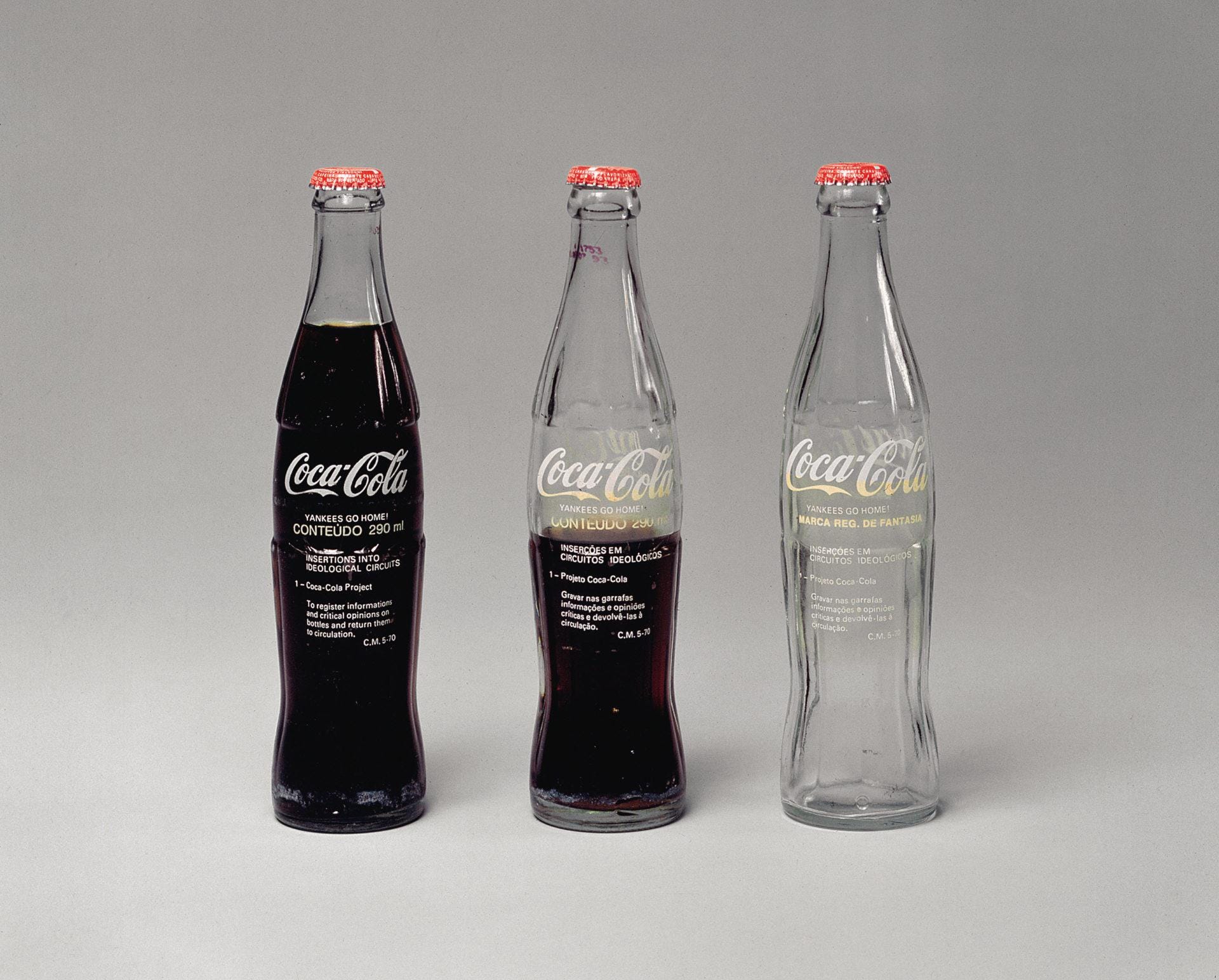
My interventions are like small boats of my own, I like to watch what people do once they’re on board. Maybe it makes me feel like I’m in control, I don’t know. But my favourite part of them is when I have a mutiny and someone does something with them, I didn’t expect. While I’m building for coherency, I most desire the opposite. With the interventions, what I’m trying to create in that first second of an installation is consensus that participation is acceptable. I’m trying to make it easy for them to do something they wouldn’t otherwise do. I hope to do this by firstly lowering the bar of entry, but generally through making it something they want to do. As soon as somebody has the desire to participate and give themselves a role, their identity has moved.
Thus begins the game.
One of my favourite installations from a few years ago was a lemonade stand. It was called ‘When life gives you lemons’. We attached some speakers to a bin full of free lemonade, and the lemonade had a QR code on the cans that went to a Spotify playlist.
You hear it, see it, pick up some lemonade and then scan the QR code. It takes you to a playlist where you can add songs which are playing next to you.
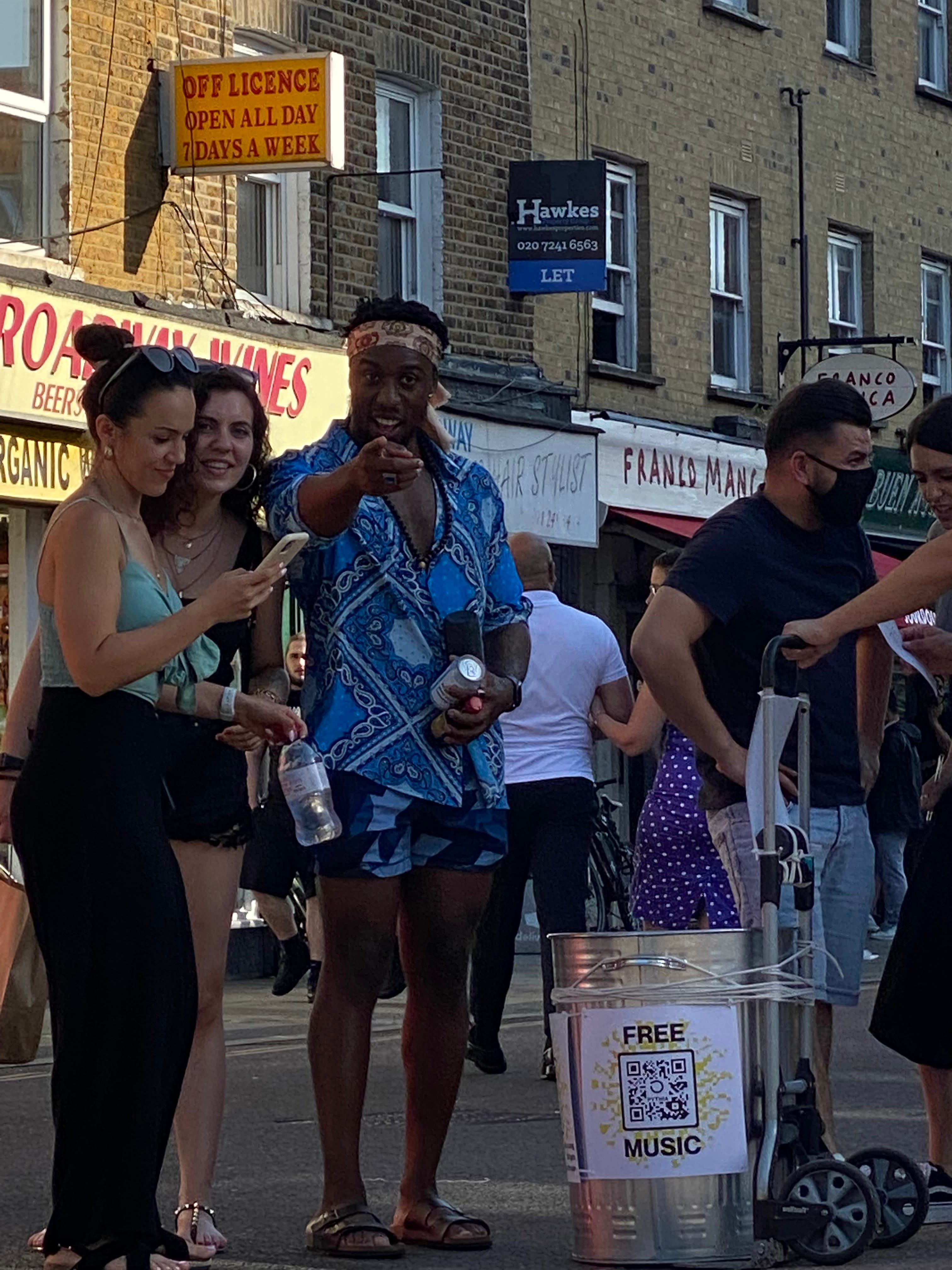
Nobody scans QR codes, they’re annoying. And this is a long process. But when we put it in places, what was interesting is how the people around it would set up rules. They’d teach one another what’s going on. At the end of the intervention, we put it out in Broadway Market, and a man ran over from his friends, took hold of it, and decided that the right amount of free lemonade for everyone is two cans.
It seemed excessive for me. I even felt that one can per person was a bit much, and it was already quite painful financially. But as he began handing out cans to new people, people started asking, “What is this?” Without a drop in his step he said, “This is mine. I made this. All you’ve got to do is scan the QR code and play the music.”
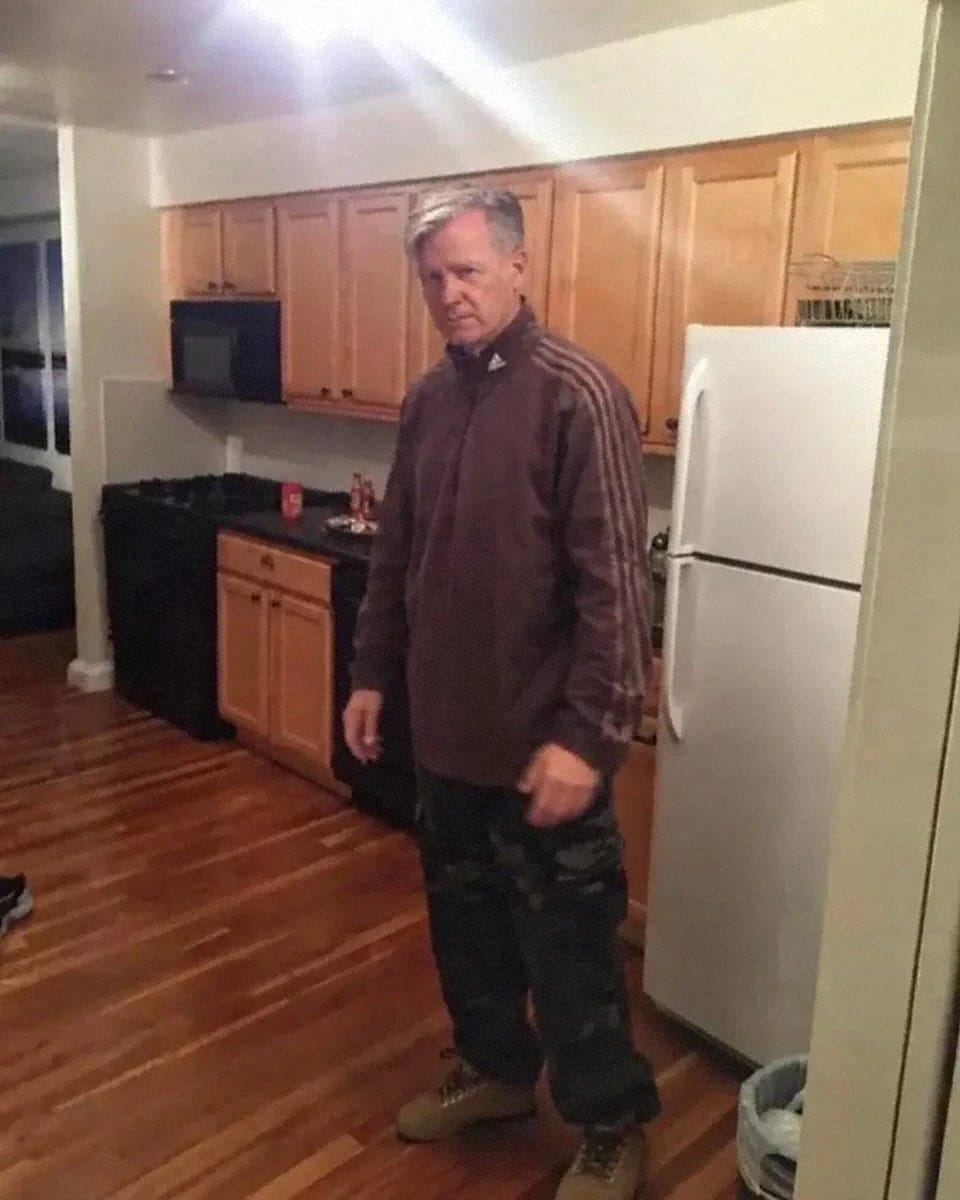
People listened, they asked him why he made it, what’s the reason, the lie continued, partly alcohol-fuelled but from what I could see, he genuinely believed it. And he was building a crowd; having someone next to the game made it grow. People would haggle and try and convince him that they needed three for their friends. But as a capable steward of his work, he stood by his rules.
It gave him a space to perform a role that wasn’t him. It was a minor culture, but it had resource and it had a space for someone to contribute to it. For a short period, he had some status within Broadway Market, within his friend group. He had found a way to contribute, but in the process, he had become someone he is not.
We all have this in us. We are isolated and deeply long to connect. Deep down I know that when I write, I hope it’s valuable enough for you to say to a friend, “Hey, this guy’s saying something interesting, you should read it.” But this creation of culture is a two-way street, because you may also say the opposite.
Final words
What I believe is that if art is to have this higher-order influence on the world, it cannot just be from some culture. It must address and explore who we are beyond this. Yes, there will be craft that is developed from within, that will help us communicate, but to challenge the cultures it must examine them from the side. Maybe that’s why we enjoy the starving artist, because we know he hasn’t been poisoned by the well of the city.
Not all art has to do this. But the art that examines and understands a culture sees it more critically from the side. I believe this is how fashion and art should coexist. Fashion brands looking to connect to art should offer their space for critique. For exploration.
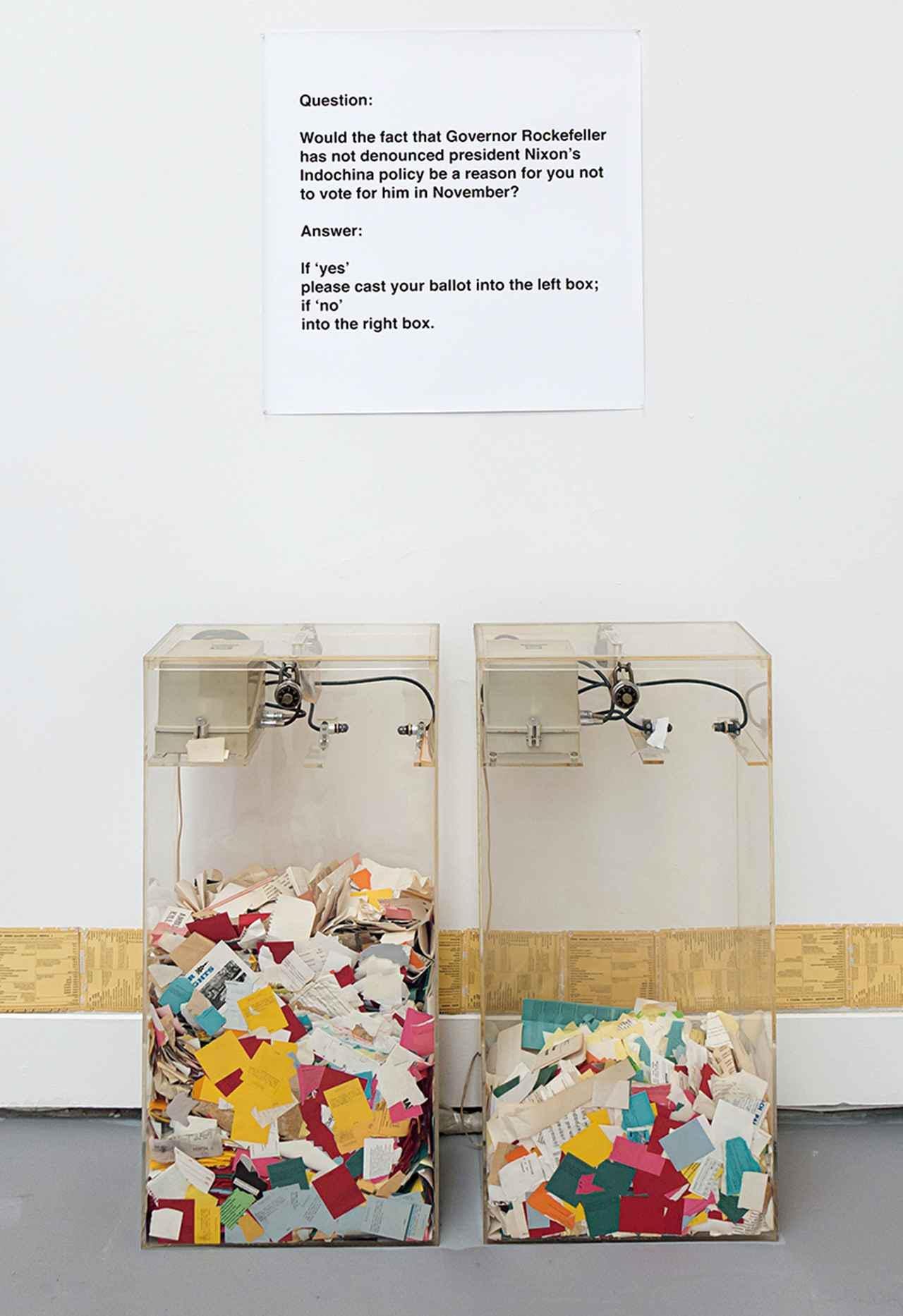
Throw 1% of revenue at it, find some artists that you love and say to them: this is what we’re doing. Take it to the edge, show us how it’s wrong. Use it to inform the core processes, show it alongside the runway. Or keep it in the office or the archives. But don’t try and find a way to merge the cultures. We have consensus over what we must look at. We do not need to share a home.
While fashion and art collaborate, art must be able to not generate revenue, or it loses its freedom. That’s not to say it won’t, but it shouldn’t have that intention as its highest goal. Warhol made money the subject of the work; the loss comes when it becomes the condition of the work instead. And art must realise that fashion will take a part of its freedom. Fashion has already given up part of its space for exploration to make sure it stays commercially viable. These transactions are how cultures meet, and they are normal. But those crossing the bridge should know that they may lose a part of themselves that is hard to find again.
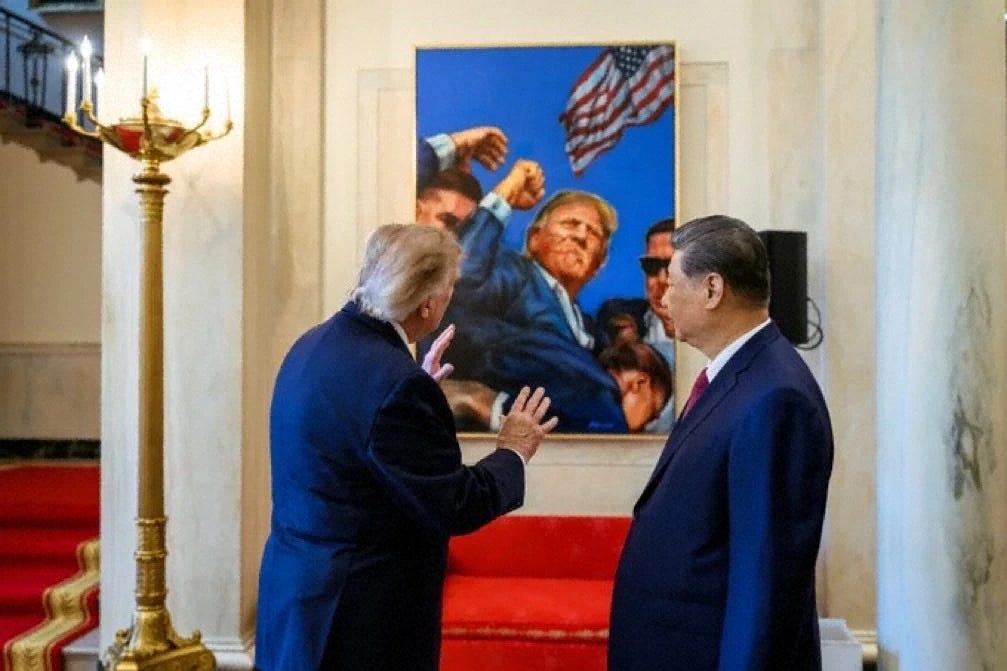
I’ve had great relationships with fashion brands since I came back to London. The first thing they asked of me was that I be more visible, something I was trying to avoid at all costs. The work sometimes demands that we change if we want to go in that direction.
Just as all of us seek out validation from cultures so we don’t feel alone, we also risk losing access to the parts of us that the culture doesn’t value. The transactions are part of the social side of being human. And we never know how much they cost until we’re in.
I love you loads,
Your obedient servant,
Russ x