


I have fucked up.
I know what this smell means. It means soon. I won’t be able to avoid it anymore. The timer has begun, and this time I cannot forget.
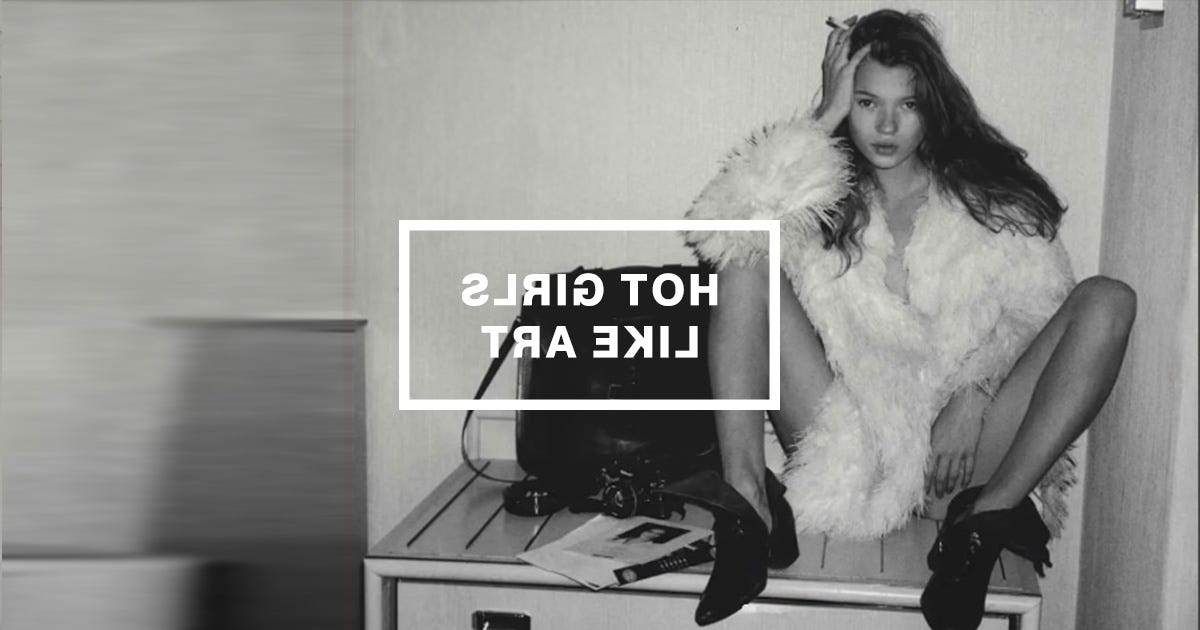
Sweat and cotton.
The sun is doing its best to turn the room into a live demonstration of life inside the microwave that has been precariously hanging off the shelf above us since I arrived. Next to it, a stack of books that have clearly had more time spent on them than the abandoned luxury gift boxes scattered around the room. My head is still spinning from the organic pharmaceuticals we’ve spent the last day producing in one another.
Duvet pulled into a crater, pillows wedged against the wall. The nest she’s built seems designed for this exact routine. She reaches for another cigarette. I realise that if our current condition wasn’t a red flag, this should be.
It isn’t.
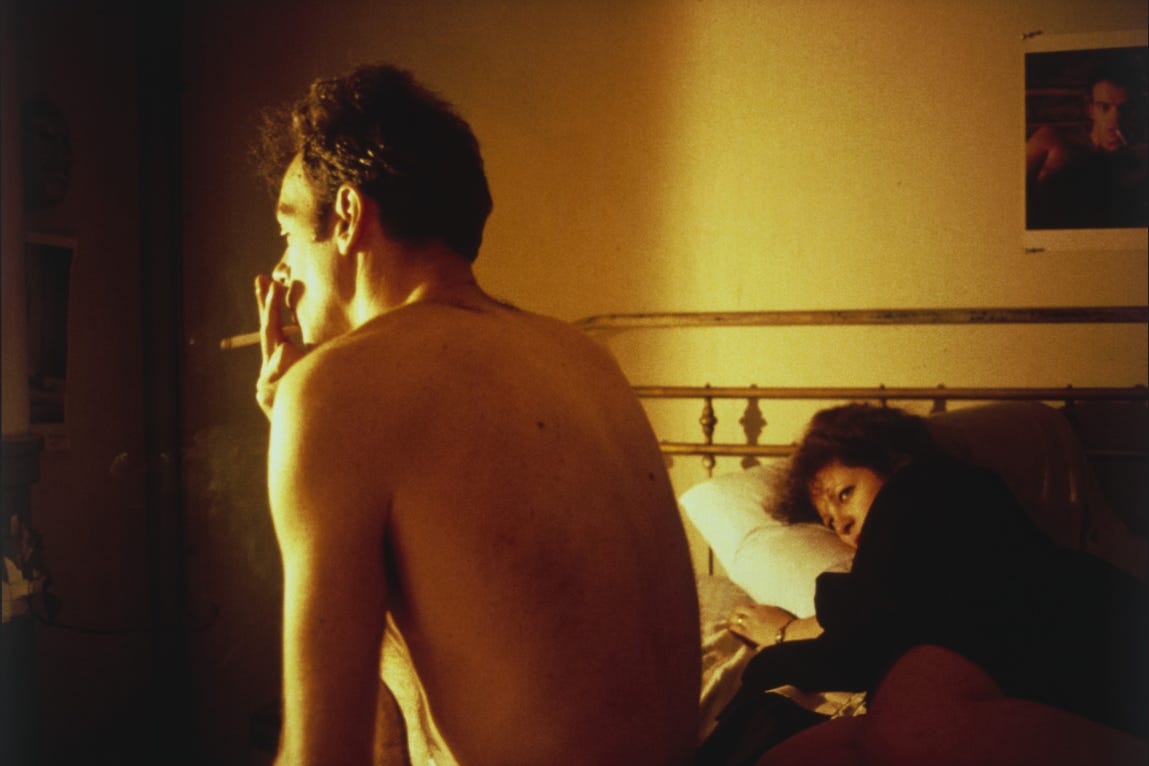
She lights up and gestures towards me before she manages to finish a complete pull. The sound of the flint in the lighter and the first fizz of the tobacco burning quickly erases any stirring feeling the post-coitus clarity had brought. That bullet of nicotine has brought me right back to the version of reality I’d prefer to be in right now. Why waste a good moment?
As she leans over me to retrieve a makeshift ashtray, I feel the pressure of her lace-clad nipples dragging against my chest, and I am reminded that even though some parts of the humans we interact with are not real, they are nevertheless very well crafted. Thank you, Dr Chu. Your work is appreciated.
Avoiding distraction.
I gaze over the books.
She knows,
I know.
But the game must continue.
Most people wouldn’t finish this collection in a lifetime.
She has,
despite having days that revolve
around art, pilates, and dance.
A regime.
Every treatment,
every detail,
meticulous.
Someone who has clearly decided
that if she is going to exist,
she is going to do it at a standard
most people don’t have the discipline to sustain.
I drift away,
reminiscing about being a 13-year-old boy
spending his money from washing cars
to buy the girl down the street a rose,
an act she describes as “weird” and “a bit gay”.
A confusing moment for the boy,
but one in this current situation,
mired in sunshine, smoke and sweat,
watching Slavic Wonder Woman
take back a Marlboro Red,
That is beginning to suggest
He wasn’t doing anything weird at all.
But there is something
He will have to explore
in his complex choice of women.
Nevertheless.
From where he’s sat now.
Somehow,
it all worked out.
Kind of.
He is content with himself.
Isn’t that enough?
But as much as I want to be convinced,
that this is it.
With how easy that should be
Given the ineffectiveness
of all the red flags around me,
for some reason,
I cannot
let go.
Until her head pokes under my shoulder, skin pressed against mine, and I realise that I have smelt this before.
Now please. This is not a bad smell. She is not, as they say in the playground, smelly. Quite the opposite. If anything, it’s floral, a touch metallic, maybe even pharmaceutical. It’s not perfume. I’ve smelt her perfume before too. Maison Francis Kurkdjian, Baccarat Rouge 540. Somewhat red flaggy now, but some latitude is needed given the time.
Underneath,
it’s her.
And I don’t know
why I’ve smelt it before.
Or when.
And I don’t know what that means.
Apart from one thing,
I do know.
Something is not right.
And the timer has begun.
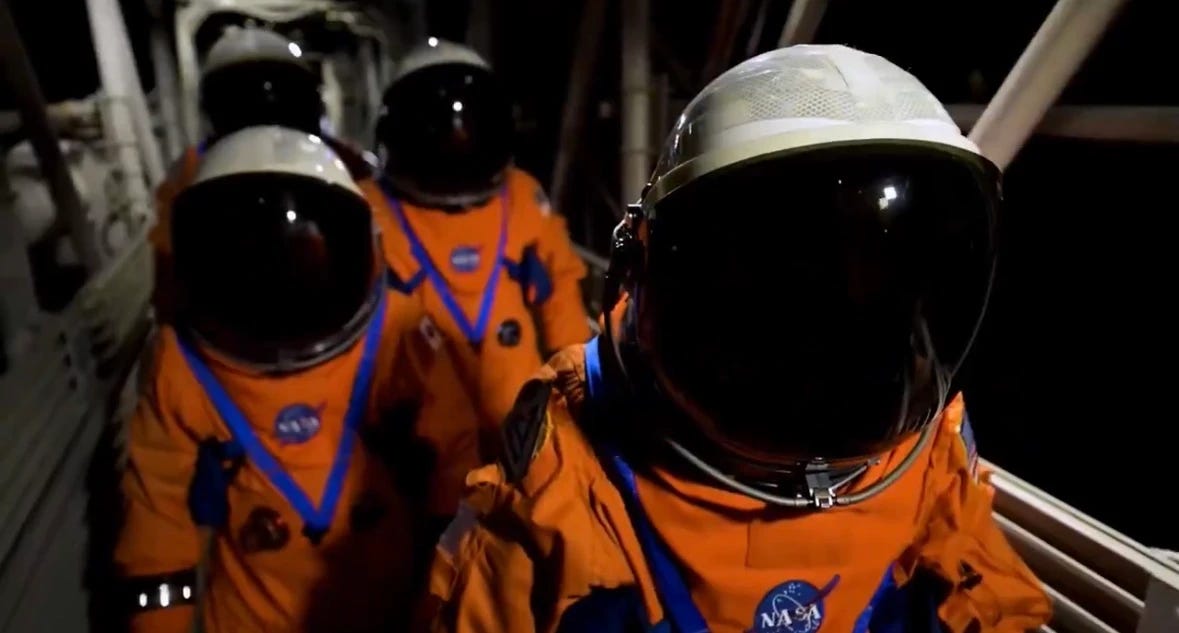
Smelly
We keep certain memories because we like having access to them. They’re the ones we share with friends and fondle with care when we’re alone. They form as stories, ideas, narratives. But some things are too complex to hold as stories. Some are too painful to keep in vivid detail. So we compress them into systems. They are processed into rules, habits, treaties, and reflexes. Allowing us to get rid of the heavy reasoning behind.
If you’ve ever had a hunch or felt something guiding you in your gut or chest but had no idea why, it’s likely this. The subconscious is a system built on memories we no longer see. Don’t go down that street; the dog will get you. We don’t remember the dog, just not to go down the street.

Groups, Nations and Economies all do this too. Compress reasoning into a more manageable structure so it’s easier to function
Over time, we don’t just lose the reasoning. We lose the ability to question it. The system continues to spin, and we obey because it’s been right often enough that doubt feels like a lower payoff bet than trust. The body sends a warning. An interpretation that the smell isn’t right. And all of a sudden we have no idea why, but we know what we have to do.
Store of Value
The Library of Alexandria wasn’t a library in the way we think of libraries in the modern world. It was a state-level project to centralise the reasoning behind how society navigated, built, healed, and governed. Ptolemy I started it by seizing manuscripts from ships in the harbour and sometimes only returning the copies. Every scroll was a compressed decision someone else had already tested with their own blood or money or time, and he wanted that reasoning under one roof where it could be taken apart.
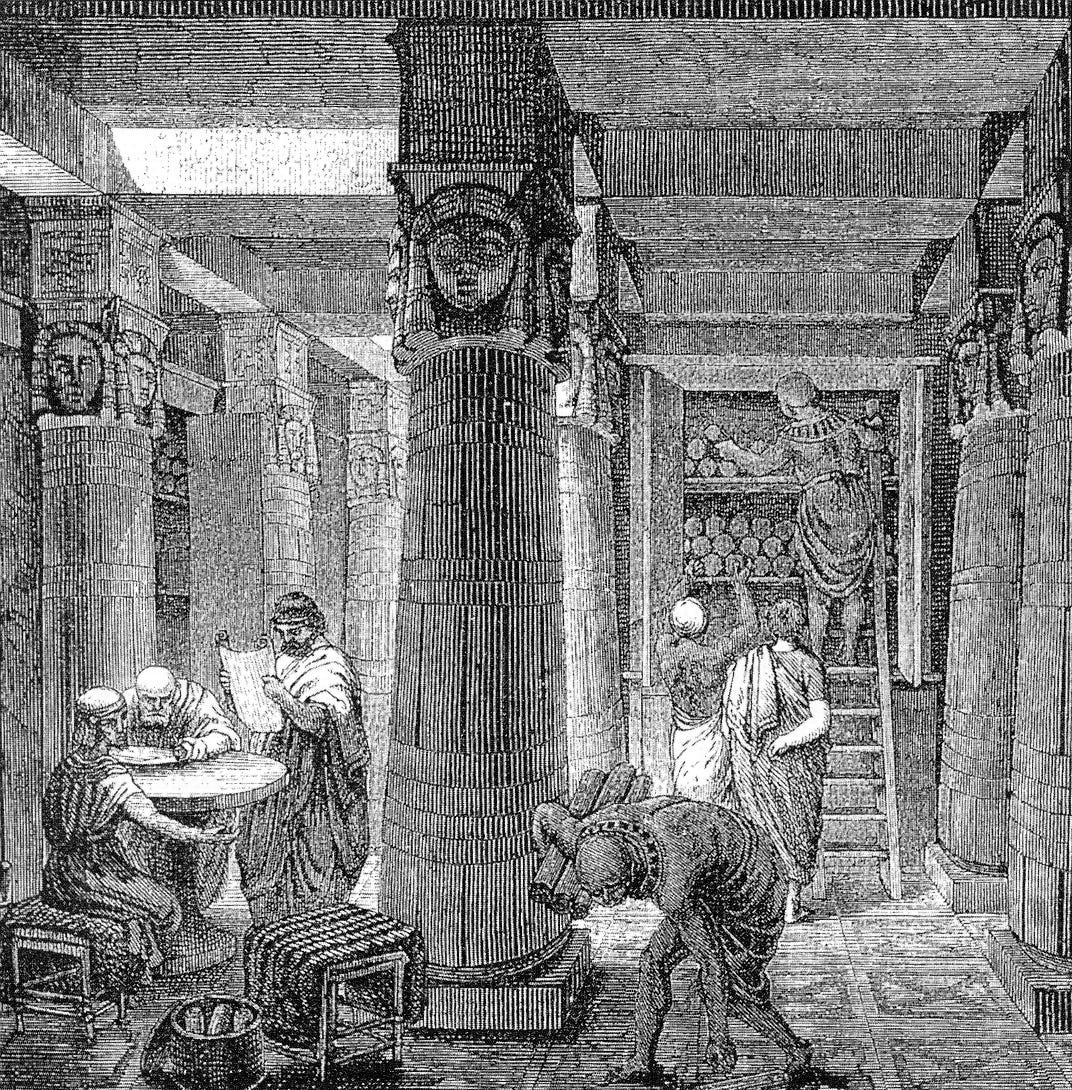
At its peak it held close to 400,000 scrolls. Euclid’s Elements was written there. He pulled together the knowledge of geometry that already existed in fragments across the Mediterranean (planet?), and compressed it into a system so coherent that it outlasted the building by two thousand years.
When the library burned, the knowledge survived. It had already scattered. What was lost was the ability to interrogate it. Ships still sailed. Laws still functioned. Medicine continued. But the why behind every one of those systems was sealed inside them, unreachable.
Over generations, the what survives. The why does not.
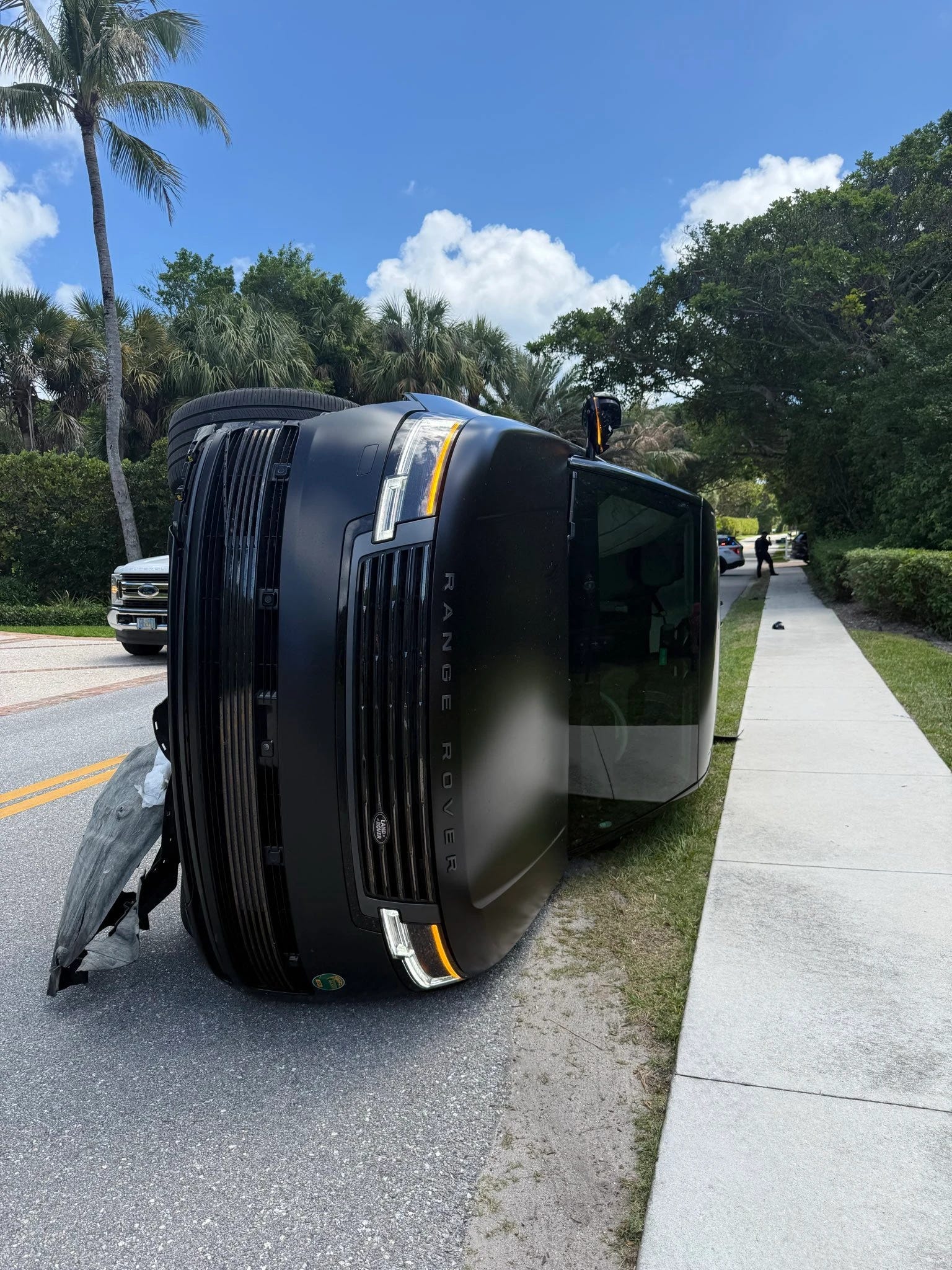
What does it mean to lose the reasoning underneath something that still functions? A relationship that runs on its own infrastructure long after both people have forgotten what they were building. A fear response that fires every time, faithful as a dog, guarding a door that no longer exists. A smell that triggers something the conscious mind deleted years ago and the body kept on file. Is this the loss of free will?
Solomeo
Brunello Cucinelli has spent forty years trying to solve this from the other direction. In Solomeo, a small Umbrian village halfway between Perugia and nothing, he bought a ruined castle, a church, and the surrounding farmland in 1985 and moved his cashmere company in. His thesis, Humanistic Capitalism, is that dignity and profit are not opposed, and his way to prove it is to make them structurally inseparable.
The artisans leave at 5:30. Lunch is provided and communal. The workshops train in techniques that take years to learn and cannot (yet) be replicated by machines. The skills live in the hands that practise them, not the books that define them. When a master artisan retires, the knowledge either exists in the apprentice’s hands or it’s gone. He has said he wants the village to outlast his company. That the architecture is the real product and that the cashmere is just how you pay for it.
I’m going later this year. I want to know what it feels like to stand inside a system that someone constructed deliberately. I want to see if the seams show. Whether the warmth is structural or performative. Whether the artisans are free or held.
Better pay than the surrounding towns is also a wall. Deep investment in a craft with one viable buyer is also a dependency. Limited public transport beyond the zone is a boundary. A system where the memory of this is a good life is reinforced every day through ritual, and inertia. That in itself is not necessarily sinister, but it has limitations if we desire to maximise freedom for the constituent parts. If it’s not clear already, this is how memory systems work. Enshrined rules and relationships.
Alexandria recorded the reasoning in its original format and lost it to fire over time. Solomeo makes the reasoning physical and risks losing it to market demand. Both are asking the same question. How do you keep the original reasoning alive long enough for it to matter?
I don’t have an answer. But lying in that room, surrounded by evidence that should convince me, I know the feeling. My body pulled a file my mind had burned years ago. No context or memory. Just a trade agreement, faithful and precise, drawn out of a memory I no longer recall.
Maybe that’s enough. Maybe the system doesn’t need to explain itself to be right. The smell is the reasoning. Compressed so much that it doesn’t need the story anymore. I just need to experience the trigger.

But the question remains, if I don’t know where it came from, how do I know if it’s still what I need to listen to?
The hardest part of understanding the subconscious isn’t being able to recognise when it’s driving us around. It’s unpicking what happened in the first place enough to build a system around.
And only then can we decide whether it should still exist.
Poets Corner
That time I started to dig

I can't remember what it was
that made me one day
start to do it

jabbing at the ground
digging to the depth
of the head of a shovel

turning over the surface
burying, digging, turning
burying, starting again

hitting the surface
turning it over, starting again
remembering

I don't know what it was
that made me one day start to do it
I just one day started to do it

and starting something
that's never to be finished,
is the start of something anyway

- Thomas May
Final Words
This week I’ve been thinking about belief.
If there’s a reason you think you can’t do something,
there might be something underneath it telling you why.
Sometimes you have to look around in the shadows to find it.
And when you do,
it’s worth asking whether it’s still a good way to be.
Love you loads
— R x
p.s. I understand the distinction between scent-inspired memories and scent-inspired mating protocol due to genetics, but the story seemed apt, thanks…
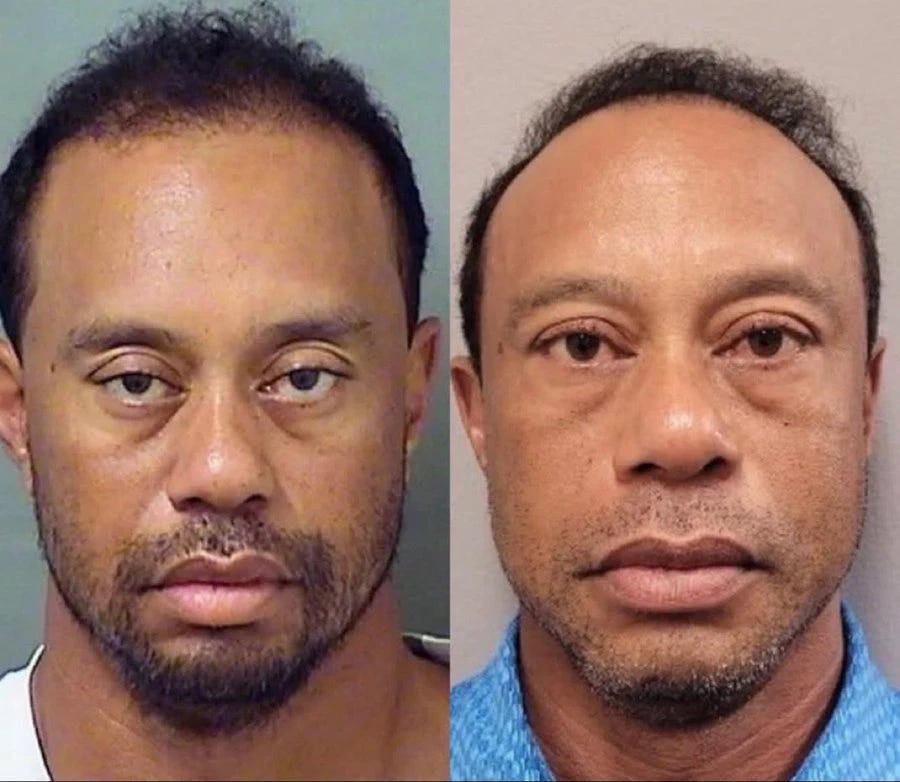
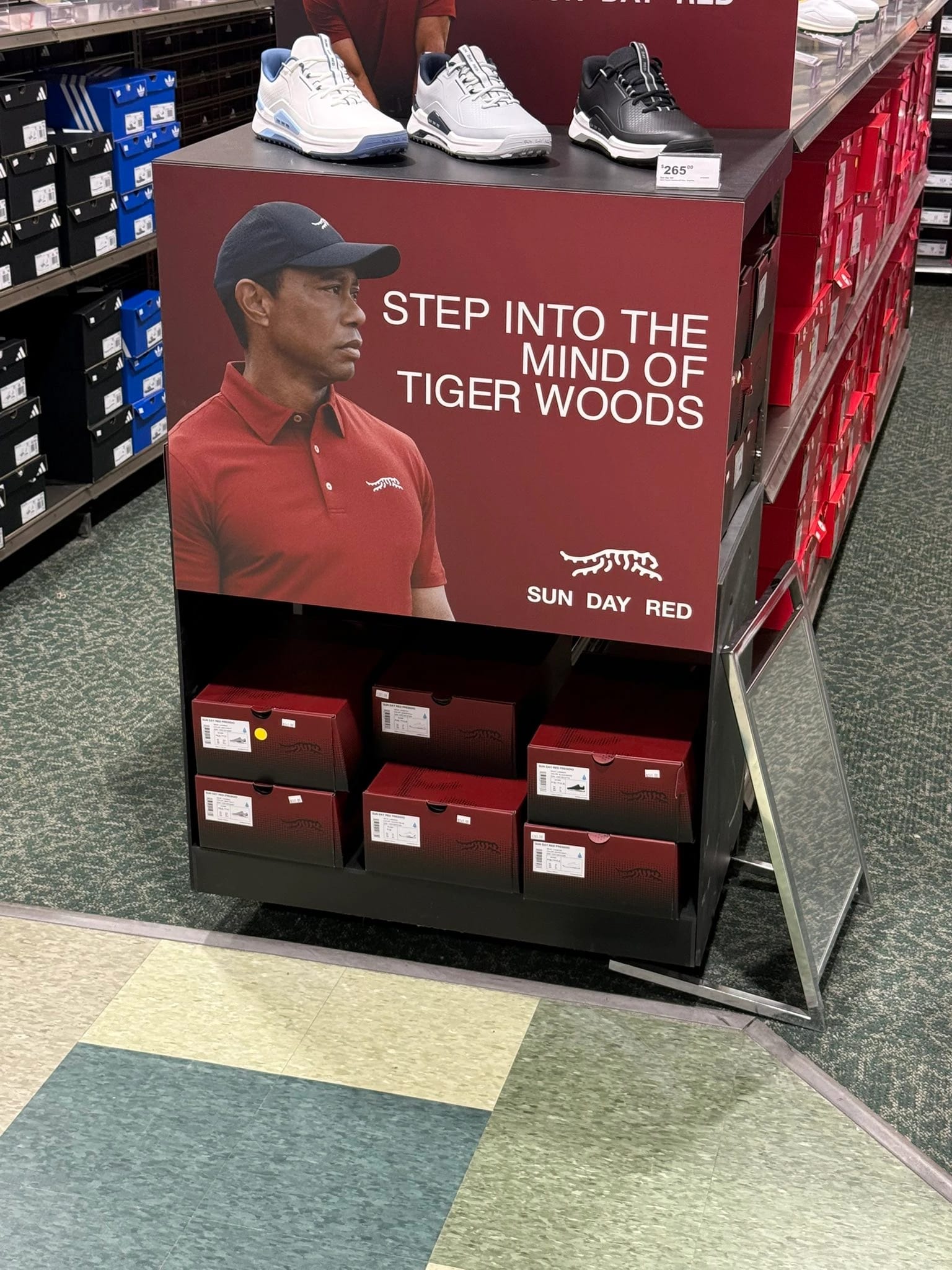
p.p.s. I actually really like Tiger Woods’ inspirational journey. I hope he’s doing okay…