


Some housekeeping before we start this week
If you’re enjoying these emails and want to help me out,
Move this email from updates to primary by dragging it over

And if you’re with a different email client, just hit reply and say anything.
It would help me out a ton
Last week, I started climbing the substack charts, and this week, the newsletter gods are pulling me down by relegating where I appear in email clients

Thank YOU!
I am not wearing cool shoes.
In fact, I have never worn cool shoes.
I don’t even know what that is.
But I am wearing something cool today.
I am wearing something I made.
The rain is hitting me in the face
and I do not care.
Because last week,
I found out
that I can make things
to wear.
The school yard is tough.
Today is going to be tough.
I know.
But at least what I am wearing is me.
I can smell the fresh thread.
The first time the cotton has been wet.
Maybe I should have washed it again.
But I like how big it is.
They say stuff shrinks if you wash it too much.
My uniform bunches up underneath.
The embroidery around my chest is raised.
I can feel it pressing out from me.
I want to say it is glowing,
but I am starting to see that it is a target.
I hide.
Shelter inside.
A stable base to wait for their review.
My temporary lair.
I wait for the other kids to come in.
Drifting into the classroom one by one.
I see their eyes scanning me.
New hoodie.
New bag.
New cap.
Maybe it is too much.
It is obviously too much.
I lean back in my chair,
letting my feet find the end of the table.
Holding me at the edge
of that beautiful balance point.
I am at peace.
My shoes may not be cool.
But this is.
I avoid eye contact.
Avoid the questions.
Let it build.
I like the silence.
It helps me focus.
Do not fall.
Do not let them see you stumble.
As our teacher enters the room, she breaks the wall.
“Caps off in here...”
“…What is that?”
“…”
“It’s mine miss…”
“…I made it.”
Mirrors
I sometimes think about how hard it would be to live without shoes and clothes. Going about our lives while walking around naked on the bare floor would be a completely different experience. And it’s an implicit decision that we all have to make daily, no matter what our income level or status in society.
There is a world of people who have these decisions made for them, maybe through uniform or even limited access to resources. But even within those constraints, the act is inherently creative. Decorating ourselves to perform our roles requires input from ourselves. Even the smallest choice (a rolled sleeve, a tucked shirt, a flash of colour) is always a creative act.
Fashion is the most immediate identity system humans have ever built. Clothing communicates continuously. A painting only communicates when someone stands in front of it. A sculpture only works in the space around it. But what you are wearing right now is broadcasting to everything and everyone you interact with.
It is always on send.
Fashion is connected to my practice in a way that no other industry is. Including defence. Because it inherently performs the role that I believe my work tries to communicate,
That everything is a mirror.
Our identities are not a discovered quantity but something we construct and project into the world around us to understand who we are.
Fashion is something that we see somewhere else, value, and bring into our own world so that we can become it. It does this faster and more visibly than any other medium. It turns everyone who engages with it into a walking exhibition of its ideas.
It is mimetic by design and shareable at its core. Whereas Art relies on a primary relationship. A participant who encounters the work, translates it internally and passes on a transformed version through a different medium. Fashion skips that step. The copy is the transmission. When someone adopts a style, the original signal travels with minimal distortion. The person wearing it continues the broadcast with minimal loss of meaning.
Distribution
The global fashion market is worth approximately $2.5 trillion. The global art market is worth approximately $65 billion. That isn’t a gap. That is a 40x difference in scale. If the fashion industry were a country, it would rank as the fifth-largest economy on earth, somewhere between Germany and the United Kingdom. The art market would sit around the 75th, next to Myanmar.
They are different species.
Over the last 30 years, fashion has roughly tripled in value. The art market has roughly doubled. But the recent numbers are more revealing. Since 2008, the luxury fashion market has grown by 130 percent. In the same period, the art market has grown by essentially zero. It is flat. Sixteen years of standing still.
This may seem cold from an artist’s perspective, but I am not talking about how much money is made in these industries. I am talking about the architecture behind growth.
Fashion over this period has figured out something that art still refuses to learn. The consumer is the carrier.

The art world has experimented with reproduction. We make prints, editions, multiples. But we have never committed to it as a distribution mechanic. Fashion did. Completely. When someone wears a garment, they become a moving surface that distributes symbols, references, and identity through public space. The person becomes the medium. The street is the gallery. The audience does the work.
Every other industry has understood this. Goldman Sachs makes merchandise. So do Citadel. Their hoodies and caps turn the hard power of success into soft power signals of a particular version of the world. Universities do it. Sports teams do it. The mechanic is simple. Put your ideas on a body and let that body move through the world.
The closest thing we have in the art world is the tote bag.
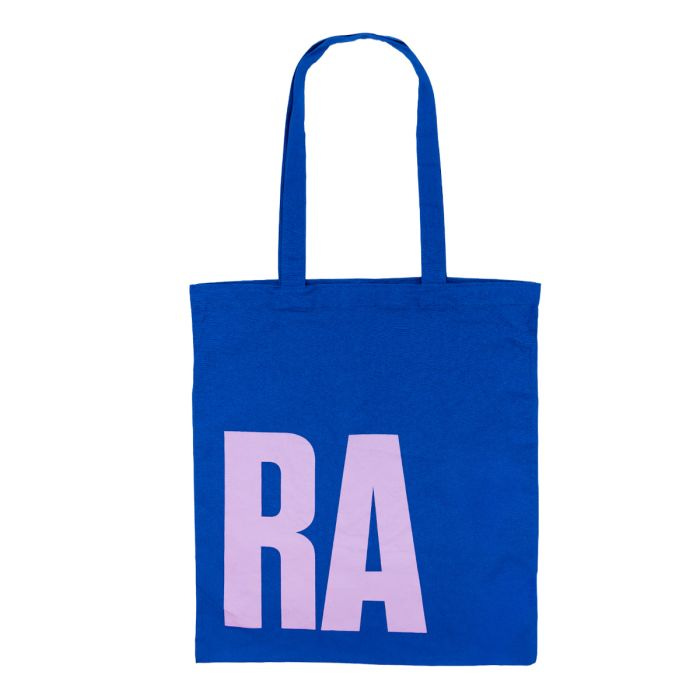
The gallery tote is the single piece of art world merchandise that has achieved genuine cultural penetration. Despite the art world having the most compelling visual content of any industry on earth, it has almost completely failed to put it on the one surface that could carry it furthest: the human body.
The collaborations that do exist between artists and fashion brands are almost always dead on arrival. The artist lends credibility. The brand lends scale. The result satisfies neither audience. I don’t know if I have ever seen a truly great one. And that is because both sides seem to misunderstand the exchange.
The art market’s refusal to engage with fashion as a distribution system looks principled, but it may be better defined as arrogant. It is self-defeating. If the art industry grows, everyone inside it benefits. More opportunities. More money. More visibility. More cultural relevance for all of us working within it. But nobody is willing to learn from the one industry that has mastered the mechanics of putting ideas onto bodies and letting those bodies carry them through the world.
Meanwhile, fashion continues to grow.
And art stays niche.
And maybe that is because we like the idea of being the small guys.
Big bro?
Fashion has always looked up to art and artists.
It borrows our language, references our artists, stages its shows like exhibitions, and calls its makers creative directors, not businesspeople. The entire luxury sector positions itself as adjacent to art because art confers one thing that fashion cannot generate on its own:
The feeling of depth. Of seriousness. Of something beyond commerce.
Art is the older sibling. We read the difficult books first and set the standard for what counts as authentic.
But what seems to have happened while we were not paying attention is that the younger sibling outgrew us.
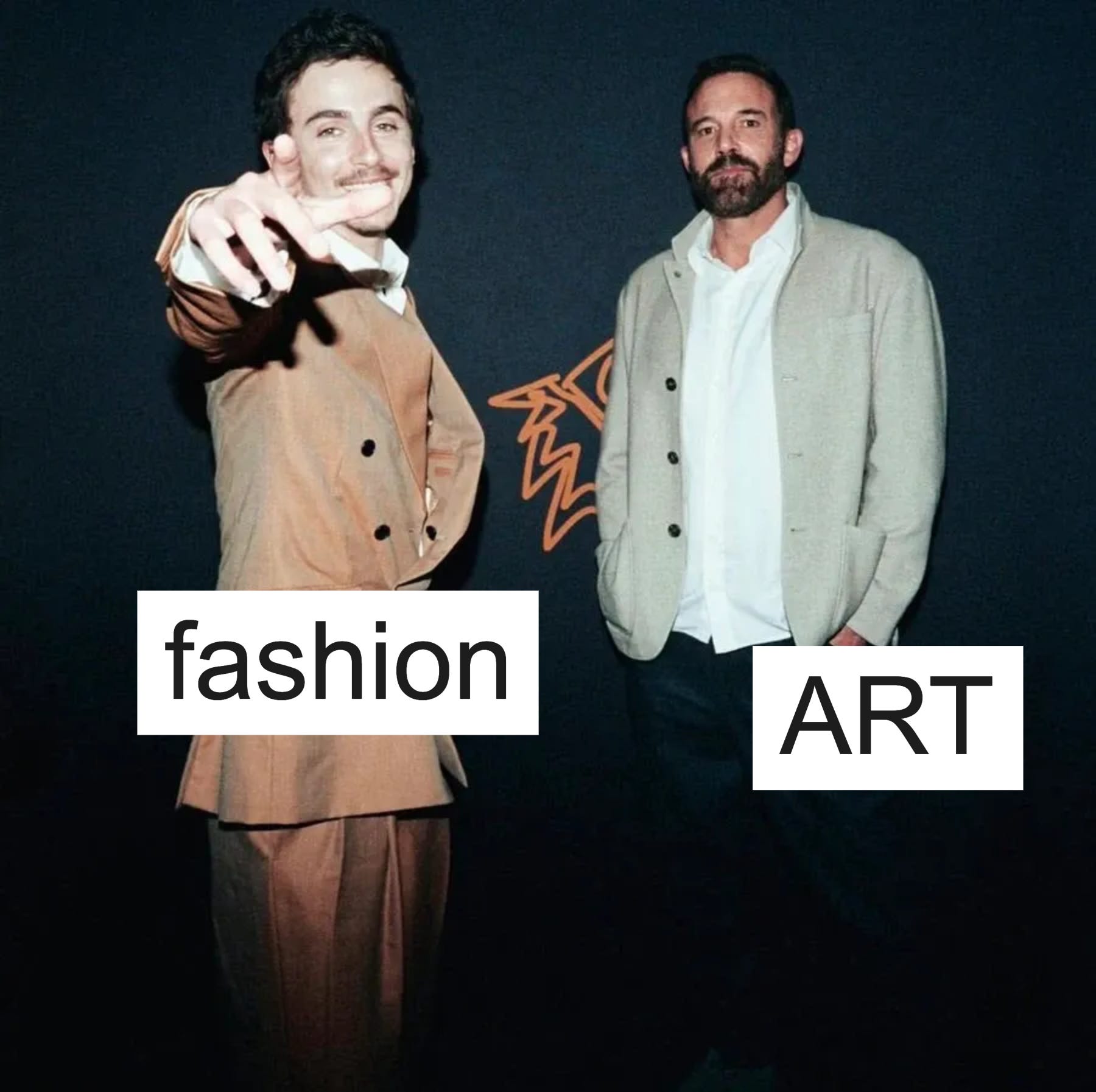
Fashion borrowed our tools. Visual storytelling, symbolic meaning, identity construction, cultural commentary, and built a distribution engine that art never managed. Fashion now reaches more people, moves more money, and shapes more identities in a single season than the art world does in a decade. Fashion is roughly 40 times the size of art. And the gap is widening, not closing.
The art world has not noticed because it is still measuring itself by the old metrics. Auction records. Museum attendance. Critical discourse. These measure prestige, not reach. They measure who is inside the room, not who is being changed by what is in it.
This comparison is only available to us because we are looking at fashion and art side by side, but a similarly stark reality may come from looking at content or technology.
The idea that art has nothing to learn from fashion, that engaging with fashion’s mechanics is somehow beneath us, is the kind of arrogance that shrinks industries.
What interests me most is the territory between the two. Where symbolic depth meets mass transmission. Where the encounter that changes one person meets the system that reaches millions.
That territory is largely unexplored. And I think that is because of how we currently structure artistic collaborations.
The model we have is simple: an artist lends their aesthetic to a fashion brand’s distribution. Painting on a hoodie. A print collaboration for a show. A name on a capsule collection. But this is just merchandise with a higher cultural credit rating. It isn’t using fashion as a medium. It isn’t carrying ideas further than the surface they are printed on.
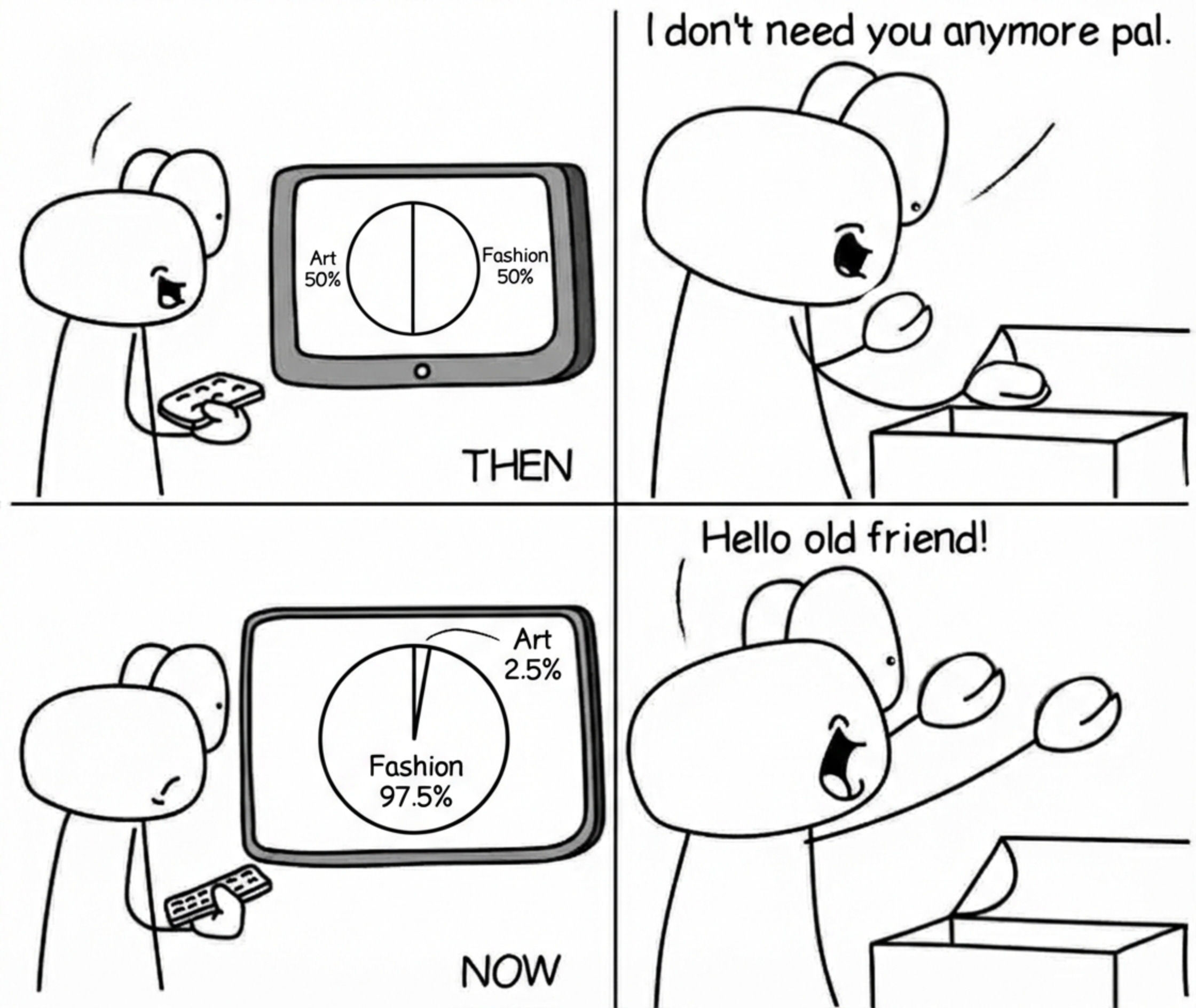
What if artists used fashion collaborations the way they use paint, installation, or video? As a medium for ideas, not a surface for decoration? Not “here is my work on your product” but “here is my investigation, distributed through your system.”
That is a different proposition entirely. And almost nobody is doing it.
Because right now, the bar for art-world merchandise is so low that even our friends over at Citadel can clear it.
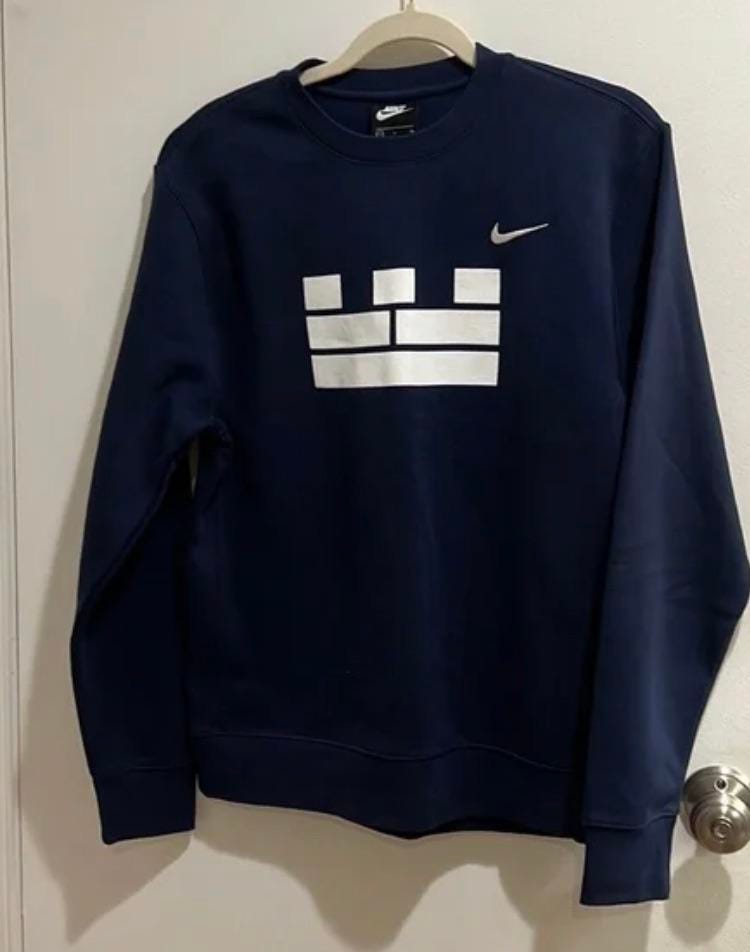
So what
I took a risk when I moved back to the UK. I wanted to explore this collaborative process at a deeper level. My offer to the world of fashion was that I could communicate something of value to them, and that offer arrived as street installation, views, and my Vogue mirror project.
Since then, I have had many collaboration opportunities, and I have judged them all by the same two questions. How close are you going to let me get to the brand and how it steers? And how much space are you going to give me to do what I do inside your brand?
These are the only two questions that matter.
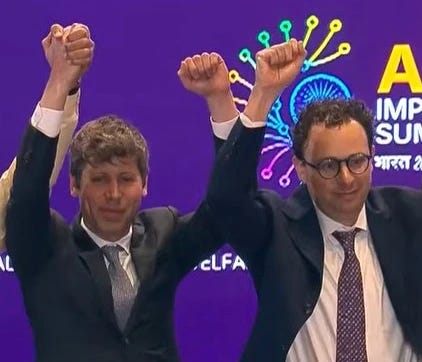
The Topshop collaboration for their relaunch was a three-month campaign. That was unheard of for them. In their history, they had never collaborated with an artist at that level, and to do it at such a pivotal moment, as the first act of a full relaunch, showed what an artist-brand collaboration could actually be.
Beyond the content and work we did, a lot of the conversations we had concerned what a brand like that stood for, or could mean. The raw 90s energy that built it kept surfacing. The chaos, the friction, the Britpop wildness that made Topshop feel like culture instead of commerce.
That wave was being built and discussed long before we created anything together, and being in the room when the decisions were being made about how to channel it changed how we talked to their VVIPs, designers and partners. How do you take a brand back to the streets? That was the question they were wrestling with, and they put an artist in the arena to help answer it.
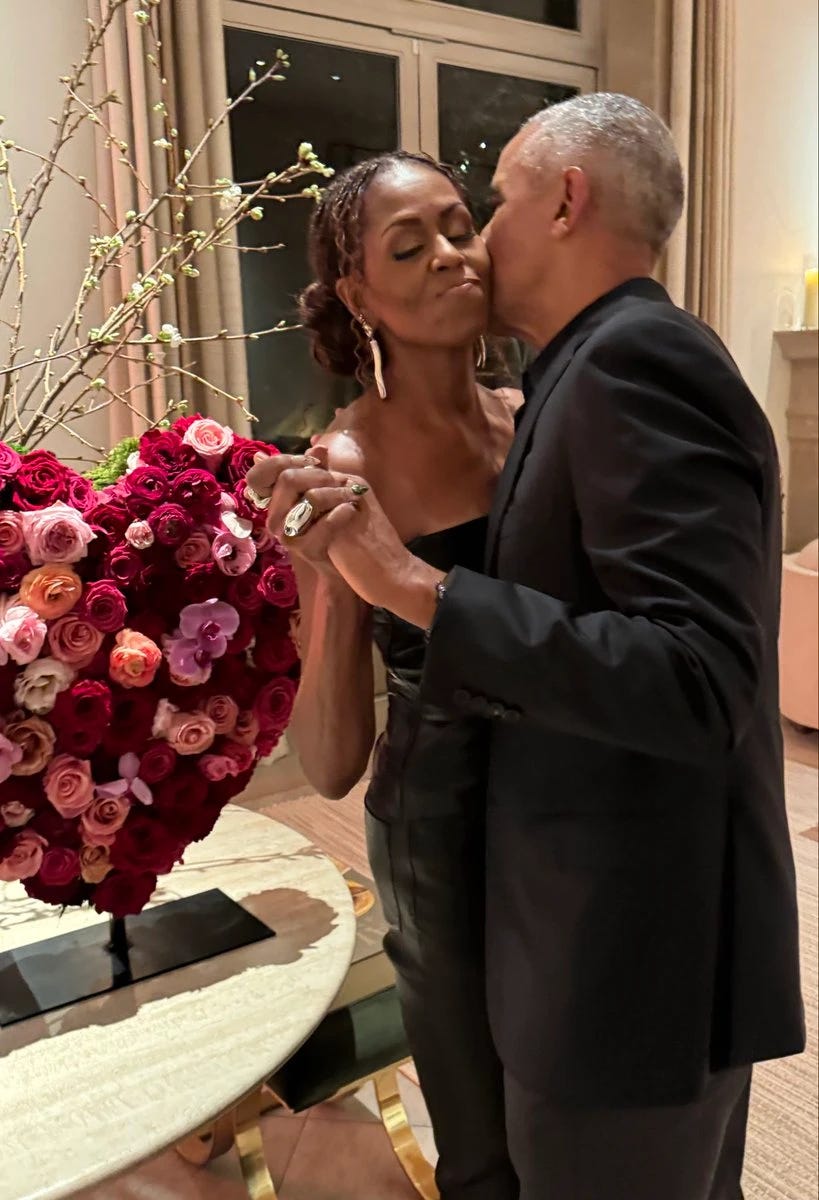
When I’ve taken on longer form collaborations, such as the ongoing one with Josh Mikawa (who reached out to me with a letter and a book after reading about my work), the conversation goes deeper, covering identity, references, and inspiration, influencing what a brand can be at its foundations.
I am still at the start of this exploration. I am still learning how the engine of a brand can be used for an artist to communicate what they are doing. And I am sure these will not be the last collaborations I take on.
But the reality is that I am trying to find a way for artists to play a larger role in an industry that is growing. Maybe it works. Maybe it does not. Maybe my head is in the clouds.
But consider this.
Artists working closer with fashion by helping them with their core ideas should result in more than a 1% improvement. After all, these are our tools they’re using.
And if that 1% growth in the fashion market moved to the art market over the next five years, that would be $25 billion. The art market is currently worth $65 billion. That single shift would represent a 38% increase.
More growth than the art market has achieved since 2008.
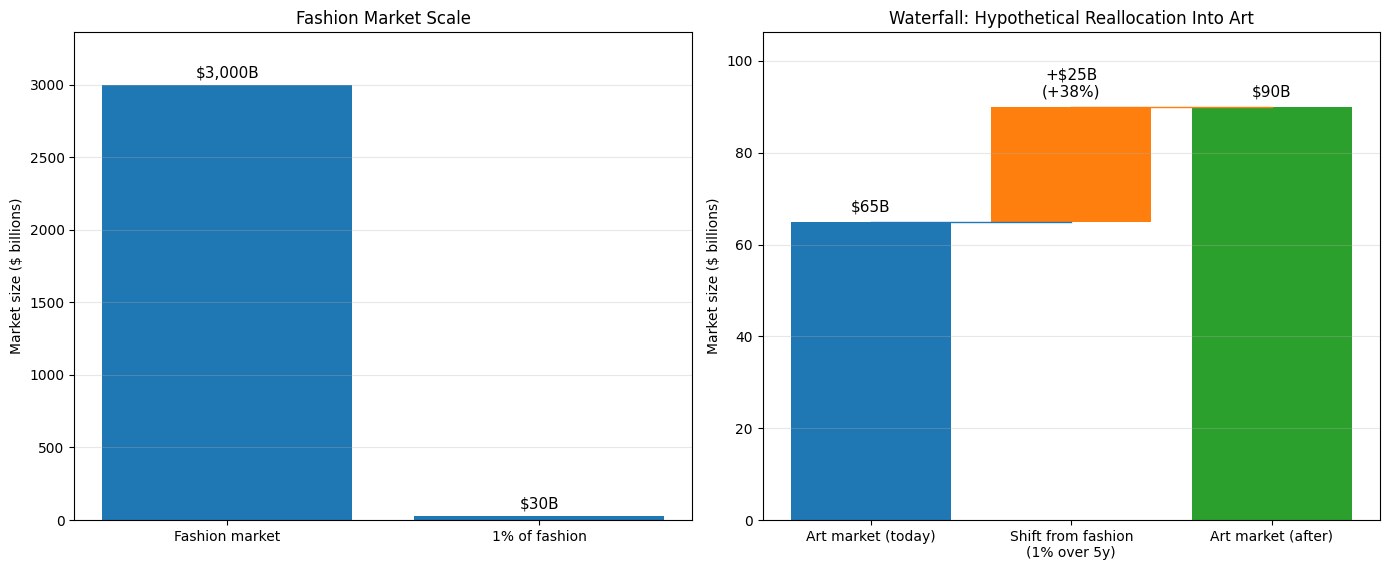
One percent of fashion would do more for artists in five years than the art market has done for itself in fifteen.
So when you see me working on fashion projects, this is what I’m trying to build.
I made the jump once when I was in school.
Maybe I can make it again.
Only time will tell if I was right.
Love you loads,
- R x