I look outside.
And everything I’ve seen
I’ve seen before.
This time.
I want to see something else.
It feels like there’s no way
to look at it differently,
but I know the way
I’ve seen it so far
has been the problem.
I know
the real thing I’m looking at
has become invisible.
It’s my eyes in the way.
Unclear.
Hidden.
Separated from view.
If I look long enough,
with clear enough eyes,
I’ll understand what it is,
and what I’ve become.
It’s happened before.
I’m on the balcony
of my small apartment,
looking over the city
I keep trying to escape.
Every time I wrestle with it,
I dig further into its surface.
Stuck.
Struggling.
Making the trap it has on me tighter.
So I look for purchase,
and my roots go deeper,
pushing me upwards
so that I can get some space
to breathe the air I need.
Trying as hard as I can
to get my head above the canopy
that keeps growing alongside.
I’ve been struggling for a while,
but when the sun
breaks through the buildings,
I know what I’m meant to feel.
Peace.
Calm.
That feeling that lets you know
everything is going to be okay,
because in that instant,
it is.
Sometimes I feel it,
but only in passing.
Always enough
to show me what I want.
Never enough
to become it.
But this time it’s different.
If I see that glimmer
behind the clouds,
I’m taking it,
keeping it forever.
I’ll put it in my pocket
and hold it wherever I go,
so that when the darkness comes,
I can find it.
You see,
it always comes,
the darkness
and there’s enough
in those stormy clouds
to keep you there.
To pull me from this place of contentment
and make me stay in the shadows.
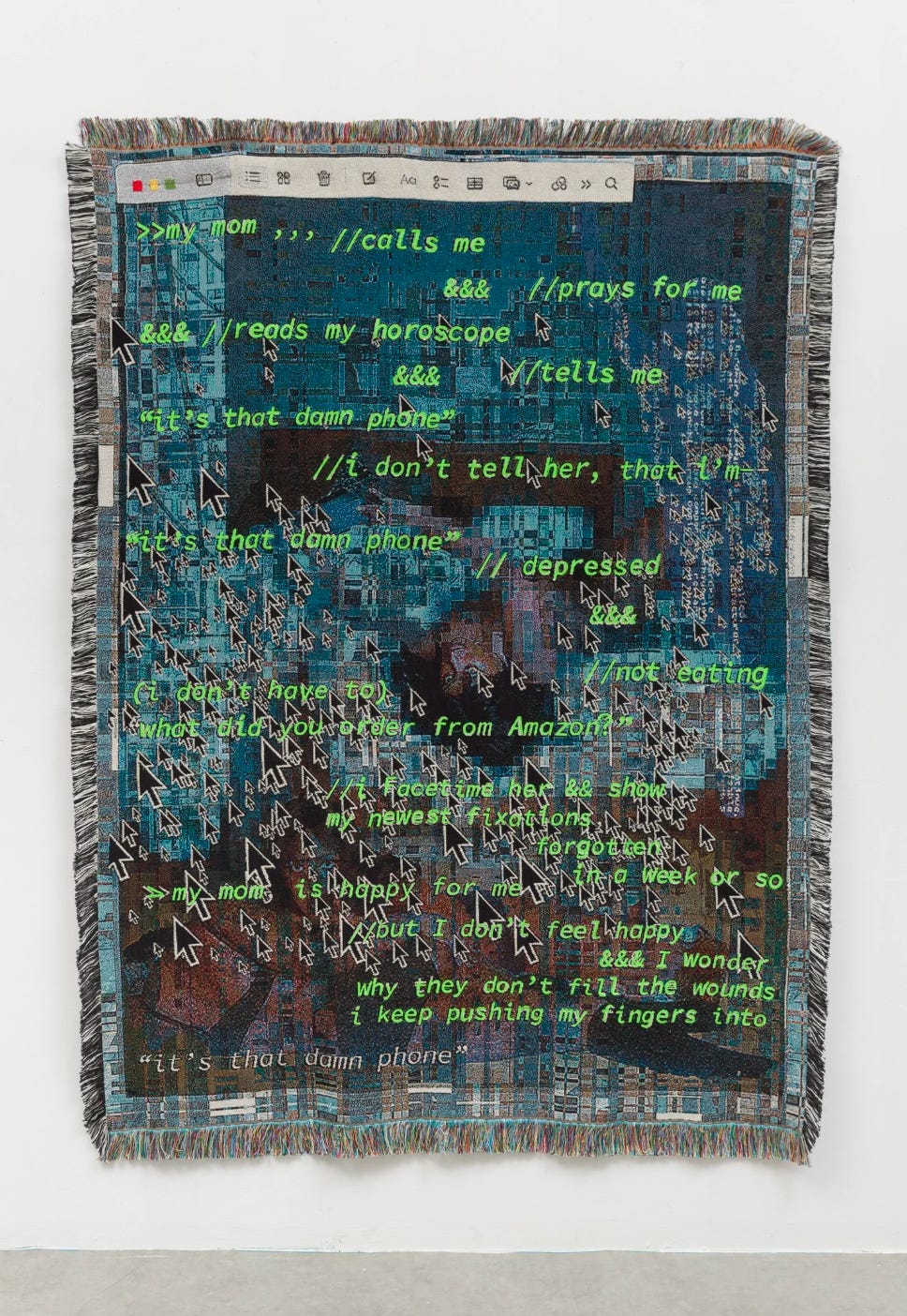
A Crab bucket.
Extractive of the parts of me
that want to escape.
and even the parts of me
I hide.
And I don’t want that anymore.
I like the sun on my face.
Even on the darkest days,
from where I’m standing,
I can see there’s somewhere else
where I can see the light.
But when you’re there,
it can be hard.
So maybe knowing it exists
is enough next time.
Maybe that will get me through it.
Rain drips.
Clouds form.
Cars beep at each other.
A cyclist cuts through the puddle,
a gentle spray against my leg,
and I remember:
I’m still part of the city.
Sometimes,
stood on the apartment balcony,
looking down,
sometimes,
surviving on the forest floor,
looking up.
I see what’s left of the stars
before they disappear behind our lights,
and I remember
I’ve seen them clearly before.
So no matter
how deeply I root myself
amongst the concrete,
no matter how far
I bury myself here
under the canopy of urban life,
they still exist.
And even when
the darkness comes
to take me for good,
I’ll remember.
Perceptual Range
Perception and consciousness are linked.
Our ability to understand there is more than what we perceive and experience determines how conscious we are of what could be, and what we don’t know.
Our minds are reactive.
Without seeing something, or experiencing it, we struggle to judge it.
To understand it.
To integrate it.
Sometimes we can’t even want it.
Even if it’s the one thing we need in our life.
But understanding that our choices regarding perception are, to some extent, controlled by the environment we live in is the first step in understanding how limited our perception is.
It’s also the first step in realising how much of “me” is simply the room I’m in.
The time we spend.
The environments we inhabit.
The routines within them.
All of it defines the limits of our perception.
And our minds naturally try to narrow those limits, because narrowing them helps us build a more reliable model of safety.
A tighter map.
Fewer unknowns.
That isn’t evil.
It’s efficient.
It’s how an animal survives.
It’s also how a person becomes predictable.
The world is currently looking at war. A place where the value of perception and its limitations becomes unavoidable compared to our protected lives within peace.
Within war, those who see first gain an advantage.
Cameras.
Drones.
Satellites.
Night vision.
Intercepted radio transmissions.
That’s the perceptual battle made visible through technology.
And in a game of life and death, the investments and their value are obvious.
But for the most part,we play a more nuanced game.
We play it inside a capitalist construct.
Creating value and extracting our cut relies on the same tenets.
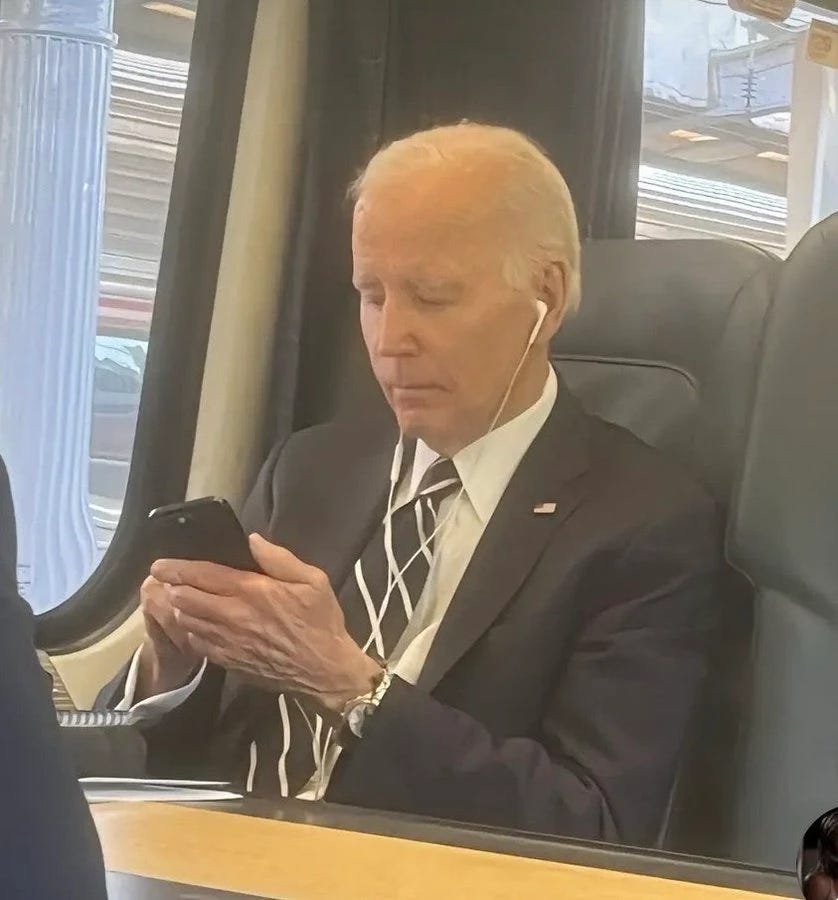
Our phones.
The feeds and algorithms.
The information we can access.
The conversations we choose not to engage in.
Our colleagues.
Even the route we take to work every day.
All of it defines the same space.
It shapes us because the channels that reach us carry the fingerprints of the people who built them.
And those channels reward the builder’s incentives.
This isn’t me saying they are negative or positive in any moral sense.
Some of those channels feed and clothe us for a fair transaction.
Some of them genuinely help us.
Some of them entertain us.
Some of them keep us connected.
The point is simpler than blame.
Our engagement with them is a choice.
Understanding that choice, and the effects of it, helps us redefine how much perceptual range we need for freedom.
And how limited our range is, without even knowing.
Perceptual range is freedom because range is what lets you notice options before they are offered to you.
It’s a map.
And once you see the map, you can see where you are.
and where you want to go next.
Guesswork
Our brains are reactive.
They favour decision-making that is quick.
They treat threats as problems to solve.
They aim for a safer future using information we’ve had previously.
When information reaches us, our brains process it fast.
What is it?
What happened?
How does it affect me?
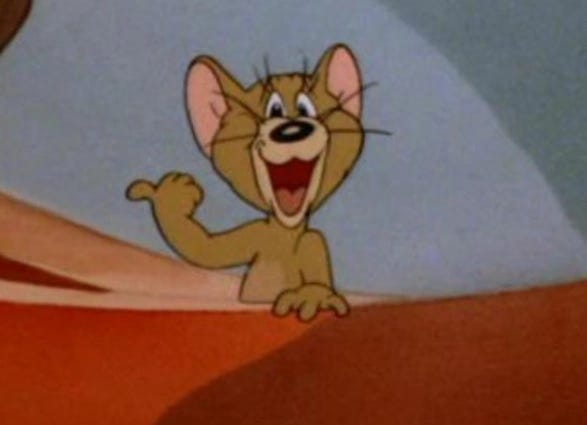
The meaning we create can feel like truth.
But it’s often a guess.
A guess built from the algorithm of our lives so far.
It sounds fragile.
But it’s powerful.
Because if meaning is something we build,
it can also be something we rebuild.
Here is where we are suggestible.
The most persuasive arguments don’t succeed through lies.
They win through mimicry and camouflage.
They resemble something we would accept, while carrying something we wouldn’t.
They rely on mood.
They lean on obvious truths.
Using them as cover.
They smuggle in what would fail on its own.
It’s not new.
Control has always worked in this way.
Power is gentle.
By its nature
it is implied.
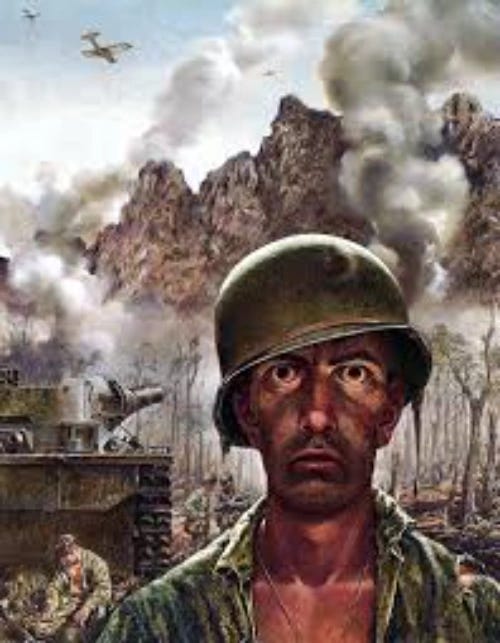
Thoughts arrive with pressure attached, and we start to believe we must act in order to stay safe.
And when we take the leap ourselves, on behalf of the idea presented to us, we begin to internalise that idea as truth.
Because we feel like we discovered it.
Our brains fill in blanks.
They predict.
They complete patterns.
Those little jumps forward are obvious to anyone who has learned how to create the gaps we like to jump.
So our understanding of the world, and who we are, is shaped by the spaces we inhabit and the information available inside them.
That doesn’t just inform us.
It makes us more legible.
More predictable.
More repeatable.
Easier to anticipate.
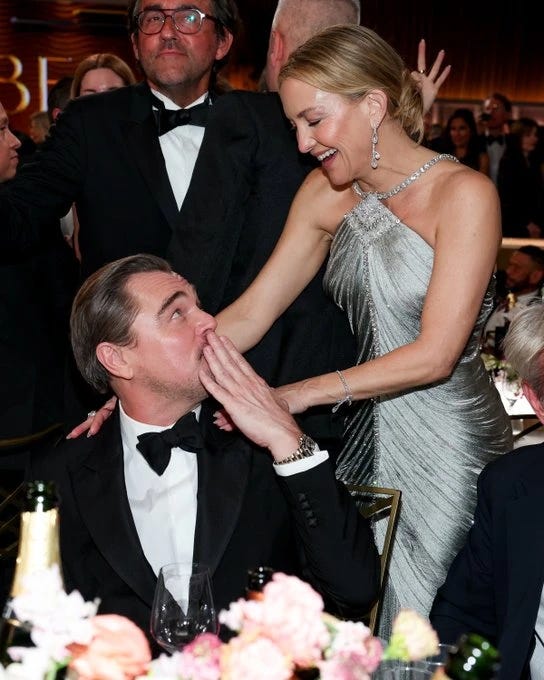
But that legibility goes both ways.
If you can be shaped,
you can shape yourself.
If you can be trained,
you can retrain.
Sometimes we don’t need certainty.
We need range.
We need to remember that we’re allowed to be wrong on the way to seeing.
The Deal
Our perception naturally turns into actions.
We receive information, opportunities, ideas.
And we decide how much to invest in them.
Who do we text back straight away.
Who should we trust.
What’s to be avoided.
What’s to be chased.
And ultimately, what we believe we deserve.
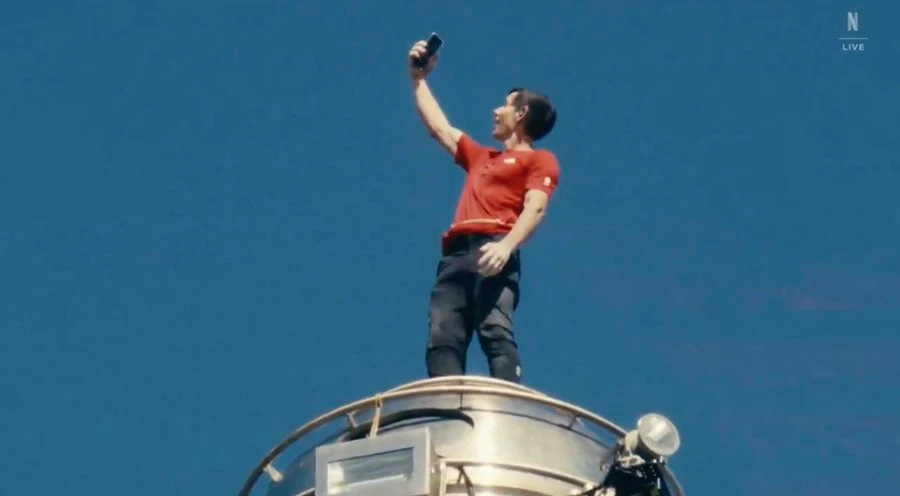
The world we inhabit knows this.
And it will always favour repeat customers.
The ones that help it grow.
It’s not personal.
It’s how we stay alive.
But it knows how to get you to repeat.
To share.
How to get you to train yourself,
so that what it wants you to do becomes automatic.
Alarm clocks.
Regularity.
Repeated use.
Repetition is how skills are built too.
Repetition is how art gets finished.
Repetition is how you become fluent in anything.
So the question isn’t whether repetition exists.
The question is who’s controlling it.
And you and I are no different.
A consistent pay cheque.
A reliable source of income.
Revenue streams that help us go from where we are to where we want to be.
They’re not bad things.
It’s just that our relationship to them can sometimes make us into something we didn’t intend to become.
Understanding what has the ability to get into our head’s over time, how our brains reacts to it, and what it makes us do, is at the core of using perception to improve sovereignty.
We all have to engage in things that remove some sovereignty, because that is the nature of trade.
I notice within the art world there is sometimes a desire to fight against the capitalist system.
It’s not something I favour.
I don’t know if there is a better system, and it’s currently outside the scope of what I can see to find it.
But I do know this.
How we participate within any system defines our experience more than whatever that system is called.
Because each system is defined by the sum of its parts.
And if the sum of its parts understands that it’s operating in a way that isn’t benefiting it, and takes action based on that, instead of taking the bad deal, then the system will change.
Because no matter how far we go along this path of sophistication, away from our primal instincts as animals, we can’t forget that that’s what we are.
And the primal urges to fight and take will always be there.
And without the ones that have the strongest of these urges, understanding that a coherent system is better for them, they will keep choosing the shortest path.
And if you count yourself within them, enjoy.
And if you don’t, then your advantage is clarity.
See the system from their eyes.
Clearly enough that their moves don’t catch you asleep.
The system doesn’t need to change first.
Our interaction with it does.
And it’s everyone’s prerogative to change the system to the one that they see fit, from their own perspective first.
This is what freedom looks like.
It doesn’t have to be a full escape.
Just a widening in the canopy,
and enough air to breathe.
Poet’s Corner
frozen like silence
standing on top of the earth
stinging in the cheek

the blue of the sky
is the blue of the water
the blue of the whale

where there is water
it is the blue of the sky
the butterfly blue

over and beneath
an eternity of snow
boots in man-made moulds

above the hidden
blossom of frozen life
a warm alien

i am of summer
i am of California
i am of the fire

silence is broken
the burning sun bulldozing
at facades of ice

a loud crack in the distance
crumbling into the water

- Josh Mikawa
Final Words
Agency and perception are inherently linked
Often a greater perception
leads to an understanding of the limitations of our freedom
before we learn how to grow into the spaces we learn about
but the growth can’t come
without knowing where there is space
and that only comes from seeing further afield
Love you loads
- R x