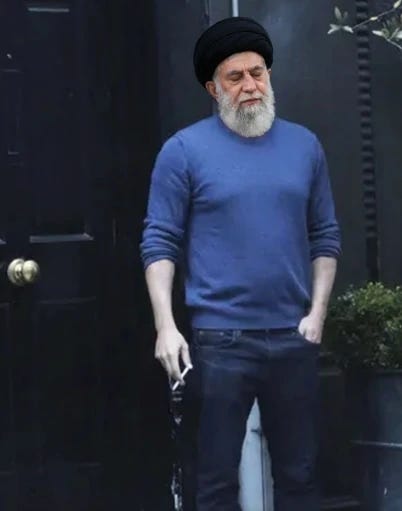
Most people don’t realise what we’re doing.
They haven’t seen what it’s like up here.
Most of you don’t.
But I’ve been watching you my whole life.
You see,
I’m consistent.
I wake up at the same time every day,
and I see the same doors open,
and the same people
going into the same metal boxes.
Same bags outside.
Same people in the park.
Sometimes you swap places.
New faces in the same places,
but doing the same thing.
I’ve been flying these streets since I was little.
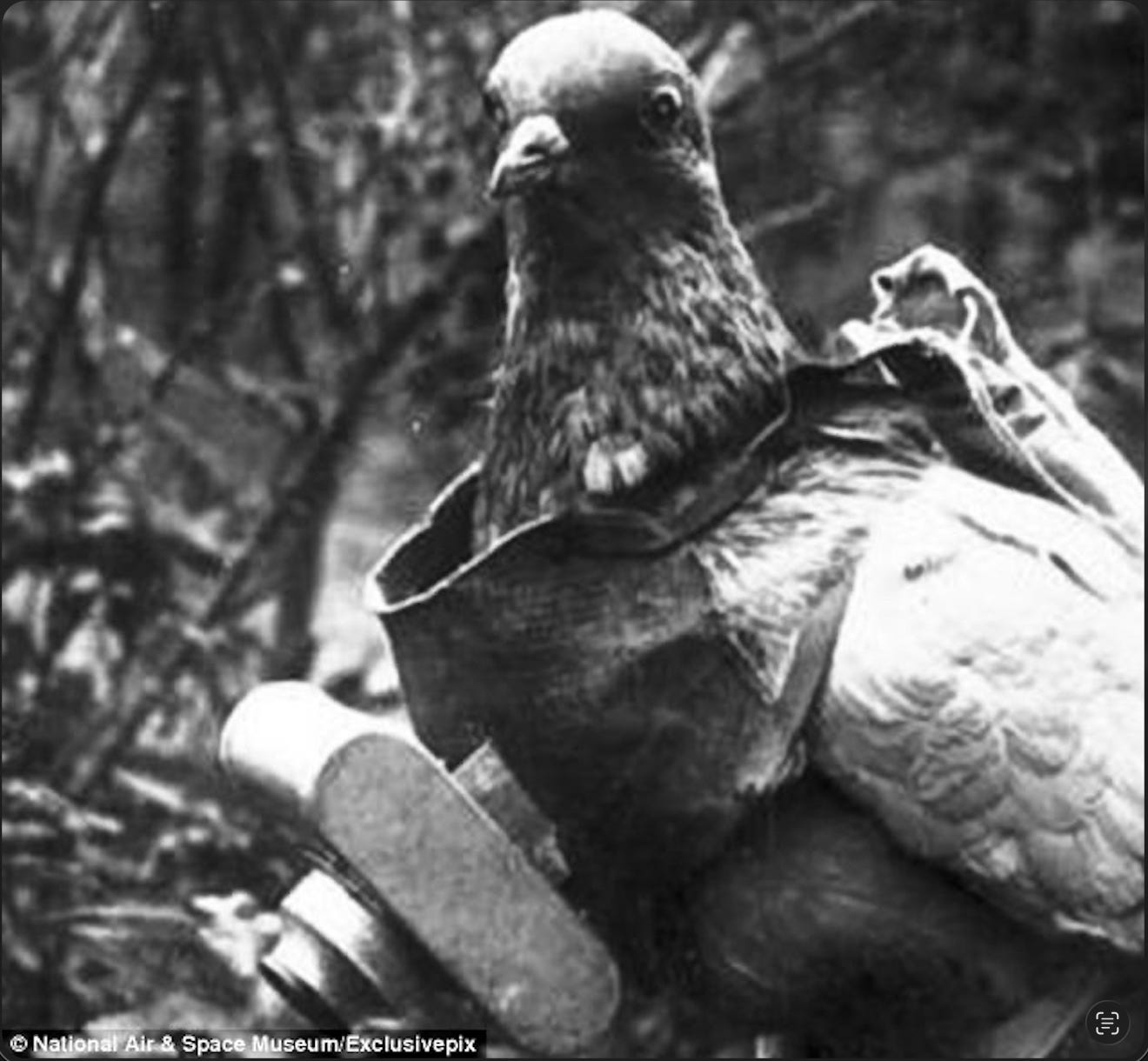
You start small.
The flock helps you out.
They show you the ropes.
Where the wind catches.
Where the drops happen.
Where you need to avoid.
Eventually,
you get to know all of it.
Look behind the doors
the ground dwellers hide behind.
Find your own little patch here.
The “urban jungle”,
they call it on the ground.
But they’re ground dwellers.
It’s part of the city.
The part that’s good for worms.
Good for snacks.
Not a place you want to live.
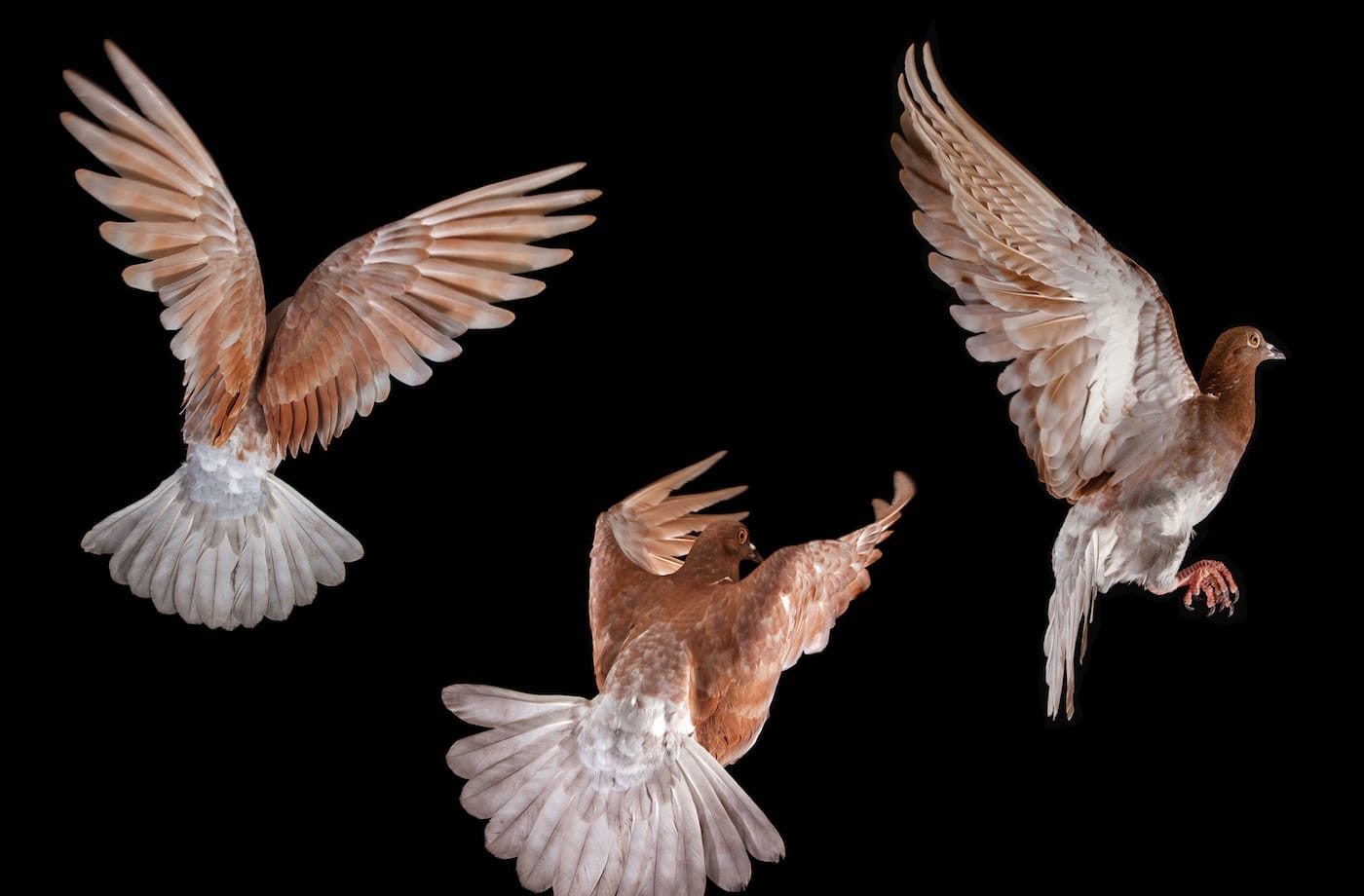
I spend most of my time up here,
on the cliffs.
The people.
They never see that.
They don’t have the eyes.
They don’t have the space.
Must be hard,
being so bulky.
Being stuck down there.
Always opening and closing doors.
You know some of them
don’t even have food on the other side..
I come down.
We all do.
You see,
I was fortunate.
You might not think that,
looking at my leg.
I lost that a few years back.
A bad day.
But up here,
it doesn’t slow me down.
You can’t let that stuff slow you down.
I grew up in a good neighbourhood.
Good flock
Good people.
Food daily.
We have our own feeders.
Everyone knows them.
Of all the ground dwellers,
They’re my favourite.
Obvious, really.
But they’re not all the same.
You can tell the good ones.
Consistent.
That’s what we like.
I’ve never been out of the city to see the real cliffs.
The older ones tell me about them.
They say there’s more to it.
But I like it here.
Apart from the people.
They look at you funny.
When you’re above them,
it’s like you don’t exist.
But when they’re sat in your park,
it’s like they can’t take their eyes off you.
I get it.
We have beauty.
We have colour.
Apart from that though,
we’re basically the same.
We’re both
just trying to get enough food
for the day,
and get to bed on time.
Sure,
when the park is busy,
I check to see if there are feeders in the mood for sharing,
just like everyone.
But it’s not what I want to do.
I’d rather be up here.
For us airborne folk,
there’s a bit of a game we have to play.
You have to go with the flow.
Sometimes it’s worth it.
Sometimes it’s not.
But it’s not worth losing the flock.
The park is one of those places.
It’s never the best stuff.
And whenever you find something,
everyone is there to take it from you.
But there’s something nice
about doing things with everyone else.
Sundays we get the feeders.
I see my favourite every week.
It’s not premium stuff
But it’s reliable
Just have to get there on time
and put in the work
Not sure she recognises me,
but I’m always there on time.
I remember my first time.
I didn’t get anything.
But you learn the rules.
The flock lets you have a piece
if you play by the rules.
And if you watch her door,
you can get ahead of them.
Some of them wait in the park.
But I know better now.
They’ll get tired,
chasing the part-timers.
Scraps on benches.
Better to stay hungry and wait for her.
Better to be ready.
Better to be strong for the battle.
There’s always enough,
but sometimes it’s hard to get,
especially if you’re tired.
I’ve looked at other parks.
Sunday is good everywhere.
People come out late,
and they love to share on Sundays.
I know how the feeders work.
You see,
the trick is not committing too early.
Being first is a mistake.
The flock hates you for it.
And sometimes it’s not worth the hate.
The sweet spot is that second drop.
That’s when you know it’s real
As soon as you see them
reach in the bag again,
That’s how you get ahead of the flock.
Always make sure it’s real.
Let the young and new ones test it out.
Let them get tired
or sick.
People can be monsters.
They fake it a lot.
Better not to be a victim of them.
Your normal feeders are safe.
But the new ones,
that’s where you need to be smart.
I’ve been around enough to know what I like.
I’ve got a great groove now.
I’m starting to figure out
how to always have enough to survive.
Some weeks,
I even get more than I need.
And there’s enough of us here that I know I can find a pair.
That would be nice.
I’ll show them all my spots.
Maybe they know a feeder we can see on a Saturday.
I’d like that.
I’ve heard of this park where they have feeders every day.
I want to find it.
But I’m so busy right now,
I can never get there.
Everyone talks about it.
But you see,
I’m different to the rest.
I’ve got a plan.
I just need the right partner to do it.
I tried doing it alone,
But the flock is tough when you leave.
Miss a Sunday,
Everyone wants to know where you’ve been
What you’re hiding from them
and all of a sudden
That feeder is a little harder to get to.
The flock always plays nasty
when you try to do something new.
But if I had someone with me,
We could do it together.
But until then,
Better not to miss a Sunday.
right?
Placebo Delinquent?
“The affordances of the environment are what it offers the animal…”
JJ Gibson
We’re all a product of our environment.
Historically.
Perpetually.
We respond to it.
We react to it.
We become it.
The chief human delusion is thinking
we are not one with nature,
or the space around us.
Our ego separates us.
Our schedules build comfort,
and our doors convince us we are safe.
But if the house is on fire,
we always get cooked.
A delinquent is supposed to break the rules.
Rebel.
Take charge.
But the world we live in provides a safe space to perform the action.
A stage for transgression that changes nothing.
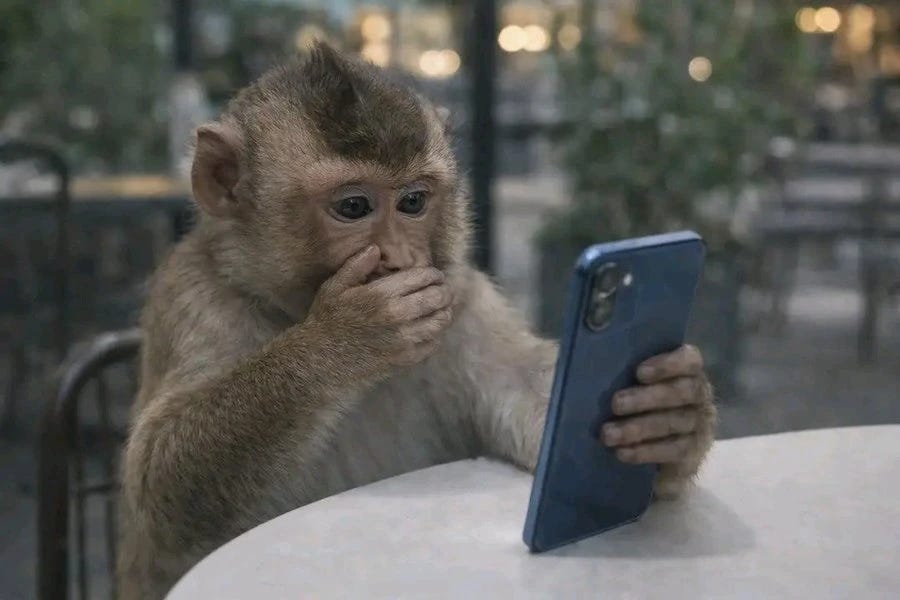
We douse ourselves in rebellion like perfume,
then walk the same halls,
scroll the same feeds,
repeat the same routines,
convinced we’ve achieved agency.
That’s placebo delinquency.
The aesthetic of refusal,
inside a habitat that rewards obedience.
The modern world is non-consensual.
It trains us through friction and ease.
Rewards certain moves.
Punishes others.
It makes some lives feel effortless,
and others feel impossible,
then builds a stage that tells both groups it was them all along.
Be who we want, they say.
As if the room isn’t already writing the script.
J. J. Gibson, an American perceptual psychologist used the word affordances for this.
He states that an environment is defined by what it lets a body do.
By what it offers us.
What it lets us do without pain.
What it makes expensive in energy, status, money, time.
Affordances create the menu of possible moves on the chessboard we live on.
Incentives decide which moves we repeat.
Together, they decide what feels realistic,
what feels insane,
and what we end up calling “me.”
A predefined schedule is an affordance.
So is a door.
So is a notification.
So is the judgement that arrives when we turn up to dinner in the wrong shoes.
The feeling we get from all of it is not truth.
It is conditioning rendered as instinct.
Helmholtz the pioneer of sensory physiology was one of the first to define the mechanism.
We do not experience the world.
We infer it.
Unconsciously.
We use yesterday’s data to understand what will happen next.
Never quite in the present.
The unconscious mind optimises for certainty.
It predicts what will happen next,
and it predicts what we should do about it.
So we stay with the flock.
So we stay inside the loop.
So we stay “safe,”
even when it is slowly cooking us.
If we want to optimise for ourselves,
we have to place focused bets.
Beyond known outcomes.
On seeing more.
On new evidence.
Marr, a British neuroscientist, said we can only change perception when we know what part of the machine we’re messing with.
He split perception into three layers.
The aim: What are we trying to do right now.
Stay safe.
Get loved.
Win.
Avoid shame.
The lens: What categories are we using to read the world.
Threat.
Opportunity.
Authority.
Shame.
Desire.
The habit: What steps do we run on autopilot.
What we notice.
What we ignore.
What we chase.
What we avoid.
If we can’t name the layer,
we can’t change the pattern.
Friston, another British neuroscientist worked on a way to connect everything up
He saw Perception and action as the same engine.
The information flows like this:
Our brain predicts, and our senses report a mismatch.
And we reduce mismatch in two ways.
a) Either we update our model of the world.
Or b) we move our body to sample evidence that makes our model feel true.
And we love b)
This is how we get stuck.
our minds love a prediction that keeps recruiting proof.
We hate to be wrong.
So we cook the books and pretend we’re safe.
Our minds naturally build models of reality that seek the same evidence,
then, call that evidence “who I am.”
But being wrong, and seeing it,
is where we improve.
At the cost of “who we are”

Social technology does not need to convince us.
It only needs to become our environment.
It designs affordances at scale.
It allocates friction and ease.
It tightens the loop so our inferences update in its direction.
AI and social media build caves faster than we can learn how to leave them.
They decide what we see,
and how often we see it,
and what we are punished for noticing.
Echo chambers are not a failure of intelligence.
They are an optimised habitat for a mind that does not want to fail.
Social platforms do not want us free.
They want us coherent, readable, repeatable.
A profile that can be sold.
A pattern that can be triggered.
A self that can be steered.
It’s not personal.
It’s a business model and a nervous system.
The flock does not like transgression.
If we’re right, they were wrong.
If we’re wrong, we destabilised the group.
A consistent flock.
That’s the aim.
So the only rebellion worth having is perceptual.
A wider vision.
A distant horizon.
A broad perspective.
Learning the rules of the environments around us stops us mistaking them for fate.
Building the capacity to notice what we are being trained to ignore
breaks the loop that keeps returning us to the same evidence that got us here.
See clearly, see affordances.
See affordances, change the room.
Change the room, update the model.
Update the model, change what we become.
Change what we become, see clearly.
Placebo delinquency ends the moment we stop performing rebellion inside a designed habitat,
and start finding ways to change the room around us.
And the only way to do that
is by understanding what is happening
in the places we can never see.
Attention… is the taking possession by the mind… of one out of what seem several simultaneously possible objects…”
William James
Drill
I love meditation
For me, it’s the best perception hack.
I also love physically cracking myself to improve.
There’s something about drilling practice to improve that I've always been obsessed with.
I remember needing to work on my pistol work for a course in the military
and the feeling of going to the range
owning a lane for the day
and putting 2000 rounds of 9mm through the Glock
until my bad habits fell away.
Drills work.
So I’ve started making my own drills to improve.
Here’s my game for this week:
Pick one item for the week. (something easy to get to daily)
Look at it daily.
Close your eyes.
Hold it in your head for 3 minutes.
Improve detail, exclude noise.
“Attention is the rarest and purest form of generosity.”
Simone Weil
Final Words
Last week of perception and my last week in my current studio
new environment
new eyes
change is good
Nothing but love
- r x