


The sun has just set and it is Remembrance Sunday.
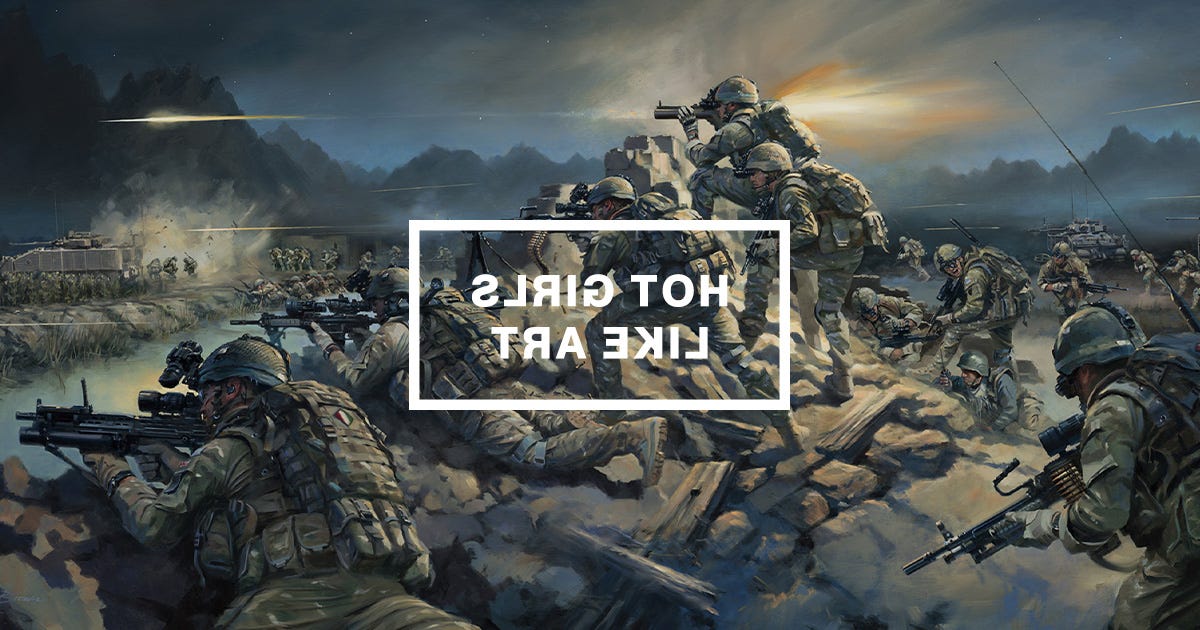
I joined the Army when I was sixteen. I had wanted to do something creative: dance, art, architecture, adventure, but couldn’t a way to do it sustainably while getting myself out of the city I was in. I was a math geek at school, and my teachers had wanted me to do something technical so that the weird kid they thought might mess it all up, didn’t.
When I was fifteen, a group of boys from outside our school walked into our playground and took the cricket bats off the younger kids, announcing they were terrorists taking over. They weren’t. But the experience stuck in my mind.
At a careers event that year, my teachers introduced me to an investment banker from London, he quickly told me how important his job was by sharing how much he’d made in the last year and made sure I saw the Rolex Submariner he’d bought with the bonus.
In the next room I met a soldier who, like me, had no desire to be at a careers event. I pestered him for a story and asked him why he was here instead of doing Army things, he had just come back from Afghanistan. He and his best friend had been blown up by an IED and he had pulled them both out the vehicle and into safety during a firefight. They’d both sustained injuries that ended their tour, but nothing that had caused permanent damage. They were both currently training to row the Atlantic together.
It was easy for me to see which path led to adventure. I thought I’d give it a few years and ended up staying for twelve.
Carrots
The military, like most institutions, has tools for getting, and keeping, people in. It recruits from those with few opportunities and dangles the carrot of some level of success. Perhaps you’ll spend your time running around exotic lands, hunting the worst of people with night-vision goggles down. Or maybe you’ll be showered in praise and held as a local icon. Or simply that you’ll get out of that small town you’re from and have an identity worthy of respect.
Different carrots for different horses.
But once you’re in, the game’s the same. Remove the friction from being inside. Remove the opportunities you can see on the outside. Strangle time. Then narrow each individual into his place within the system.
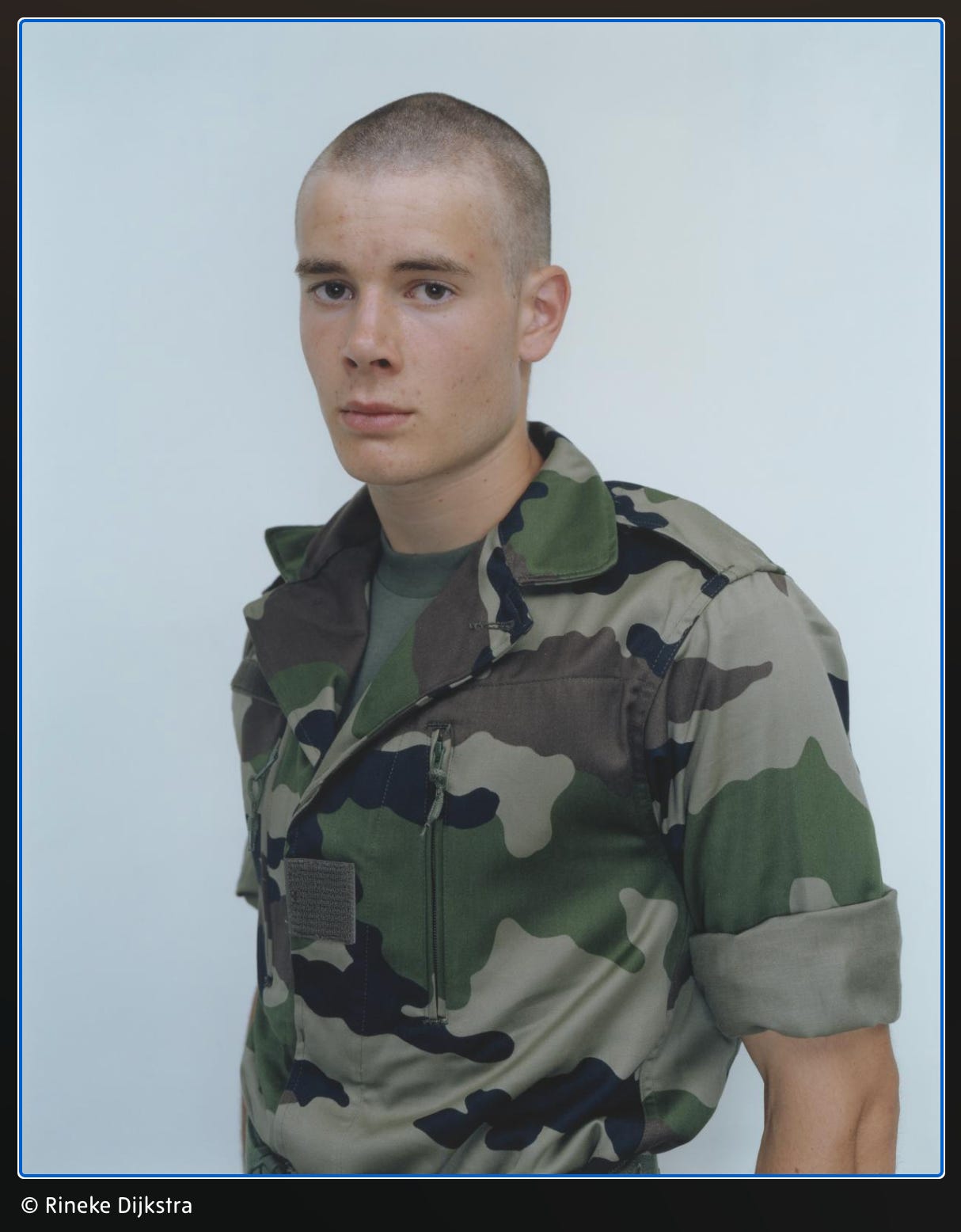
Many industries run the same way, modelling, the art world, corporate life.
Over time, the identity forms around the role. The routine, status and structure of the system eventually become the parts of us we most recognise, and mask whatever issues you once had.
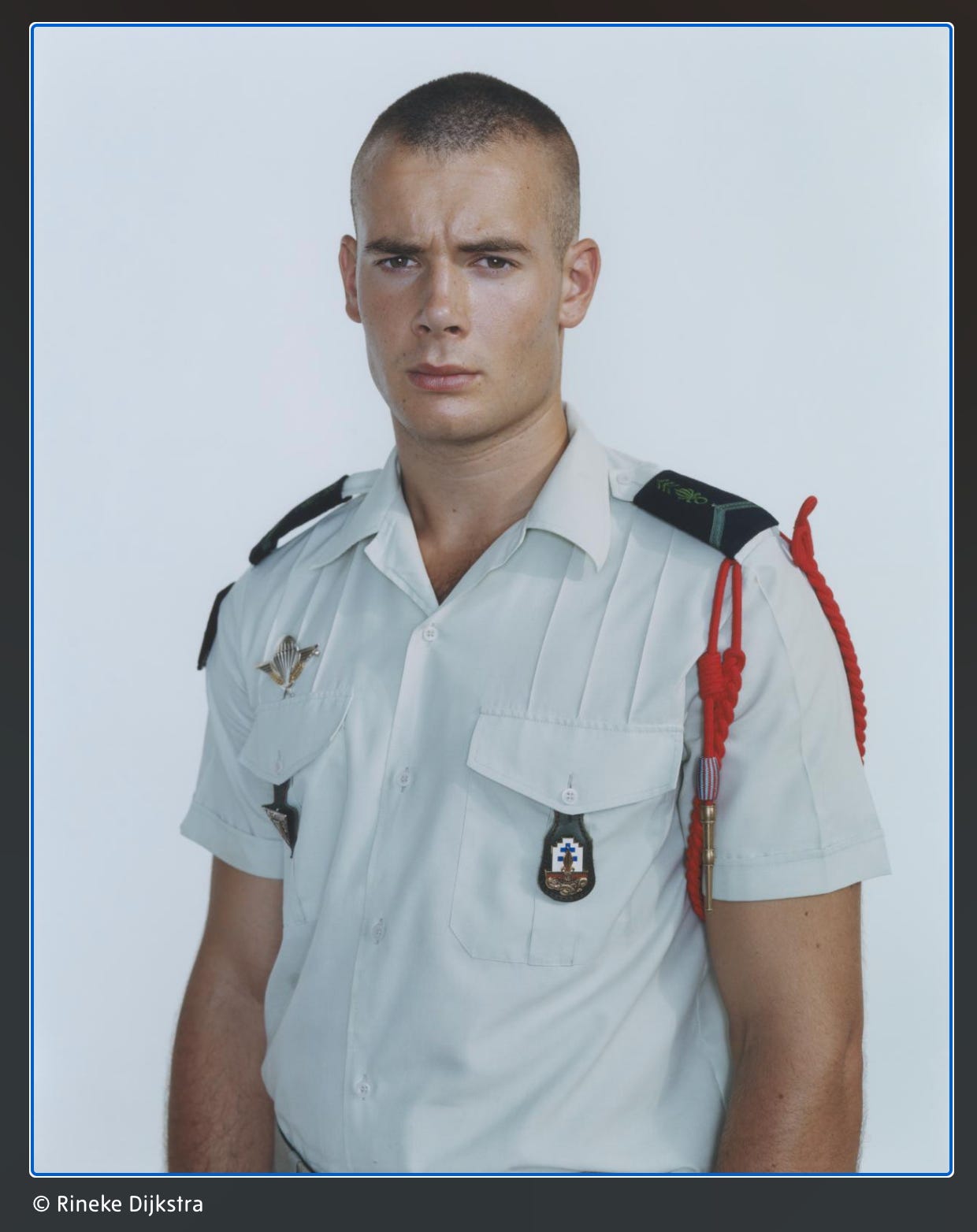
For me the experience was net positive. Growing up, I had an artistic friendship group. Most of them are no longer in that world. In this world. I couldn’t have come back to it and survived as I am without the tools the military gave me.
Bad
From a place of relative safety, it’s easy to point out that war is bad. We can see its effects in Eastern Europe. But when you’re in it, it’s much better to be winning than losing.
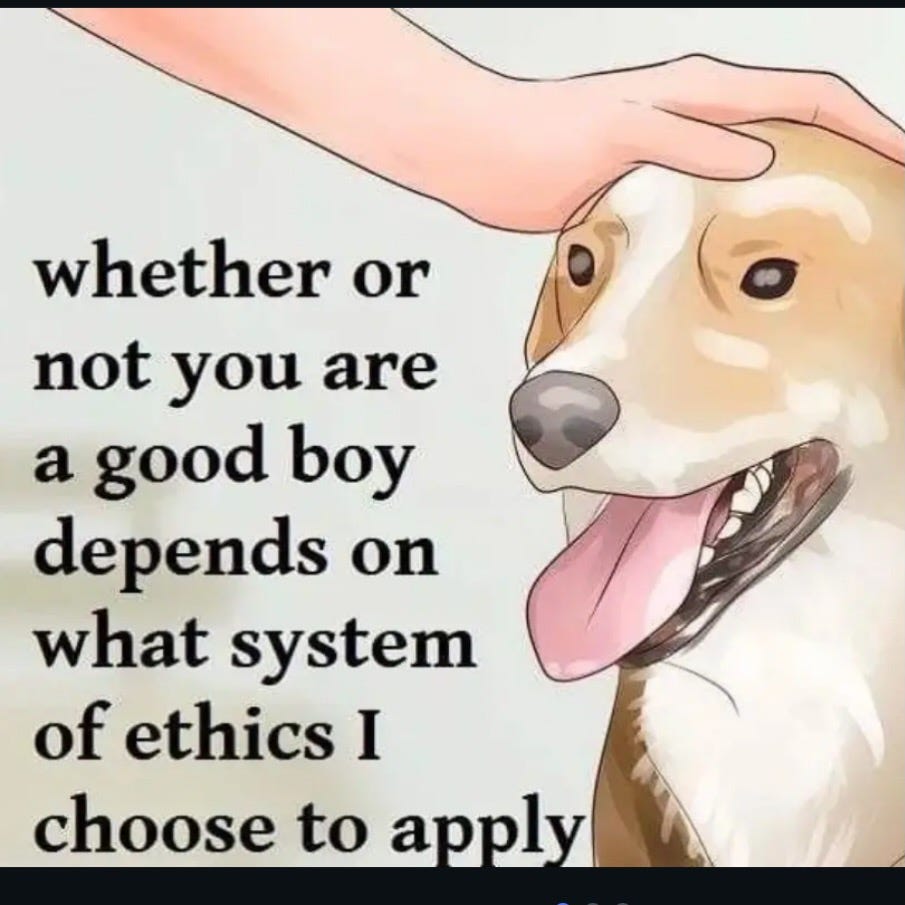
The situation is objectively bad, and the only way out is through it, together, without dying. That builds a connection the conventional world can’t replicate.
In some circles of the art world there’s a disdain for people associated with war in any capacity. It’s an easy position to hold when you’re never going to have to face it. Wars are fought by people with the fewest options.
As I navigate the art world, which is tight on time, high on friendliness and low on commitment, I sometimes imagine the people I meet have the same level of care as those I served with. They rarely do.
Last year, I met the team behind Como Football Club. A club that is competing for support with two of the largest international brands in football. Their fanbase is territorial and insitutionalised over generations. When we talked about how they were building an identity around the club, they explained it like a military operation.
“How do you get everyone to believe in what you’re doing and switch to your side?”
“Hearts and minds.”
You give them an identity. You give them purchase. You give them a chance to say what they’ve always wanted to say. Better still, you say it for them and let them echo it down the street, wearing your flag and flying your colours.
Leaving
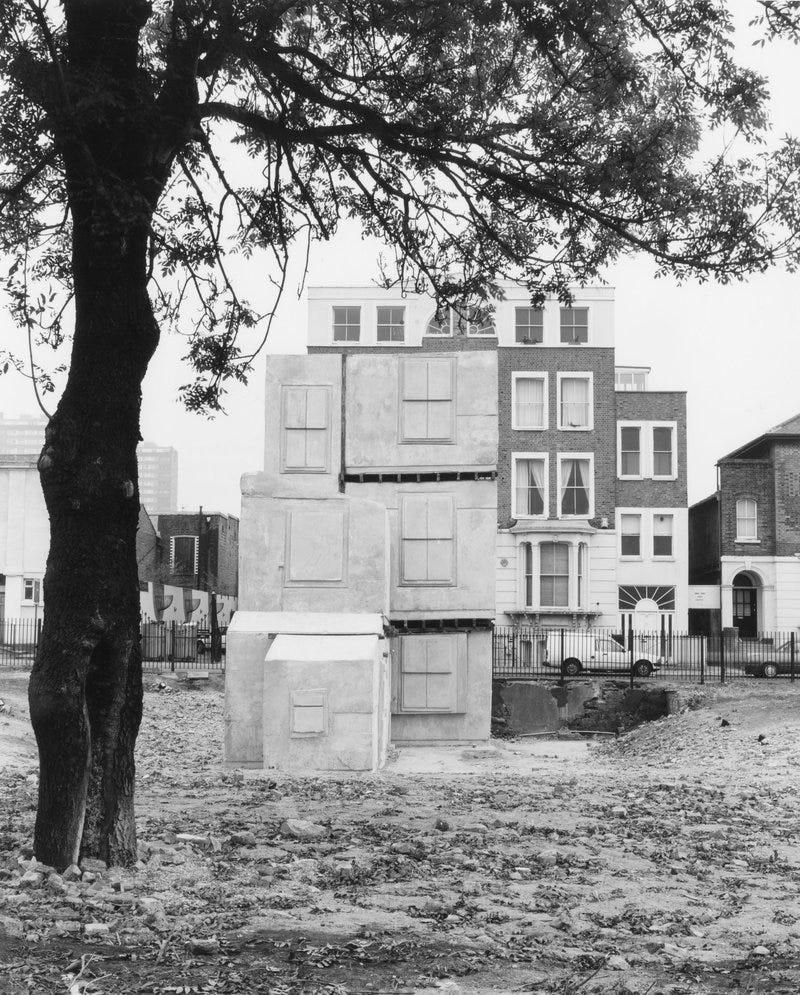
Leaving is a difficult thing, not least for those who join at an early age or spend a little too much time on operations. It can mean losing the resources you thought you had, the identity, the community, and finding yourself back where you started.
There are versions of that in every relationship we leave. A job, a city, a friendship group. Each brings out a side of us, and without it we’re left unable to love who we are. Even the ones that did us more harm than good.
I’ve lost three people I served with. One to war. Two to mental health.
On the night I got to that point, I had spent the last six hours with 80% of the people I could call my friends. I was five metres away from the only person who knew what I was going through. My girlfriend, in the next room.
I didn’t call her. I couldn’t call her.
Whatever was in my head wasn’t something I wanted to share. I was lucky that, in that moment when everything went dark, she came into the room.
We spent the next day in my best friend’s car, no one spoke about it, and she cried and threw up out of the window the whole journey. I’m pretty sure he still doesn’t know what happened. But I do, and I’ll never forget it.
My other friends weren’t so fortunate.
It can be easy to say, “Pick up the phone.” But sometimes we can’t.
There’s no panacea for the darkness. But eventually someone or something shows you a glimmer of light, and you can follow it out.
For me, most of the darkness comes from the gap between how I see myself and how I want to be seen. We can look for external validation, for someone in the crowd to tell us we look good, appropriate, correct. But that only hands the collar to another. And eventually that leads back to the same place.
Part of the fixing is having enough structure around you so that you stumble around in the darkness until you’re comfortable in it again. And at best, when you find your way out, you’re still faced with all the normal chaos of human reality.
Parade
I’m not one for parades. I don’t like crowds. Around this time of year, every year, I get close to a meltdown. It’s a relic of a previous identity. A life that still has a say in who I am as a human.
Last year I spent the 10 days leading up to this on a silent retreat picking away at whatever I could find. Today I spent the first half of the day pretending I was still okay. When the winter sun began to set, I knew I had no confront it and finish writing this.
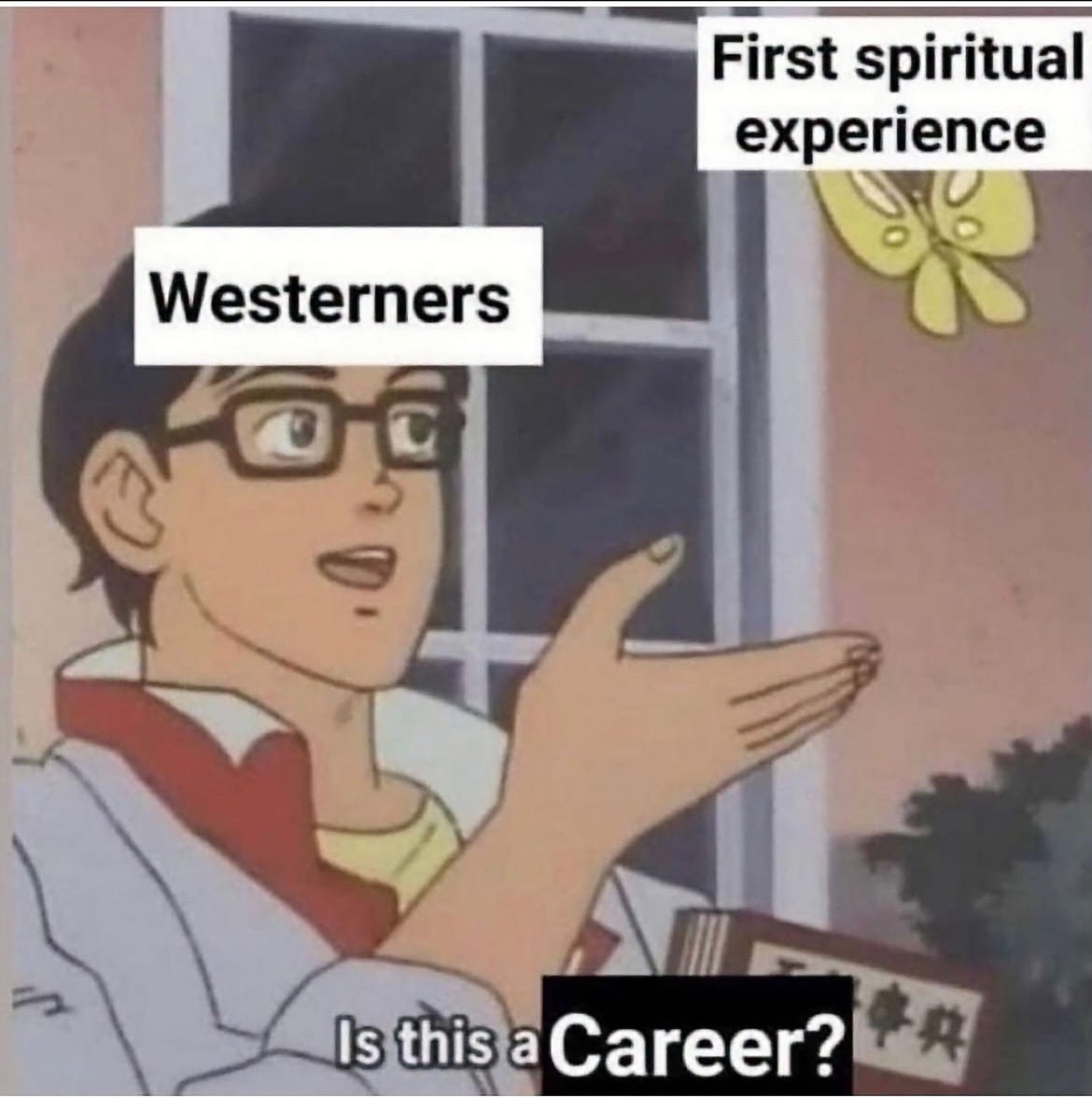
It’s the day I feel most alone. That isn’t to say there isn’t a community waiting for me. There is. I left on good terms and still have great friends that are serving. I’m just not well suited to being part of a collective. And on a day like this, reconciling the new me that is playing this game solo with the costs of the old me that was reliant on the crowd leaves a balance I can’t ignore.
For the last five years I’ve tried to make something during this window, a bridge between what I do now and what I learned there. Art seems to be the only space where I find a route out.
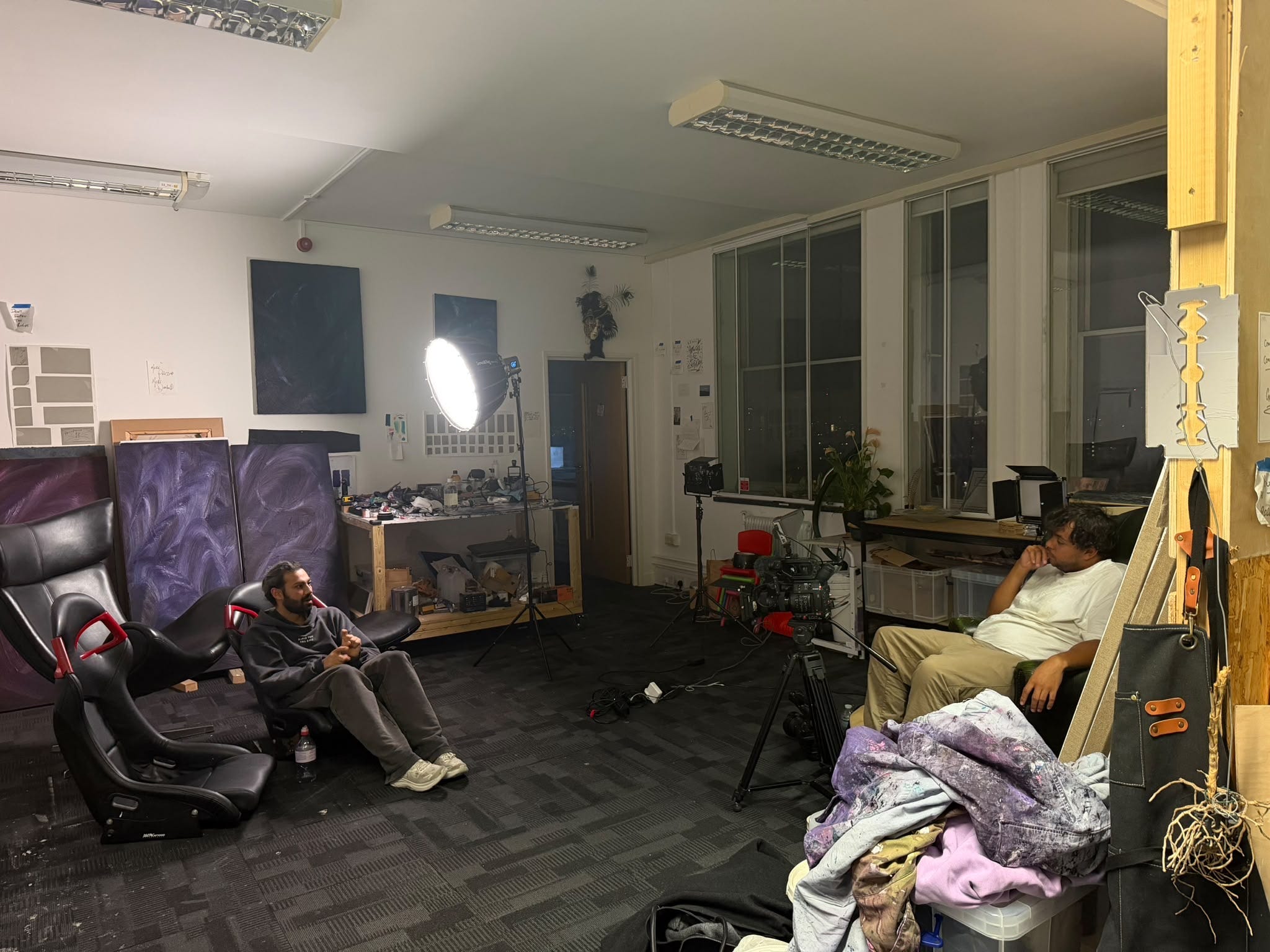
There have always been people making things to keep themselves going. Some of those things have made their way into galleries and museums. Often, we find them when we most need them, and they don’t look like anything we’ve seen before.
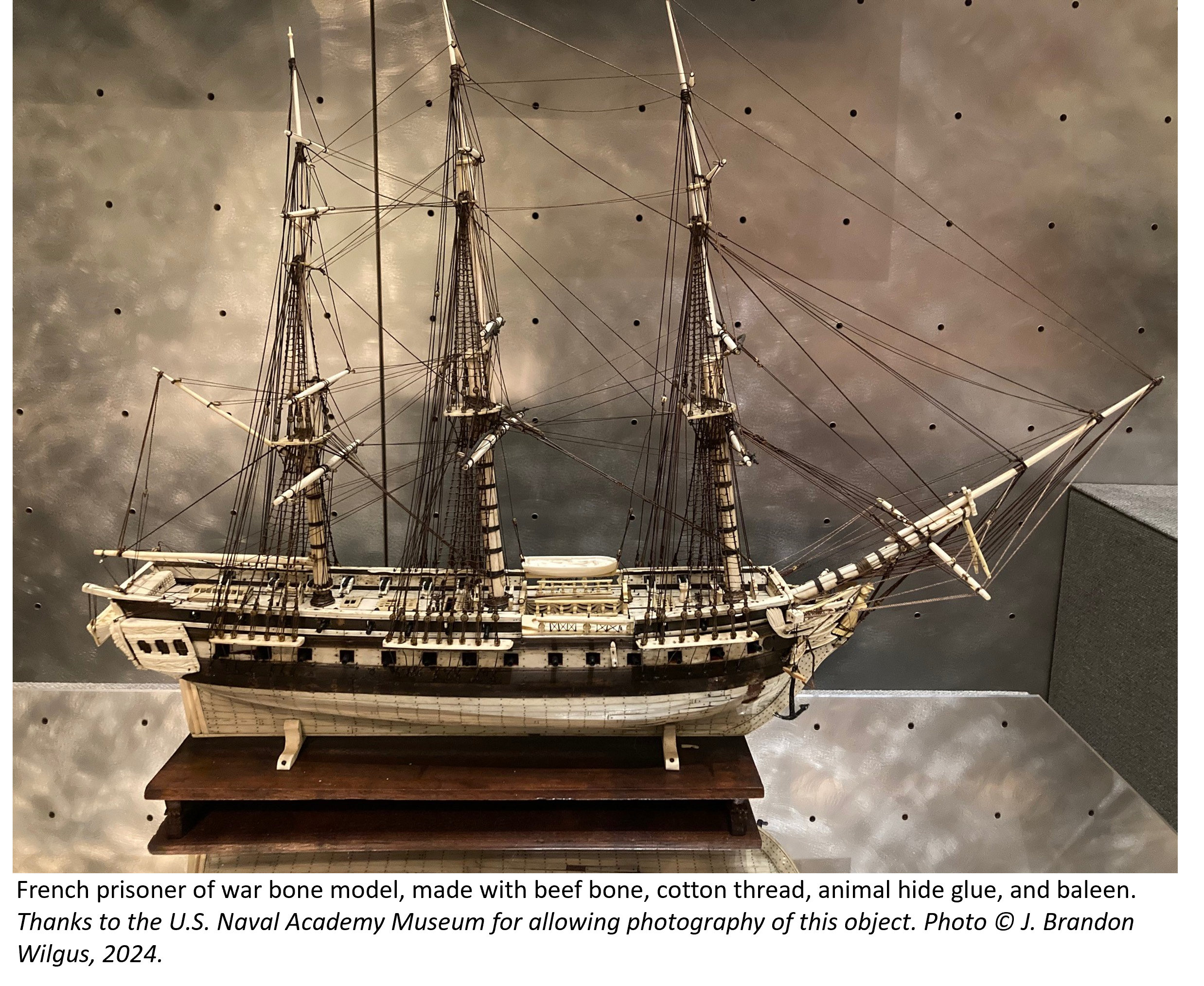
When we’re looking for connection in a world that seems distant, sometimes we need to talk to people in ways that don’t exist.
Lest we forget.
Your obedient servant,
Russ
P.S. This year I took some of my security skills and made something practical, It’s for artists or journalists working undercover without an institution behind them. It shows you what a competent private investigator could find about you or your alias online. If you’re doing this kind of work, it’s yours.
https://www.osint.hotgirlslikeart.com
