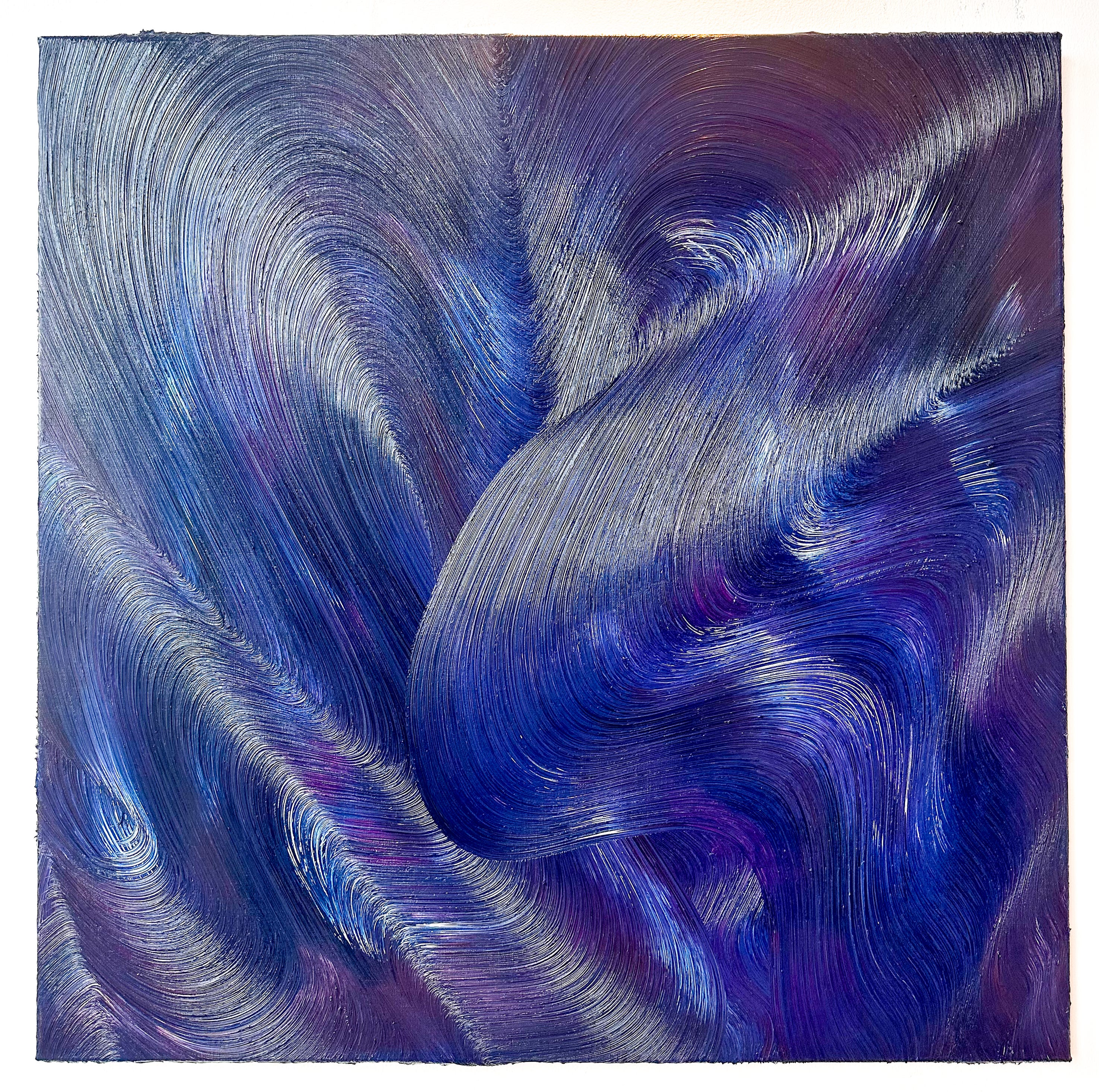
The problem we have is that you and I see the world differently
I’m sure we’re going to find a way to communicate.
We have to if we want to keep talking keep taking up room in one another’s lives
I know that when I say what I see sometimes you can’t see it
maybe you think I’m lying
maybe I am.
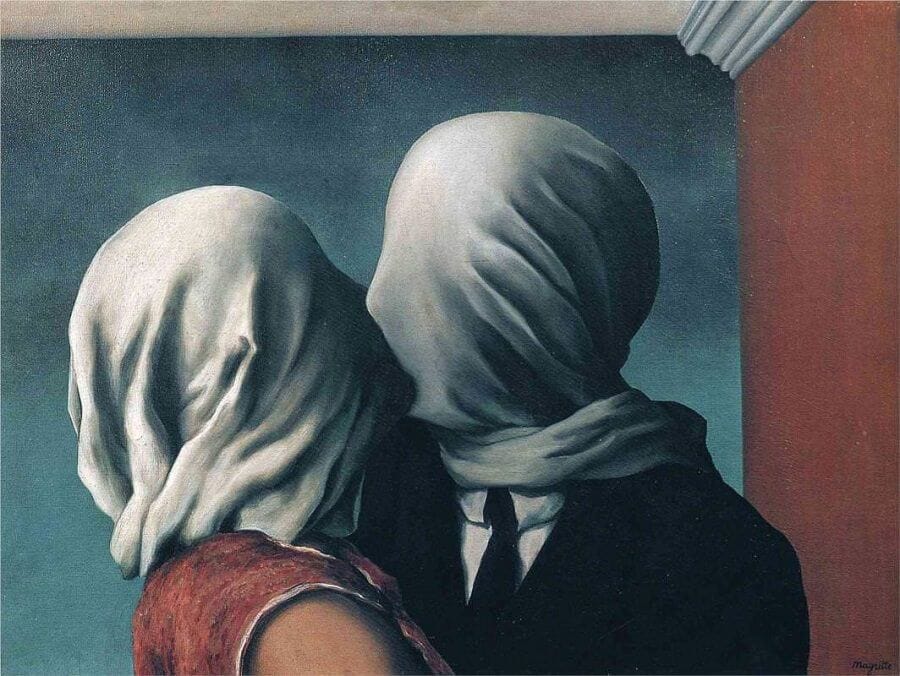
But I’m trying not to
I’m trying to say it exactly as I see it
but sometimes
I don’t have the words
I’m sure the same is true for you
or do I see it right?
Maybe it’s because we come from different places.
They gave you different words to use
you had tablecloths and a driver
I had happy meals and bus tickets.
But we’ve seen the same things
from two very different places
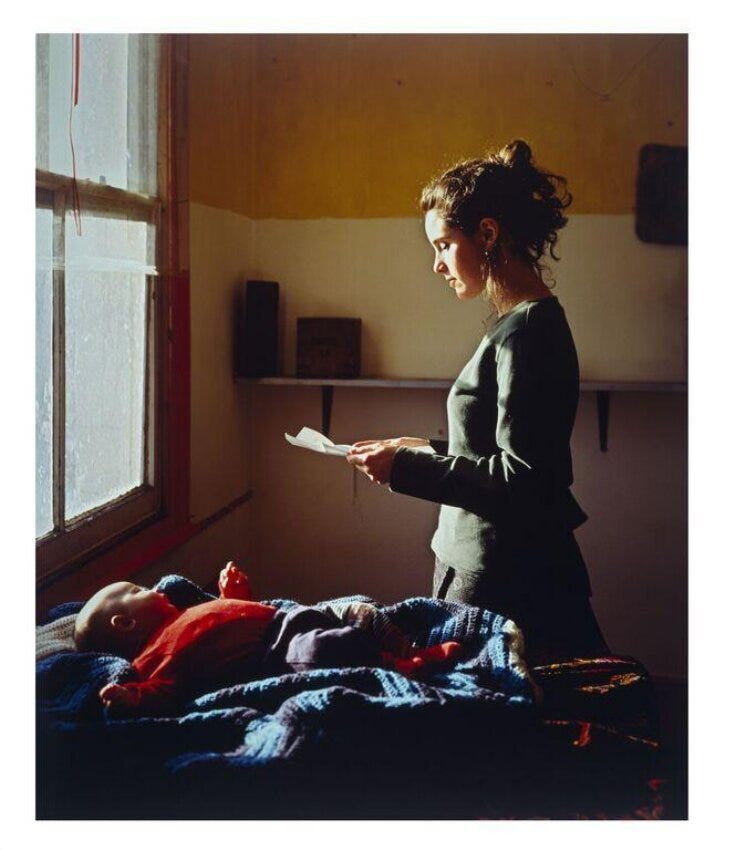
and the most important parts seem to be where we agree
it’s just the other stuff…
and it’s getting in the way.
I know if I learn the right words
you’ll be able to hear what I’m saying
But part of what I’m seeing
can’t be said in the words you have
Or maybe I don’t know them well enough, yet
If I learn them will you listen?
I want to
but will you hear me if I do?
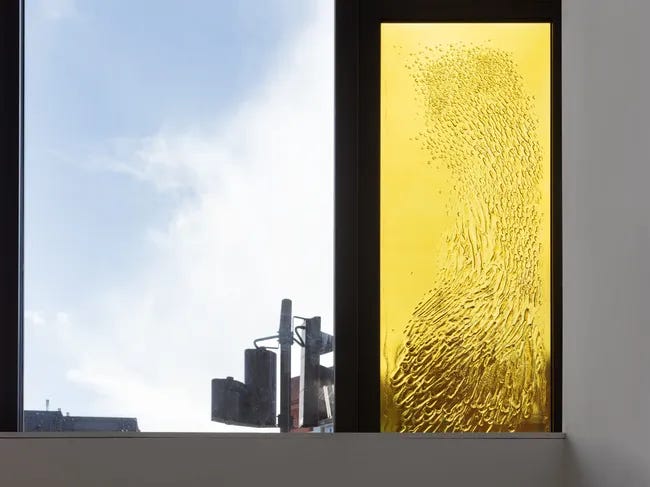
All Art is Abstraction
Welcome to week 1 of Abstraction. Over the next few weeks I’m going to be looking into abstraction as an idea and sharing my notes. I have a hunch it’s going to help me with my current work, and along the way I’ll share what I’ve learned so far.
You’ve probably seen “Abstract Art”, the internet is awash with it, and there’s always someone telling you the CIA sponsored it. None of that is very relevant to its utility, but I’m sure that will be obvious soon.

There are very few cheat codes in life; it is hard to get ahead of the queue of people already close to where you want to go (and it’s highly unlikely those people will tell you otherwise). It is human nature for those that found something difficult to tell you that no other option is possible. It makes them feel justified in their difficulty, and it ensures less competition.
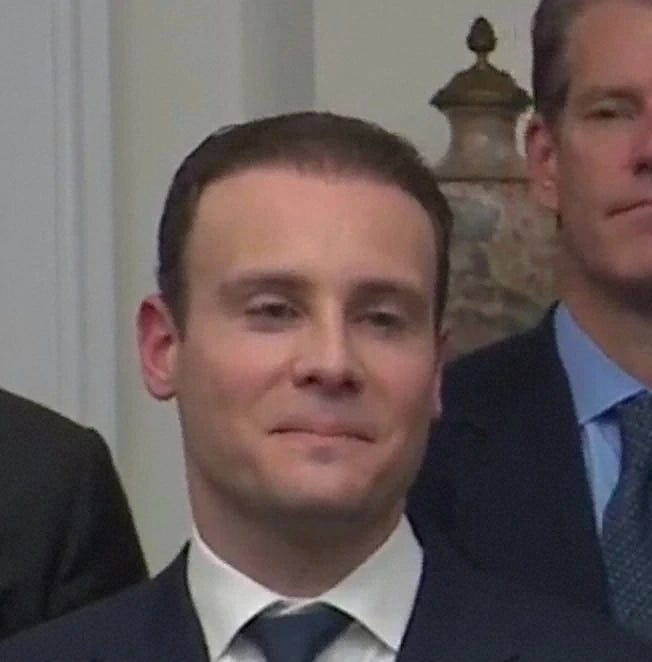
I have always preferred talking to those that found an interesting or shorter route. Why waste your life listening to those that only know misery?
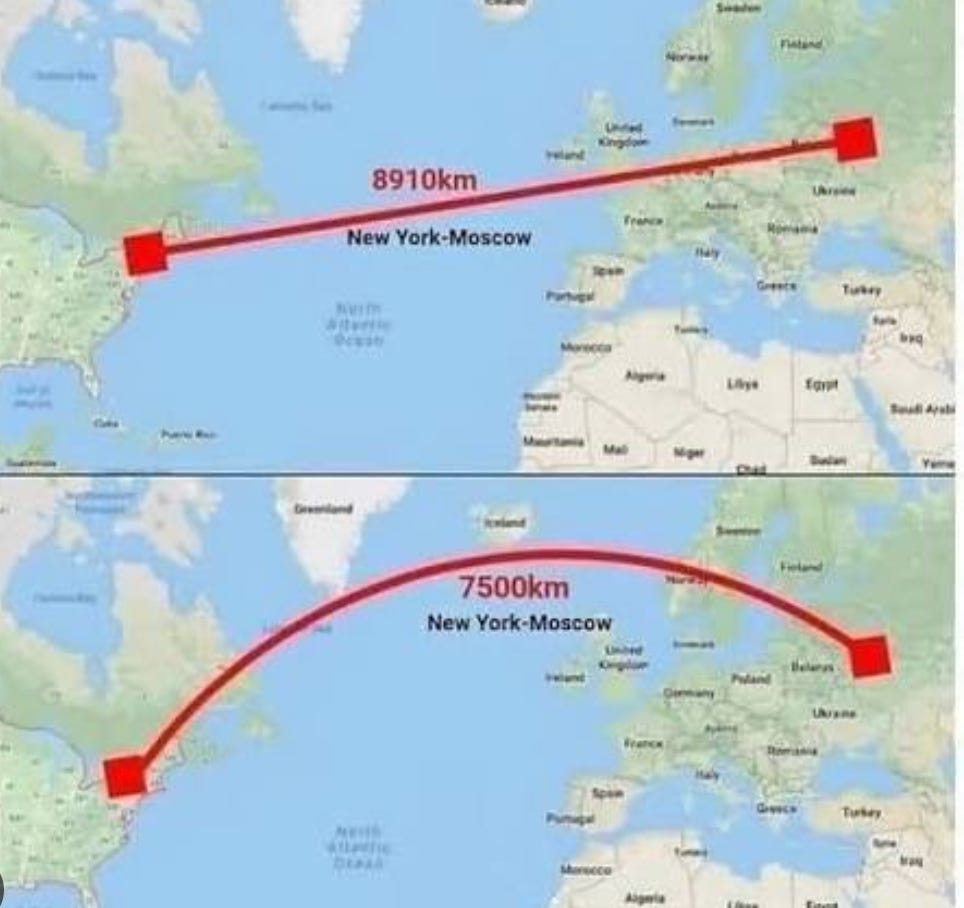
Most people walk around assuming that the fastest route between two points is a straight line.
Those people also mistake the map for reality.
But if you understand reality,
you also understand that
The map is not the territory
and
Abstraction gives you the shortcut.
We all think using abstraction; learning new things is an abstraction of your current world. Look at our current situation: I’m writing this, thinking about you, and you’re reading this, trying not to think about me or the week ahead.
My hope over the coming weeks is to learn a little more about how abstraction can be applied to the projects I’m working on. My gut feeling is that we’re about to enter a phase of reality where everything gets a little more confusing to understand.
So I might as well get a head start.
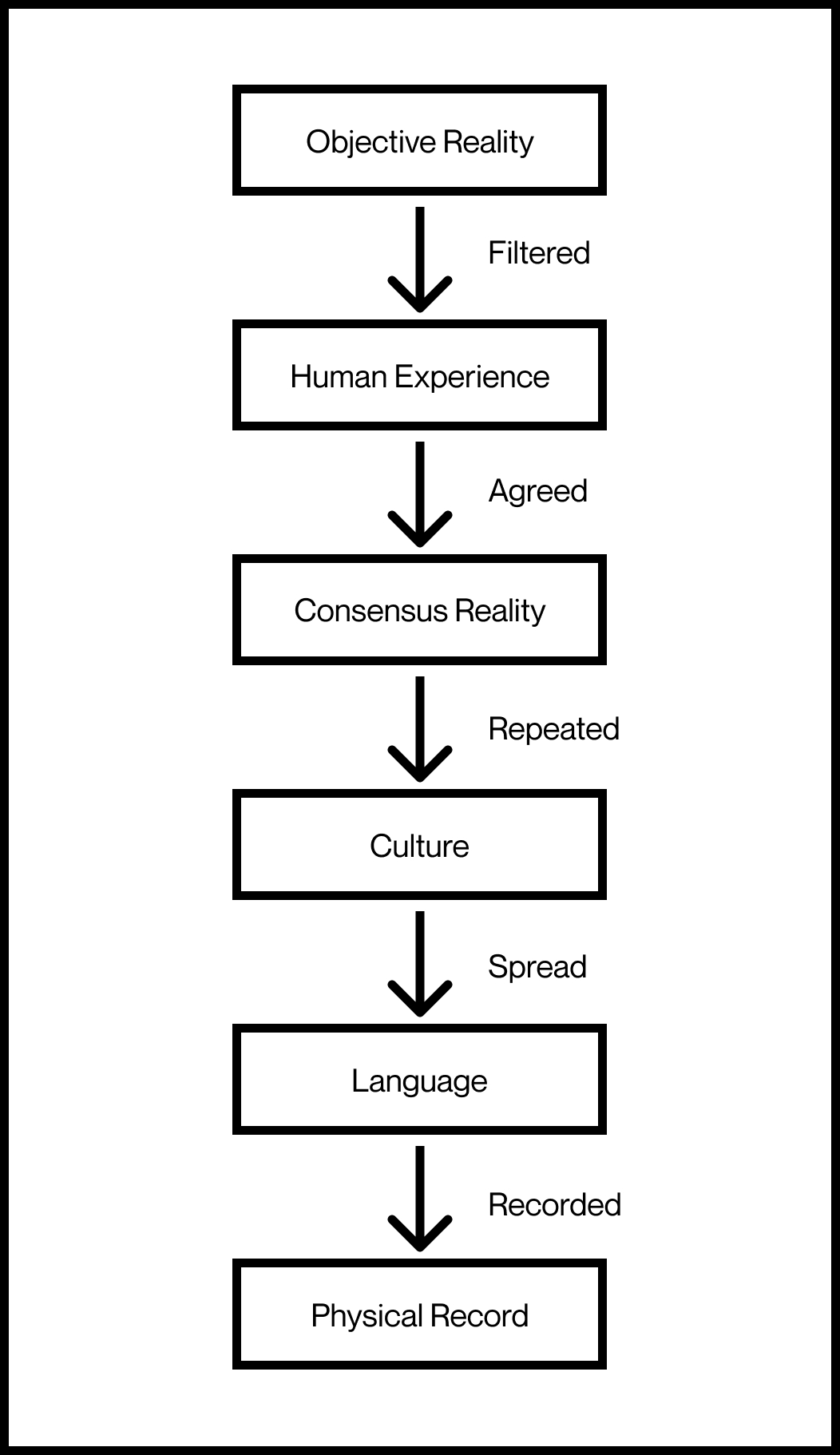
Here’s what I’ve gathered about reality and how it works in relation to abstraction.
Let’s begin.
Objective Reality
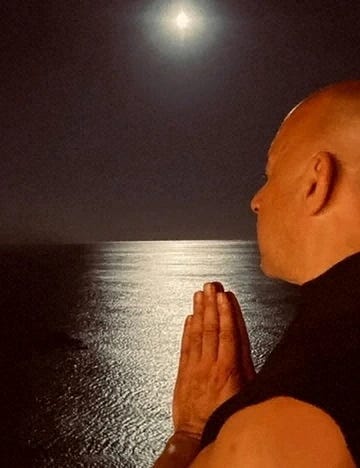
Reality is the soup that we all live inside of. It is and always will be accurate and truthful. The soup is made of energy travelling around us in an almost infinite number of directions and forms. Sometimes that energy coagulates so densely that it absorbs the energy around it. These coagulations are what we call mass: energy so thick that it holds itself together and begins to act differently to the raw floating waves of reality.
Scientists argue about how many dimensions it all exists in. It doesn’t matter much for us whether it’s eleven or infinite, you and I will only ever meet it through the narrow slot of the human senses.
Human Experience
Reality is modulated by our human experience. While everything is happening within the reality soup, our senses are a filter on it across time and space. We only ever see, smell, feel, taste, and absorb reality through that filter. We can improve those senses, hone them for a broader view and change where we are, but we are always a narrow filter on what is actually happening.
The most intense filtration we have is time. We are finite beings with lives and deaths, experiencing any given moment
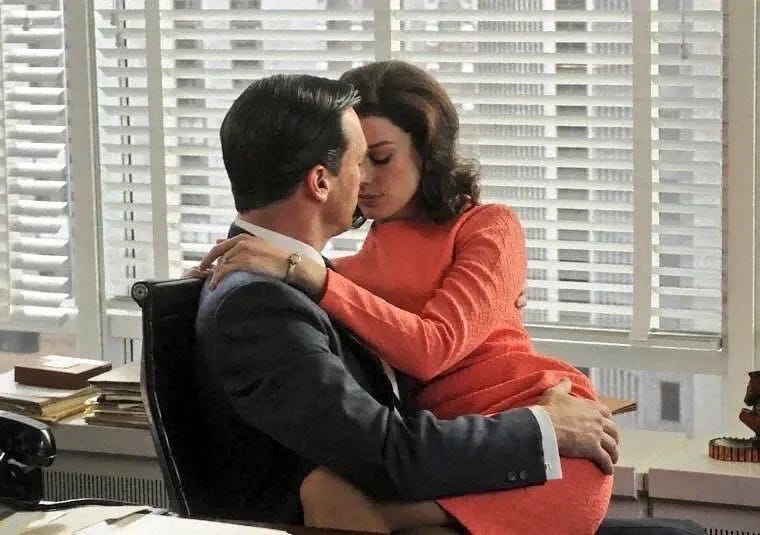
for an instant and no longer. Beyond that instant we are remembering; stitching things together with thought and no longer experiencing objective reality but creating our own version of it in our minds through thought and memory.
Reality filtered through the human experience is a thin sliver of what is actually happening. Once it’s interpreted through thought and subjectively analysed, it may not bear much relevance to reality at all. From the first step of interacting with the world, it is tainted by the lens we’ve developed so far.
Consensus Reality
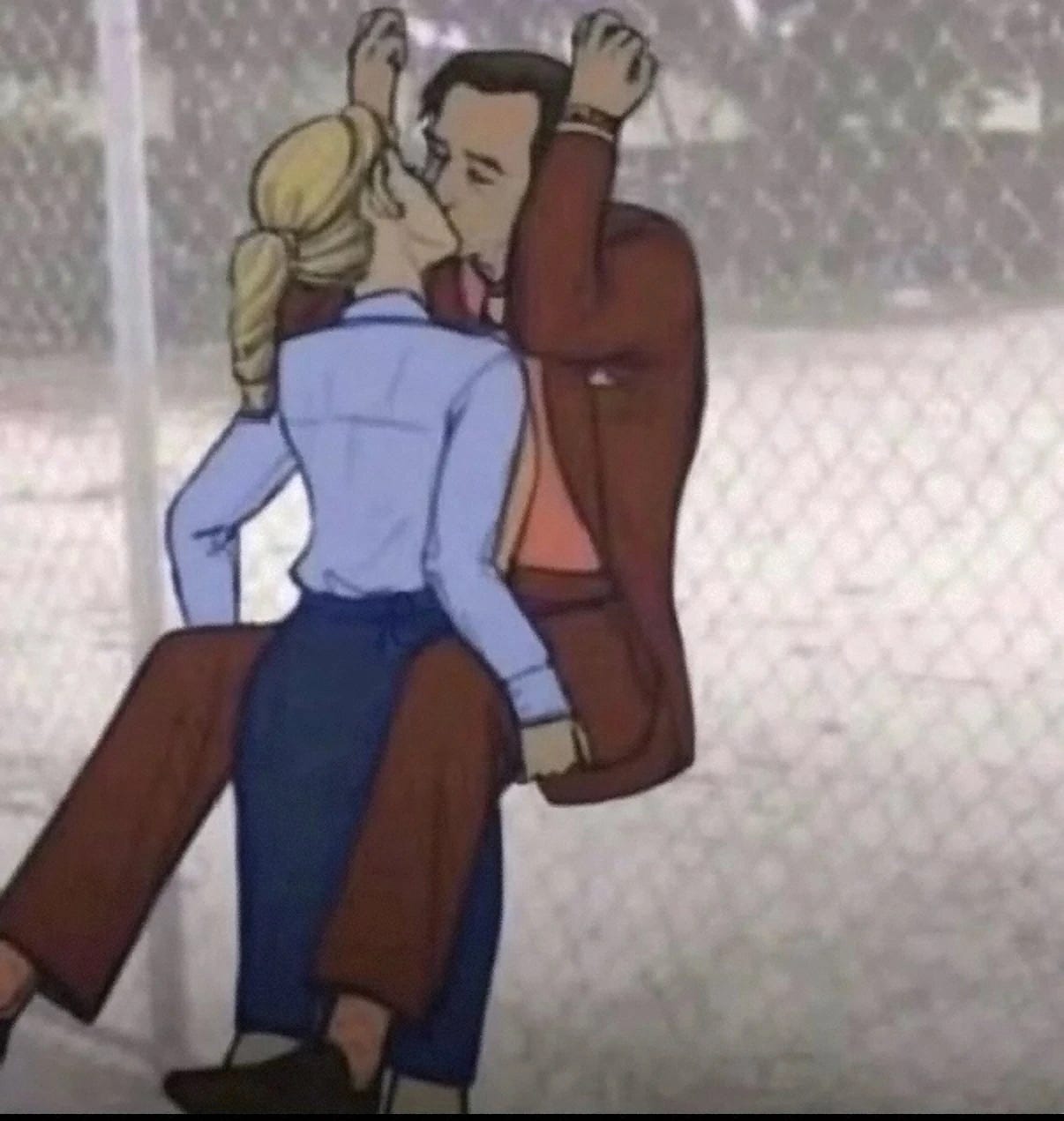
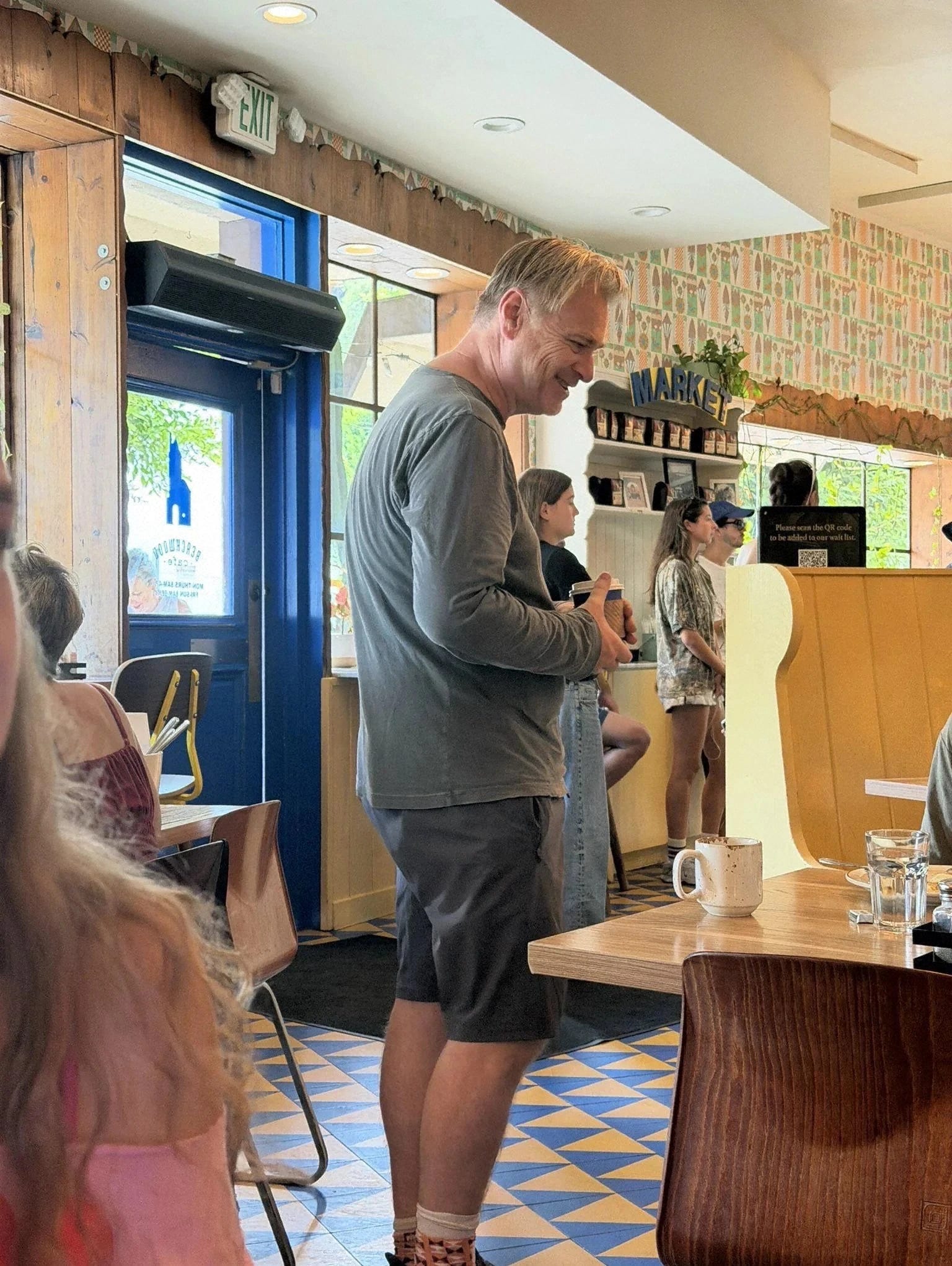
As social creatures, we often experience similar events. Things happen while we’re stood next to other people, and there is an agreement on these things. Equally, reality often agrees with other parts of itself.
If I were to fall from the building I’m in, there would be a strong agreement between myself and the ground. We make agreements with the laws of physics whether we like it or not (also intersting is how humans love to contest them, maybe to prove our immortality but more likely to hide from our insecurities about death). Within our populations, consensus helps us navigate the complexity of being fleshy meat sacks floating in reality soup. It’s already confusing enough in here; the reassurance of someone else experiencing the same thing is part of how we survive it.
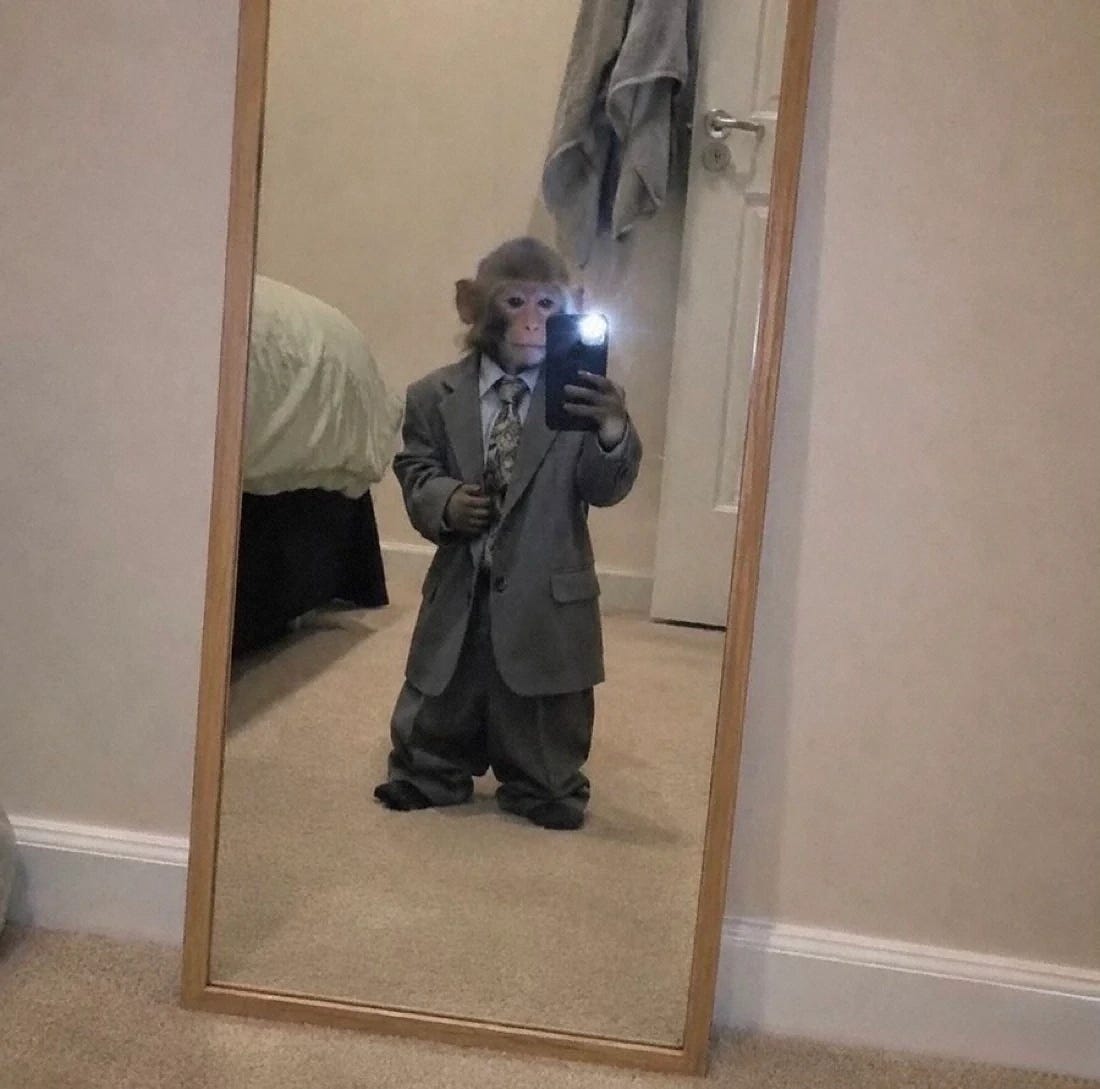
We develop consensus most easily with those that share our whens, wheres, and hows, meeting similar whats. That is to say: we find it much easier to understand people in the same locations and time periods, doing the same things with similar resources. Change any of those variables, and it can be very hard to understand why someone is doing what they’re doing.
The broader consensus lets us see reality from a number of perspectives at once, it also means much of our own experience is relegated to being hidden. When we interact with the world through consensus reality, we agree that some parts of our own experience didn’t actually occur.
Culture
When a given action is repeated by a specific group, and it benefits them, the group optimises for it. Groups naturally form around those with similar objectives and conditions. Human objectives are broadly similar everywhere: food, differentiation from the pack, status and security, procreation.
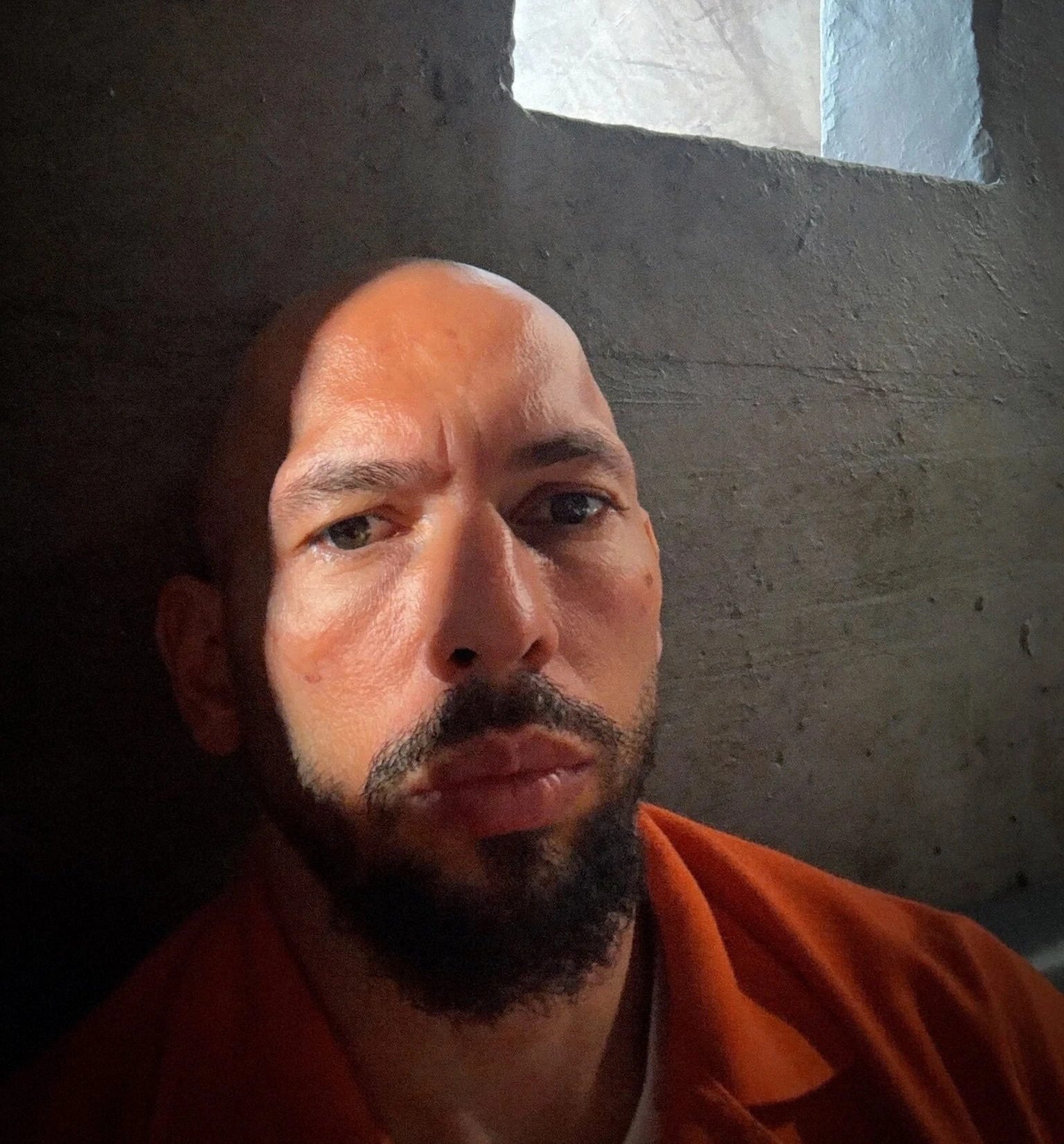
If we’re all in the same place, in the same period, trying to get the same things, then over time we find ways to decide who gets what. That repetition develops culture. Culture is what emerges when a group keeps doing something and starts optimising for it.
Culture ranks reality. It defines what is beneficial through the lens of the group: what exists and what shouldn’t. Reality viewed through the lens of culture is innately biased: biased to the needs of the culture, beyond any requirement for truth.
Language
Over time, repeating the action isn’t enough. The group’s objectives and fidelity needed to achieve them outgrow simple memetic theory. We need to communicate and propogate so we develop language. This may seem rudimentary, but remember what we’re watching: the modulation of reality through culture. All cultures, over time, develop a language.
That language might be clothing, oral, visual, or physical. Language takes many forms, but developing one lets a culture spread beyond itself. The most prominent recent example is looksmaxing where the subculture’s private vocabulary has escaped into the wider world, dragging the culture’s relevance and resources along with it.
Language enables accuracy, specificity, and the transfer of reality from where it occurs to where it does not. It spreads culture and consensus across the physical plane. And, more importantly, it protects what the group has built, when a culture has its own communication system, it gets to decide which parts of itself matter.
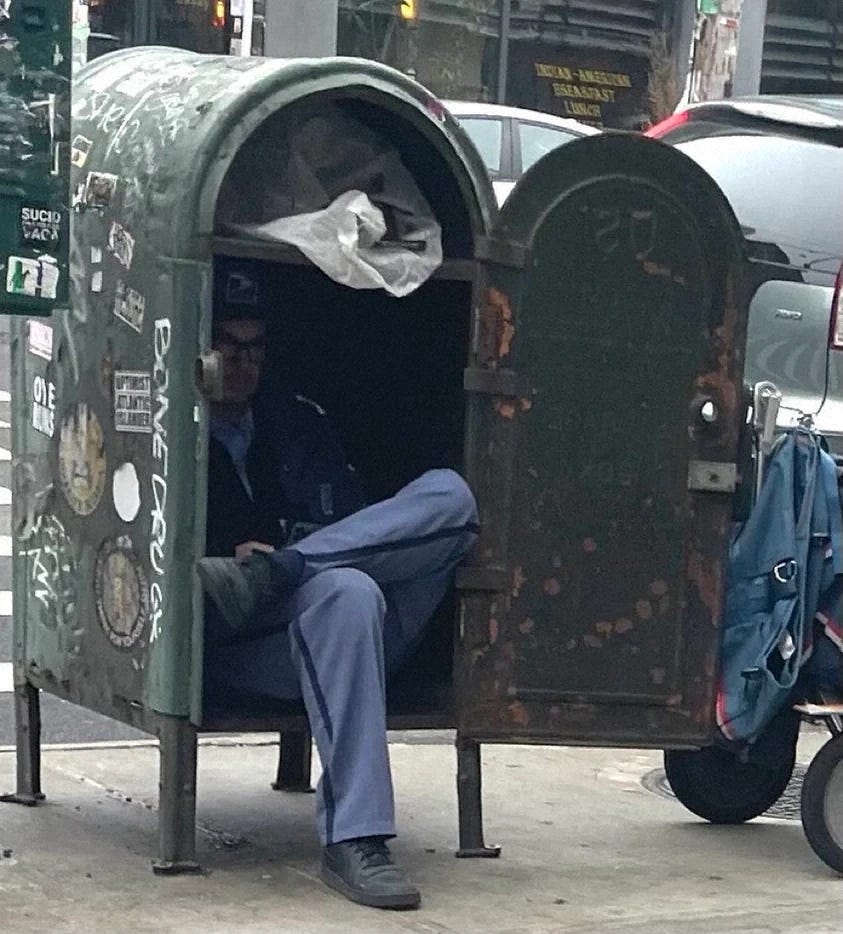
Interacting with reality through a specific language filters it through the culture of that language. There are trade-offs, but the language is primarily designed to enable the culture. Experience something through its own language, and you’ll understand it the way the culture meant you to.
Physical Record
Right now, we are using language to communicate. I’m sharing my perspective of reality with you in a different time and space. We’re both looking at the same thing, maybe feeling the same feeling, through a system that transfers energy across time.
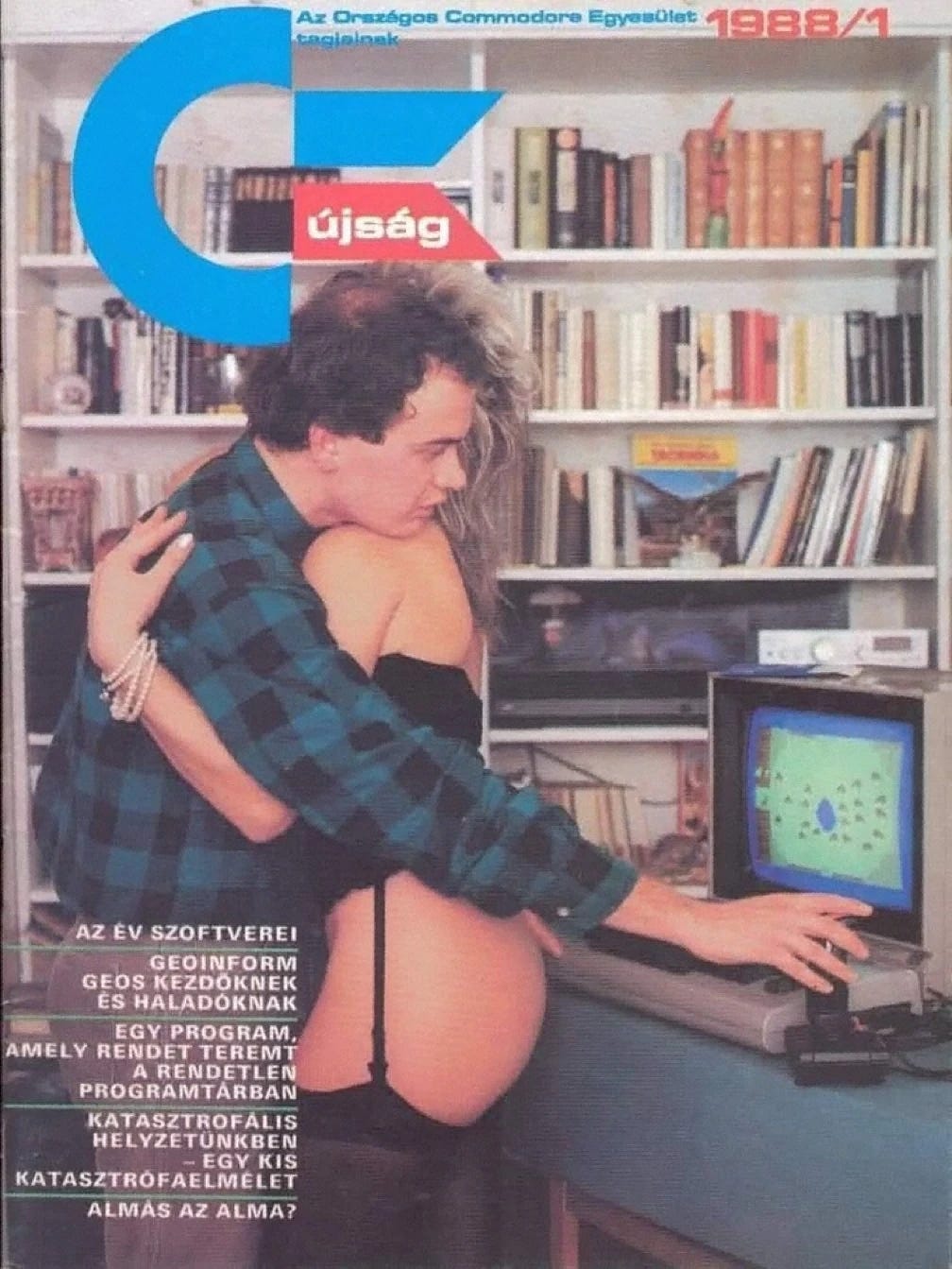
This locking of reality develops permanence; it lets reality remain long after the culture has lost its resources. The archives, the textbooks, the articles are all trying to preserve and communicate across time. The physical record is how we alter reality forever, staining it with our clunky little words and actions.
Interacting with reality through the physical record might sound like a verbose way of saying “reading books”, but the record is everywhere: the way rocks age in layers, the holes we dug for coal for hundreds of years, the fact that one day we stopped digging.
Some of the most prominent physical records we’ve left as a species came from the language of war. Groups of us, in specific places at specific times, looked at the world and said: if we don’t do something now, they will take our food. The language we built to answer that left marks on the planet that are still visible today.
Art?
I don’t seek to define what art is, it’s not that important and there’s enough contradiction and difficulty in that problem that it is potentially more boring than this essay, and I’m not going to entertain the usual controversy about the aesthetic or visual characteristics of art either.
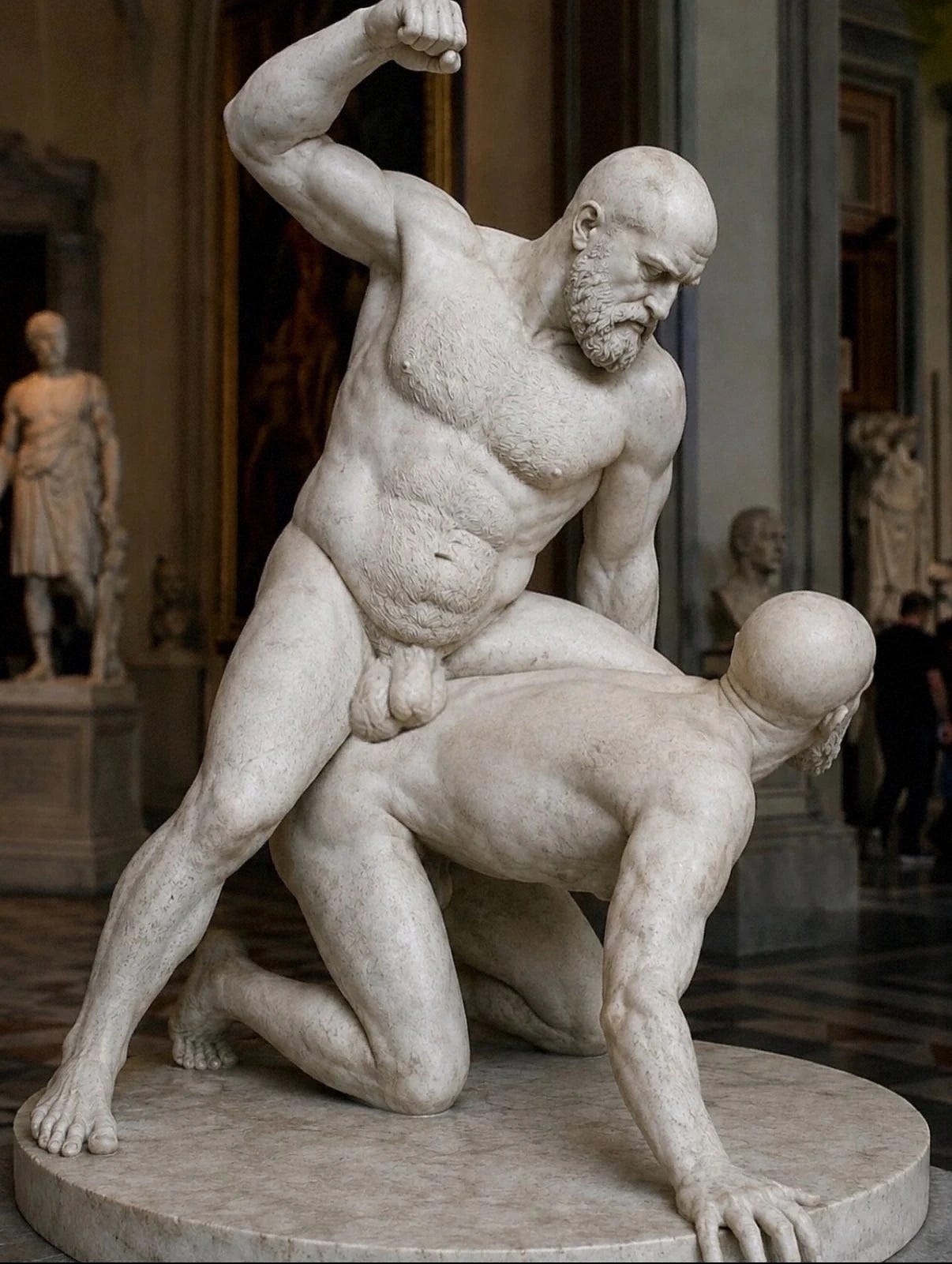
Let’s just agree it exists. fair?
Whether art is defined by some aesthetic interest that surpasses the everyday and steps into the sublime, or by some non-aesthetic functions (ceremonial, religious, even propagandistic), it can still be considered art. It only has to be valued as such by some specific group, however right or wrong they are.
By any definition, art is an abstraction. It shows a unique aspect of reality, often through language or the physical record, that illuminates some part of objective reality, consensus reality, or the human experience in a way that convention cannot.
If you’re still with me, trying to figure out why any of this is relevant, I think therein lies the value of art: unique maps for people in unique positions, trying to figure out unique things that require unique tools. When a piece of work resonates with something inside you that you haven’t felt before, you can’t quite explain it. No matter how many readings you do, there’s something behind all of it that just feels right. That thing your language can’t find, often because it comes from a culture you’re not part of, is a missing key to a reality you’ve already experienced but cut off from yourself, because at some point the people around you couldn’t feel or see it themselves.
Poets Corner
Draw Away

like the trench like the stream without water,
like the stream like the river that can't hold the boat,
like the river like cloud that can't hold the rain,
like the rain like the boulder too heavy to float.

- Thomas May
Final words
I know this week was tense, terse, dense, and heavy. I’m on the road at the moment, and I haven’t quite been able to get everything I want down for this week. My practice has escalated aggressively in the last two weeks, and I’m still finding my feet with a new pace.
I should be there by the end of this week.
I’ll be breaking down the different elements alongside sharing how I’m thinking about them in relation to the actual work I’m making. I’ll also be sharing my little deep dives into the limitations of a time-based perspective on art movements, if you’re interested in art history, or in looking at reality through a non-market lens, those might be for you.
Culturally, humanity has been very focused on artworks as a product, especially over the last hundred years. My understanding at this point is that art is about to go through a huge shift, and there may be a better way to look at its value than whether it was relevant to the market forces of its time.
Hope you enjoy the next few weeks. I know I will, as always. If you have questions, hit reply. If not, I’ll speak to you soon. Next week we’ll be looking at the boundary between objective reality and the human experience, specifcally how thought, sensory input, and reality interact.
I love you loads
your obedient servant
Russ x