


It’s 2021 and I’m a month behind on rent.
For the last two years I’ve been putting posters up around London. It’s a good project and been enough to give me the confidence to quit my day job, but it has no chance of putting food on my table.
It’s introduced me to a patron who’s flown me out to the south of France and tells his wife that I’m the next Gormley, she disagrees and tells me that it’s not really art.
Nevertheless, I am now committed to this life and I still don’t know how to make money with it.
I make the same decision every artist who operates at the edges does to survive, make stuff that people want on their walls.
She might not be right, but she holds the purse.
I understand a little about painting and the market, I can make marks and stuff comes out, but the world is full of humans that can paint. I also know that once you start painting in a certain way and people start knowing you for it, then you can easily get stuck. So if I’m going to get pigeonholed into an aesthetic, it had better be one I’d love doing any day of the week.
I know that I need to enjoy the act of painting every day.
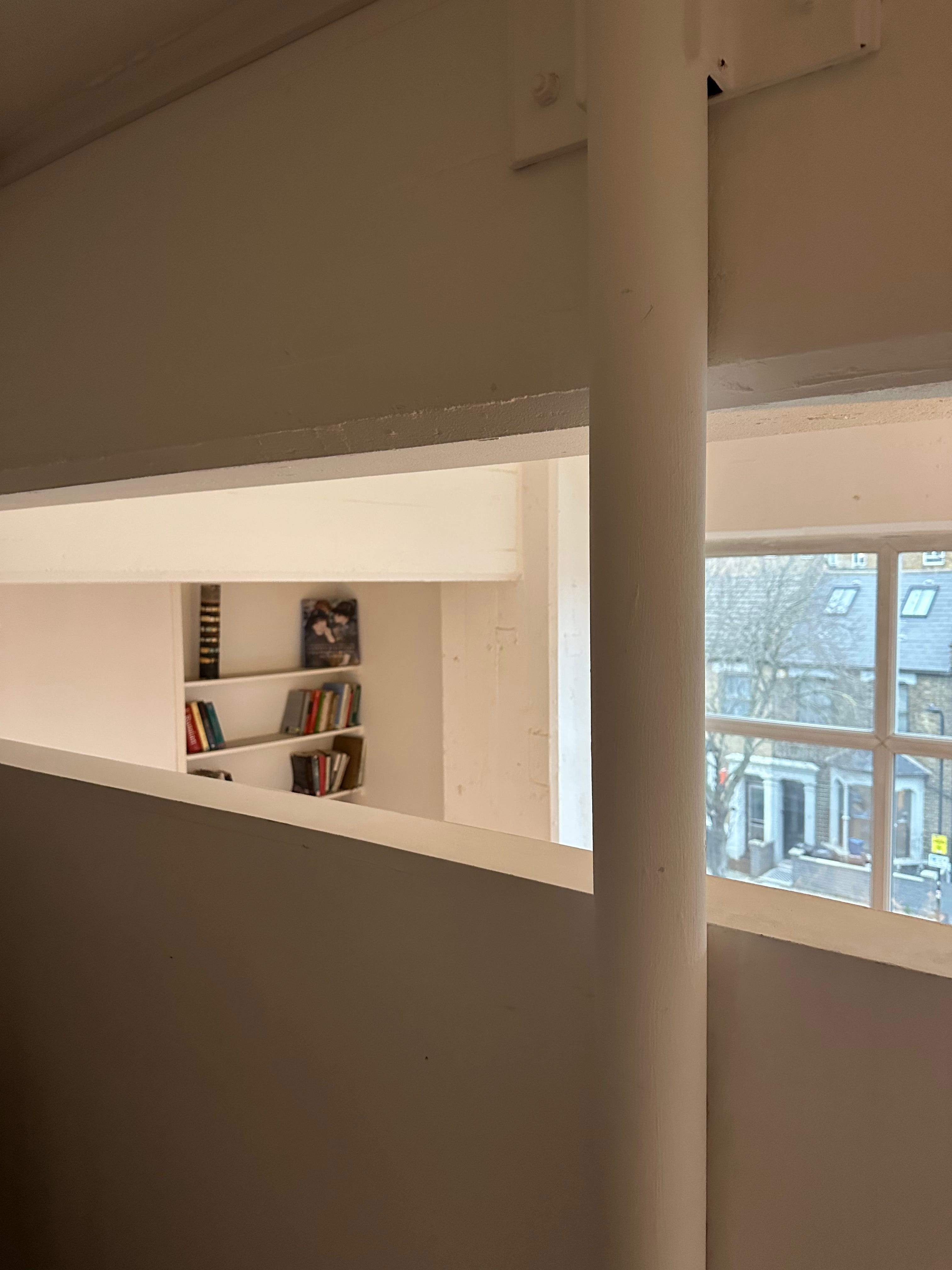
In the studio I’ve got a bunch of secondhand stretcher bars from a friend, and a roll of canvas, just enough to put together ten identical canvases.
I know this is all I need to make rent. Well, I don’t. But it’s a good game to play with the world when you’re figuring out how it works.
I spend my days researching and making smaller works, exploring ideas I’ve pilfered and stolen from those before me, and in the evenings painting over these canvases that are meant to save me from my sorry situation.
The aim is to complete a canvas a day until they all sell. I paint the first on day one and continue through them until I reach canvas eleven. If canvas one is still in my studio unsold, I get to paint over it. I know that’s going to hurt. Everyone paints over paintings. It’s part of the game. But it’s a stark reminder every day that if I don’t improve. I will die.
So I begin painting. I start with a self-portrait, survivable. But I know quickly that isn’t me. Then landscapes, but I realise it’s ruining my daily walks in nature. I want to keep that for myself. Then eventually I find abstraction. It’s good. It suits my mind. It gives me a freedom. It’s a place where that bumpy and complex part of my brain finds safety.
I realise that the easiest way to improve is by shrinking the boundaries. First form, Rothko’s rectangles, I copy that for a bit. Eventually I realise a single rectangle is the hardest boundary.
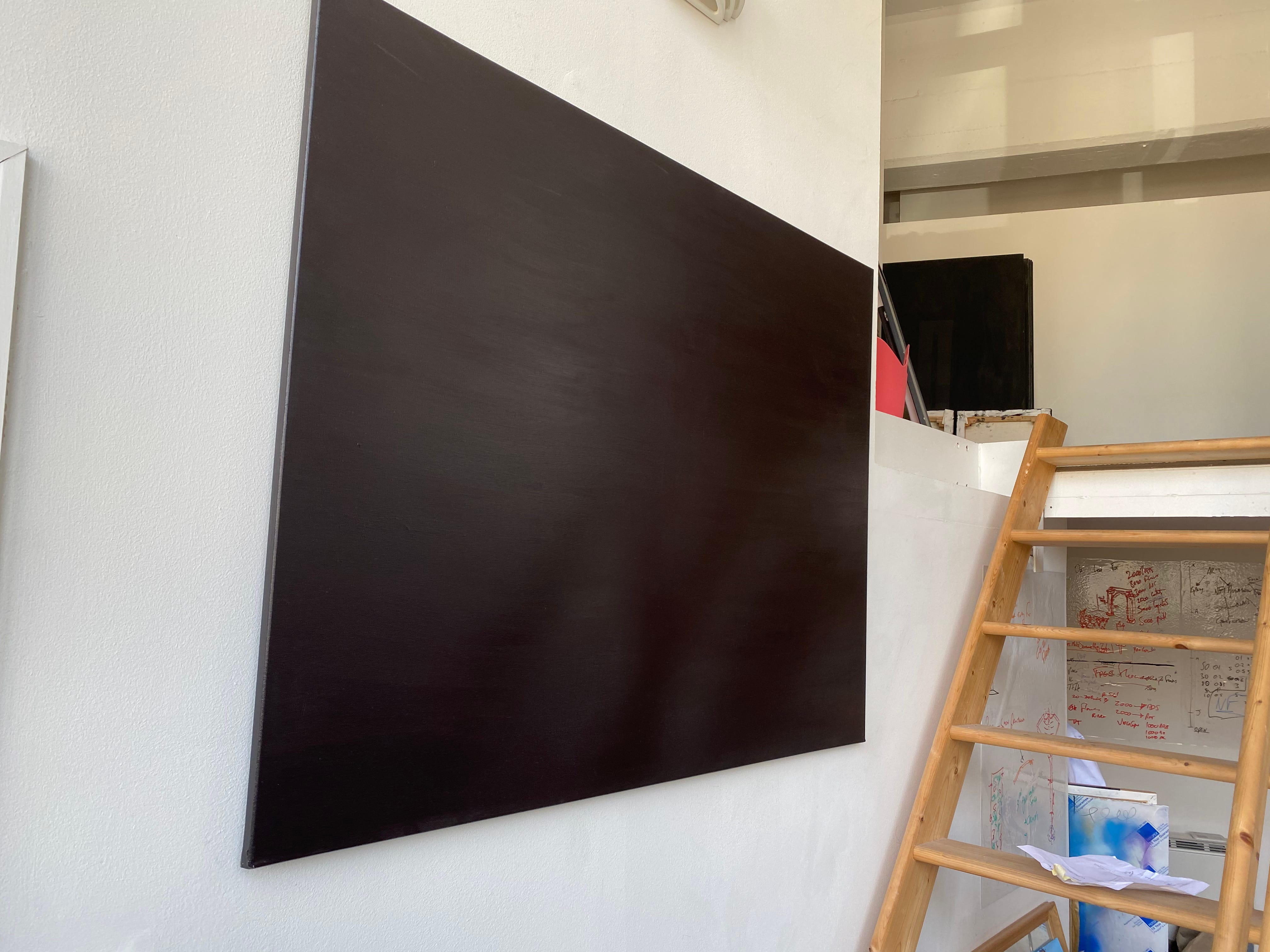
The colour, Soulages mastered black, what if I follow him down that road?
Then the marks, Agnes Martin. What if I do the same mark over and over again and see what comes out?
I enjoy the meditation, but I like being faster. I like speed. What if it’s a single mark?
By painting 67 I’m at the point where I’m trying to see if I can paint a painting in a single brush stroke, in a single pigment, in a single movement.
And they’re starting to look palatable but still somewhat unoriginal.
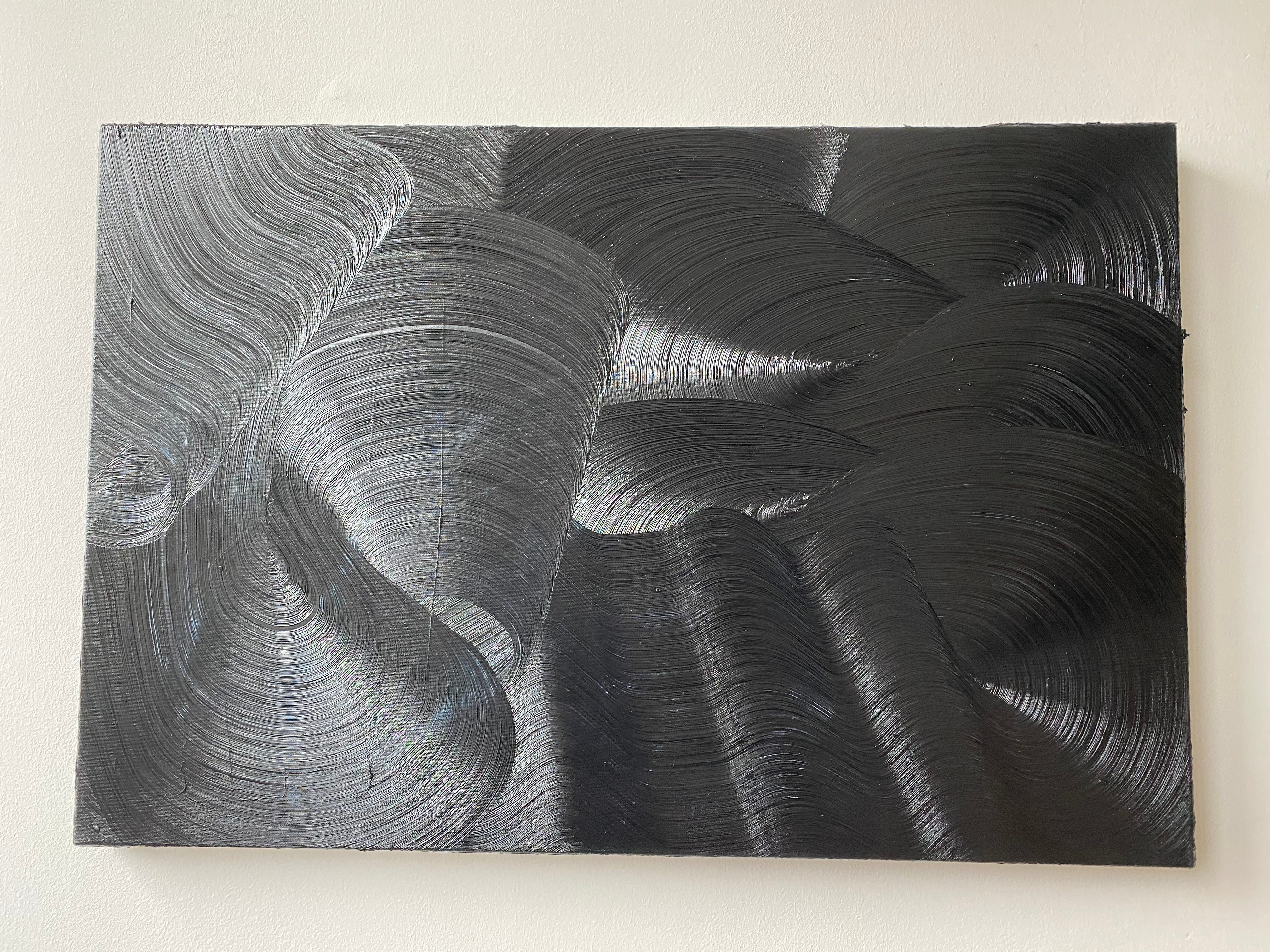
I get a DM: “I like what you’re making. Can you make one in blue?”
My heart’s a little bit broken but I am rescued. That DM saved me from the fire and they’ve been supporting me ever since.
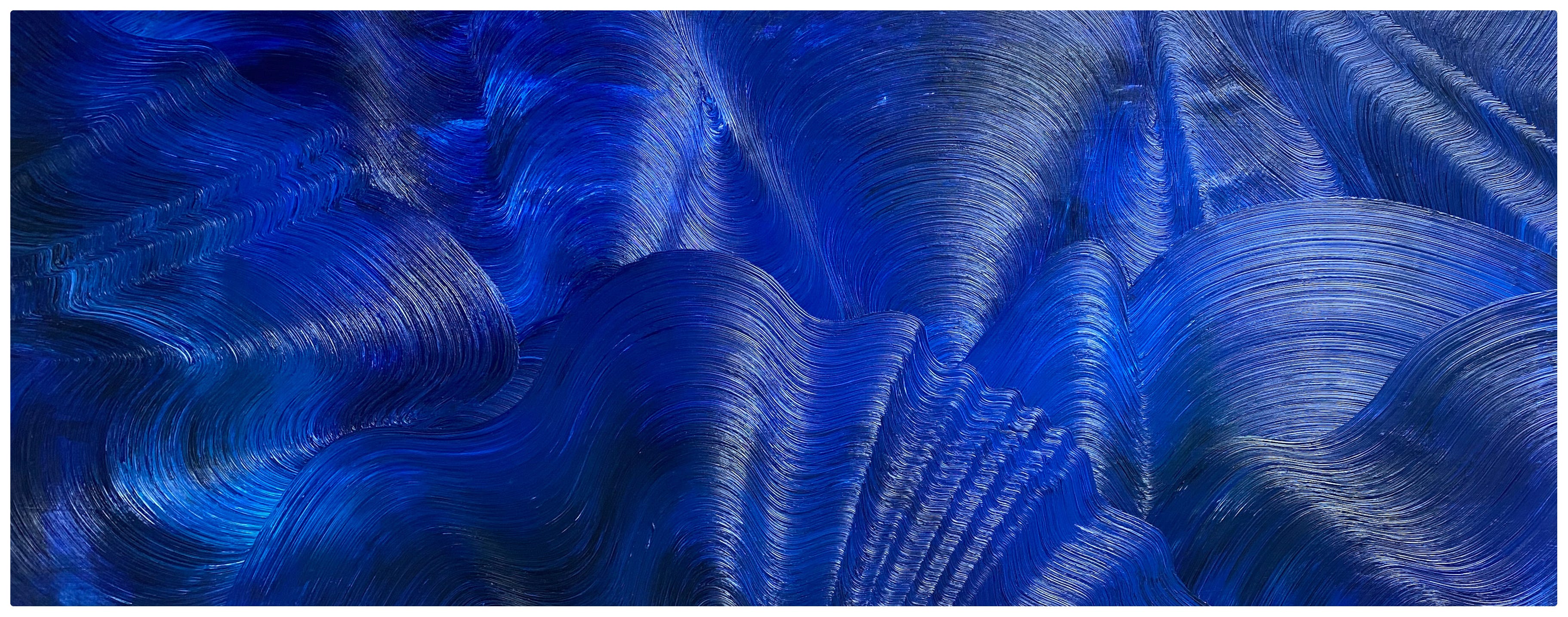
Slowly the DMs come in, stuff is leaving the studio. It might not look like what I thought it would, but I’m surviving.
I guess I now make paintings.
I start putting together whatever cash I can find for a show in 2022. There’s enough there to keep me going, make a big bet on the show and pay rent, but it’s tight.
It’s all or nothing.
Show
Over the next year I begin to learn what it’s like to develop the work, what it’s like to exist while making things like this. I’m still new to this, but there’s something in the process of making these paintings that’s cathartic.
As the paintings get bigger and take longer, the days change into weeks and months, and they mark the time I spend on them. They act as a visual diary of what I’m learning about, my boundaries in my relationships, how I protect this newly found aspect of my life, and whatever troubles, traumas and problems I encounter while making them. I don’t see it at the time, but as the paintings fall out of me, I begin to notice. When I’m most stuck in my life, the work solves at the same rate that I do. And when the work stops. So do the solutions.
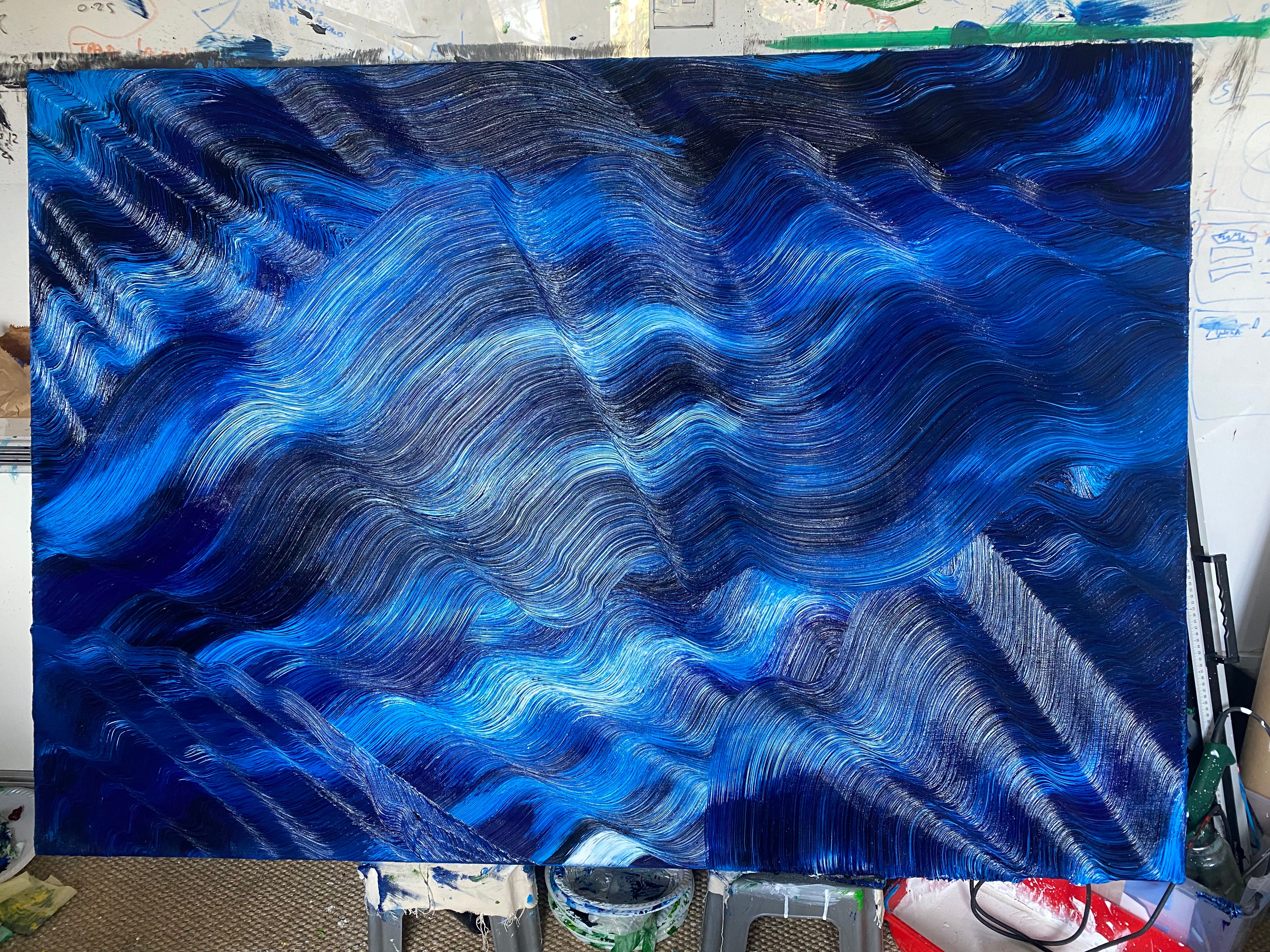
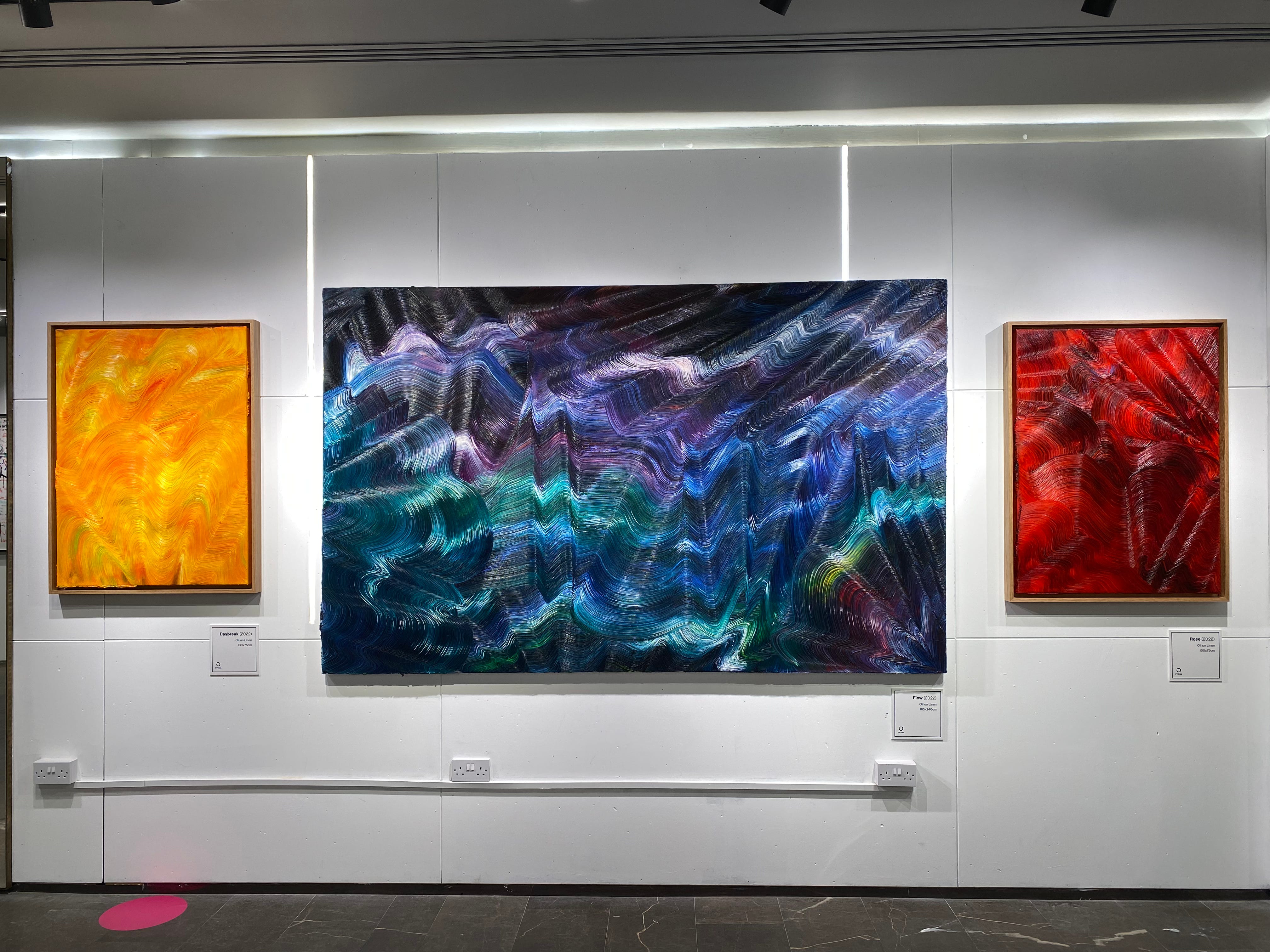
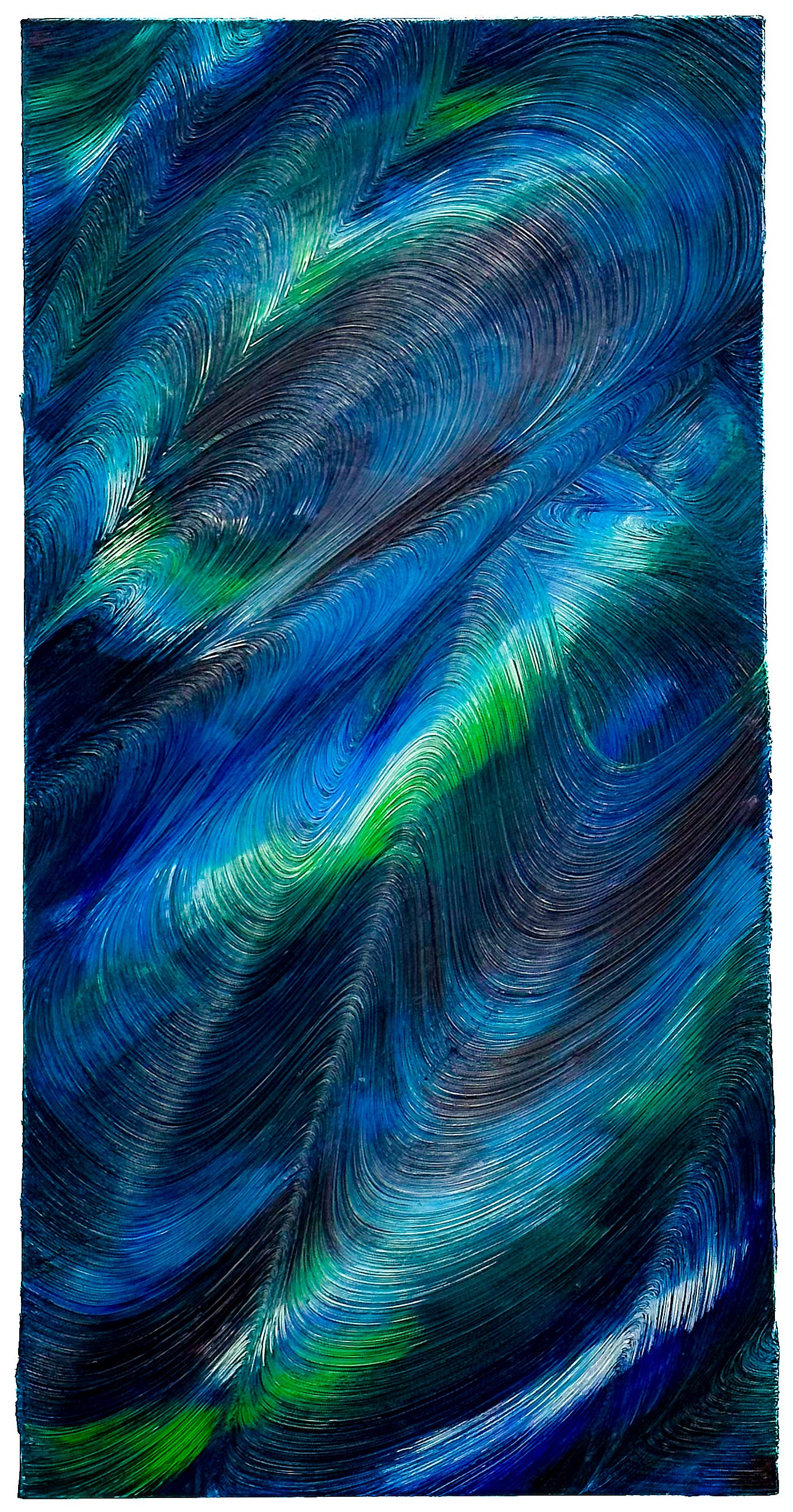
It’s during this time that I make Flow. I’ve just begun to understand that the relationship I’m in is in direct conflict with my upcoming show. The conversations, the risk, the lack of belief, it’s a crazy bet who would believe in it... But I know I have to. My partner doesn’t and our relationship is on the rocks, my career has taken so much of our time and my capital that the serious questions of whether this will work have stopped me from working. But I’m in love, and I am torn. Are they right? Or do I stay on the path? And while I see them and their needs, I also know I need to see a side of myself that believes in art. I just don’t know how to say it in words.
I always get a little bit distracted by love. Maybe all of this is just about my own experiences of it, and how distracted I get. Or maybe I’m going to find something deeper that we all experience.
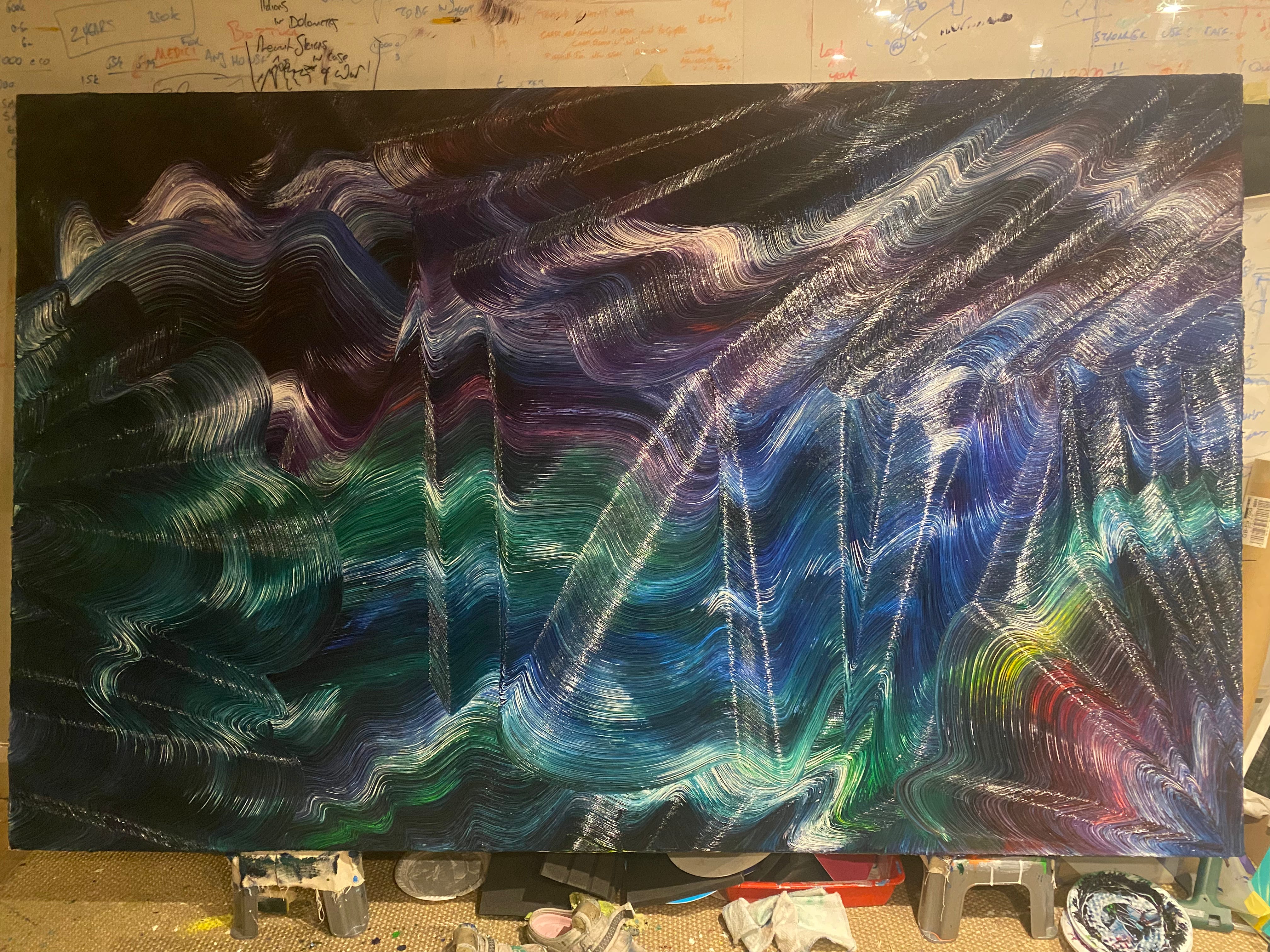
As the summer of 2022 comes around, the show opens on New Bond Street. I get to show a lot of my friends the work I’ve been doing. I don’t know how to market a show, and all I know is that the work is good. The first week has the first people walking in from the street and buying things and even though I’m a complete nobody using a fake name on the door it’s enough.
The other commercial galleries on the street put their heads in every few days to see what’s going on. I start seeing red dots and get a little bit of an ego. By the end of the show enough of the work has gone to know I’m not crazy.
Flow finds a home in a building I can see from my current studio. The collector promises to build their new London apartment around it as long as I install it myself. They even gave me visitation rights to go and see it once. Visitation rights I’ve since used up and wish I hadn’t.
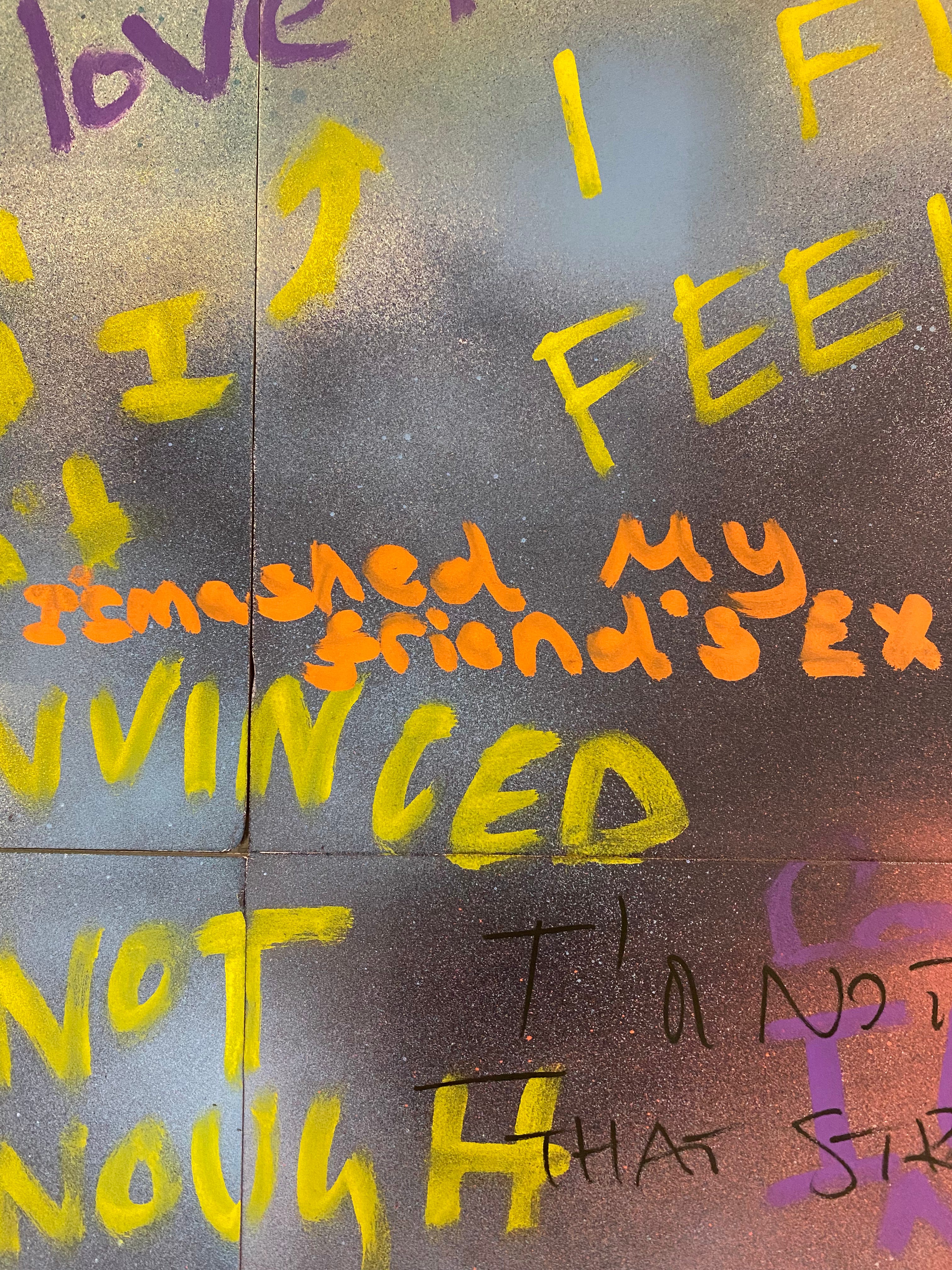
At the back of the show there’s a confession booth. I like to mix the two spaces, it creates a more whole experience. The rules of the booth are that you must enter one person at a time. You go in alone and write on the wall. The confessions are mostly about love, connection and relationships, and everything in between. What’s fascinating is the couples before entering realise the rules. More often than not, one half of the couple ushers the other in, so they can be a bit freer about what they write and not get caught in the act of admitting to something they would otherwise not want read.
And I realise, like me with Flow, everyone in love has something they can’t quite say.
The paintings that go first are the ones with the strongest narrative. The ones where it’s clear why I’ve made them. Even if it isn’t a narrative the collector wants to hear.
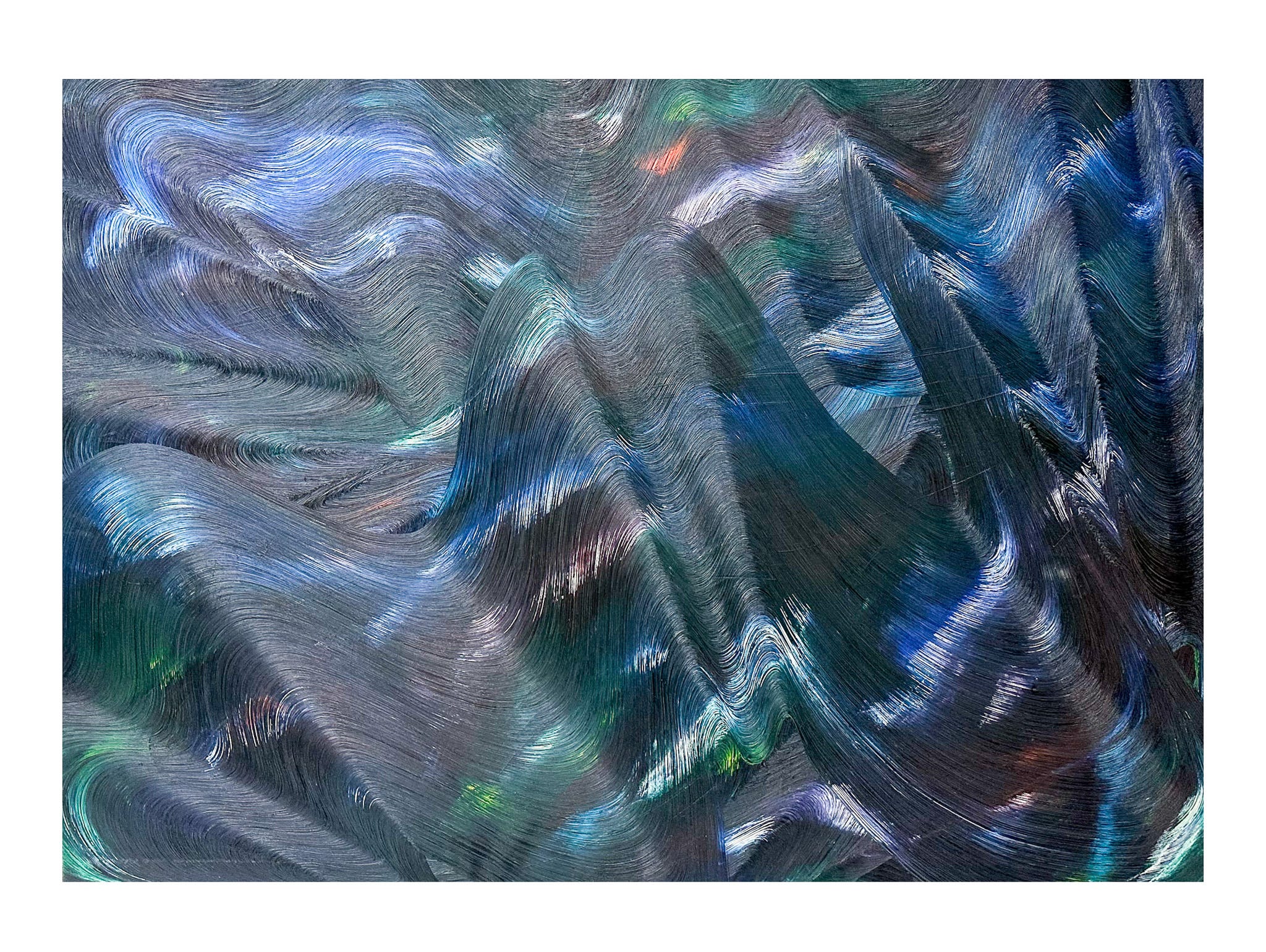
When I started painting these in 2021, they were mirrors of what I liked, what I enjoyed, what I was seeing day to day, what I wanted to make. By 2022, they’ve become mirrors of my experiences and everything I’m learning along the road. Small parts of me that have become for sale. Like colourful horcruxes that hurt when I let go of them.
After the show, I begin to look for what’s next. The booth is the place I can’t forget about. I know I need paintings to survive, so maybe they’re connected. Maybe if I talk to people about love I’ll find something. So I start talking, and finding answers to questions I would never ask. And I find more and more people with interesting perspectives on love. I begin to change alongside them.
Miami
London can be a quiet place, certainly for bold colours and an artist trying to find a space when they’re not from the right circles. It’s a city built around status and class, people too busy to get coffee unless you have something they value. I’d lived in the US before and remember how open people were to meeting. I look over at Miami, a place where everyone is new and the dice roll of making something work is normal. I head over, find a studio and begin to work.
Miami is an expensive city, it’s also very fast. The oils I’d been using to make my work take a long time to dry. People come in for a few days, fill their schedule and then leave town, they want things fast. I test out acrylics but begin to realise the work is suffering.
I don’t enjoy the tactility or the feeling, but I get loads of reps. Cheap work, highly decorative but I get to learn about colour. I get to learn about aesthetics. I am, by my nature, not someone that cares much about aesthetics. Unfortunately when you paint, it is something to care about. What goes on a wall? How does the light work? What works well together, most people that buy a painting only care about the visual. It improves and the work becomes more finished, but the contemplative side begins to fade.
The interviews dry up, there are only so many party girls and fast cash entrepreneurs you can interview before you realise that there’s a deeper side to love they’re avoiding through consumerism. I begin to interview people everywhere I go, bouncing around the US and London. Eventually I find that golden thread of humans that can teach me something new. Something about love I will never experience, and they show me a different facet of love, different ways that they navigate the word and feeling, different ways that it affects them.
I get hooked, I just want to know what’s it like to be them?
Every time I sit with them, I try to see their perspective, aligning my own view of love with theirs so I can see as far as they can, I don’t realise at the time, but as I deform my own perspective to see theirs, there’s an effect on me. I begin to shift. And my own romantic relations begin to feel it. It’s hard to be in love with someone when your own view of love is changed by a stranger every few days.
It starts having a serious effect on me when I meet someone who was sexually exploited at fourteen. Her mother forced her into it. The closest bond we have as humans, between a mother and her child, compromised for money.
She is more complete than anyone I’ve met thus far. Her understanding of love is that she has a spiritual mission, to heal from these experiences and show the people around her that love can reign over everything. She believes that by overcoming these difficulties, she might move beyond samsara and not reincarnate as a human.
I’m still trying to navigate making rent from making weird things while my girlfriend wants nice holidays. It isn’t hard for me to see that one of these ideas of love is more important to grow.
But seeing someone commit their life to it, to helping others find a way to experience it despite their own complexity experiencing it, shows me that maybe we haven’t got it all figured out.
I come back to London to close up the studio here. On my last day, after sweeping it out, I meet someone in London Fields park who has been in love with their soulmate for six years. The soulmate has just informed them that they want to have kids with someone else. Heartbreaking, but within the normal canon of relationships. But this person is different, they want to figure out how to love their soulmate in a new way, just so they have the privilege of watching them bring up kids. They want to find a way to maintain the love so that they can give them the space to have another relationship, stay far enough away that they don’t interfere, but close enough that they don’t miss out on seeing them grow into the great father they know they will be. Even if the soulmate can’t love them back in the way they would want.
They are willing to change who they are to keep the love.
Love is a force that affects identity. What we love defines us. And when we hold onto a love or even one that is new, it changes how we navigate the world around us.
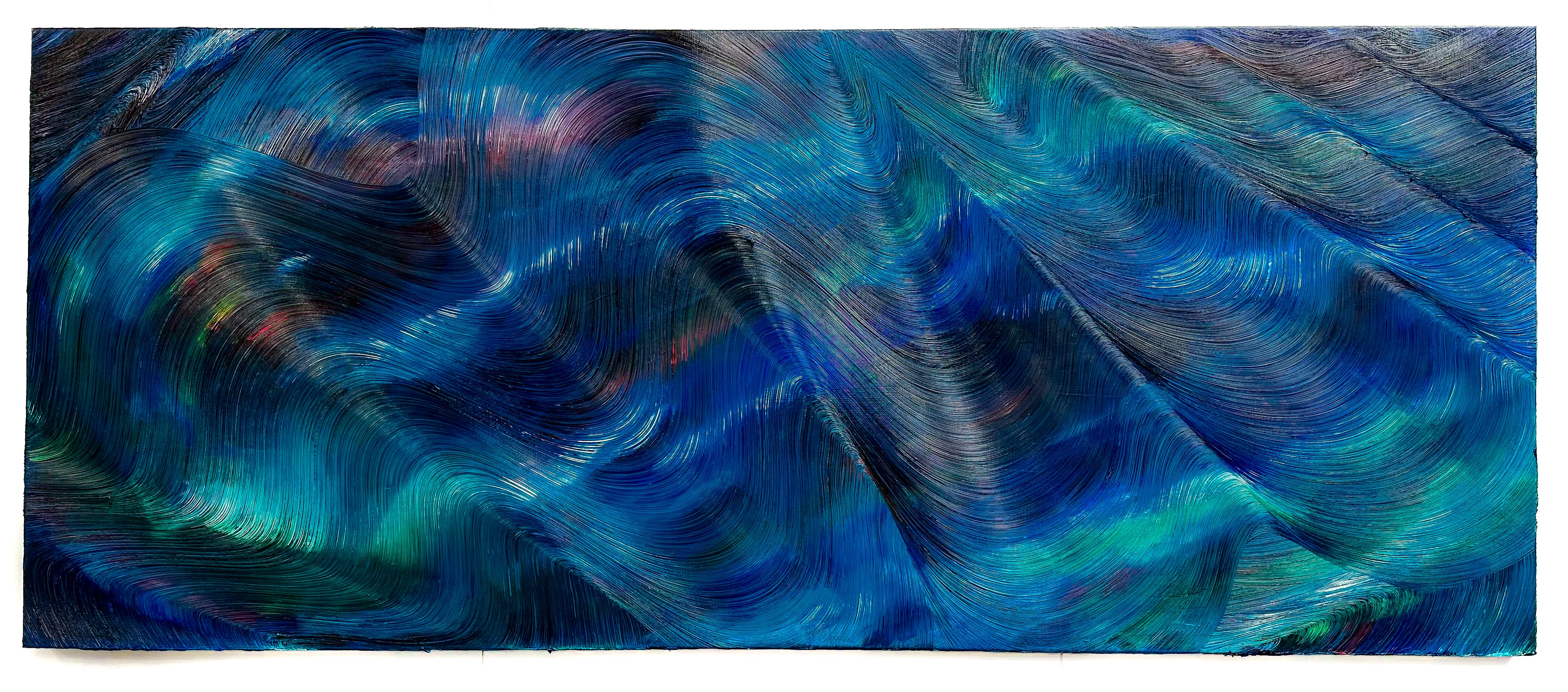
No matter how we love or what we love, our identity shifts. We move to a new perspective, and whatever we want to love begins to look different. It’s the same when I’m making the paintings. I might be reflecting on something at the start, but who I am at the start and who I am at the end are very different creatures. The painting is a recording of the time between those two people and everything that made that happen.
I believe there is a spiritual power to art, and it’s held in that recording of time. The painting becomes a memory of that time and that idea.
Home
Eventually Miami and the relationship break down. Maybe it’s me being confident enough in the work, maybe it’s that I would break without it. I don’t know. I realise that what I’m interrogating is this sense of identity and how love affects it, how everything affects it. I come back to London and have to re-establish the studio, now using my own name.
I know that what I’m exploring around identity, and how I’ve changed over time, has become part of the context, and I can no longer hide behind some moniker or brand. Maybe it’s the acceptance that there is no separation between art and the artist, at least in the way that I want to play the game. And why should there be, who wants to see work from someone that isn’t living what they make?
I continue the love interviews. Going deeper and falling in love with someone’s idea of connection for a few days or a few hours. And it’s breaking my heart. My process has become to connect so deeply that they trust me with the most intimate parts of their life. Sometimes in a three-hour interview. Sometimes over a couple of months. And then mine that new perspective to make something tangible while I put myself back together.
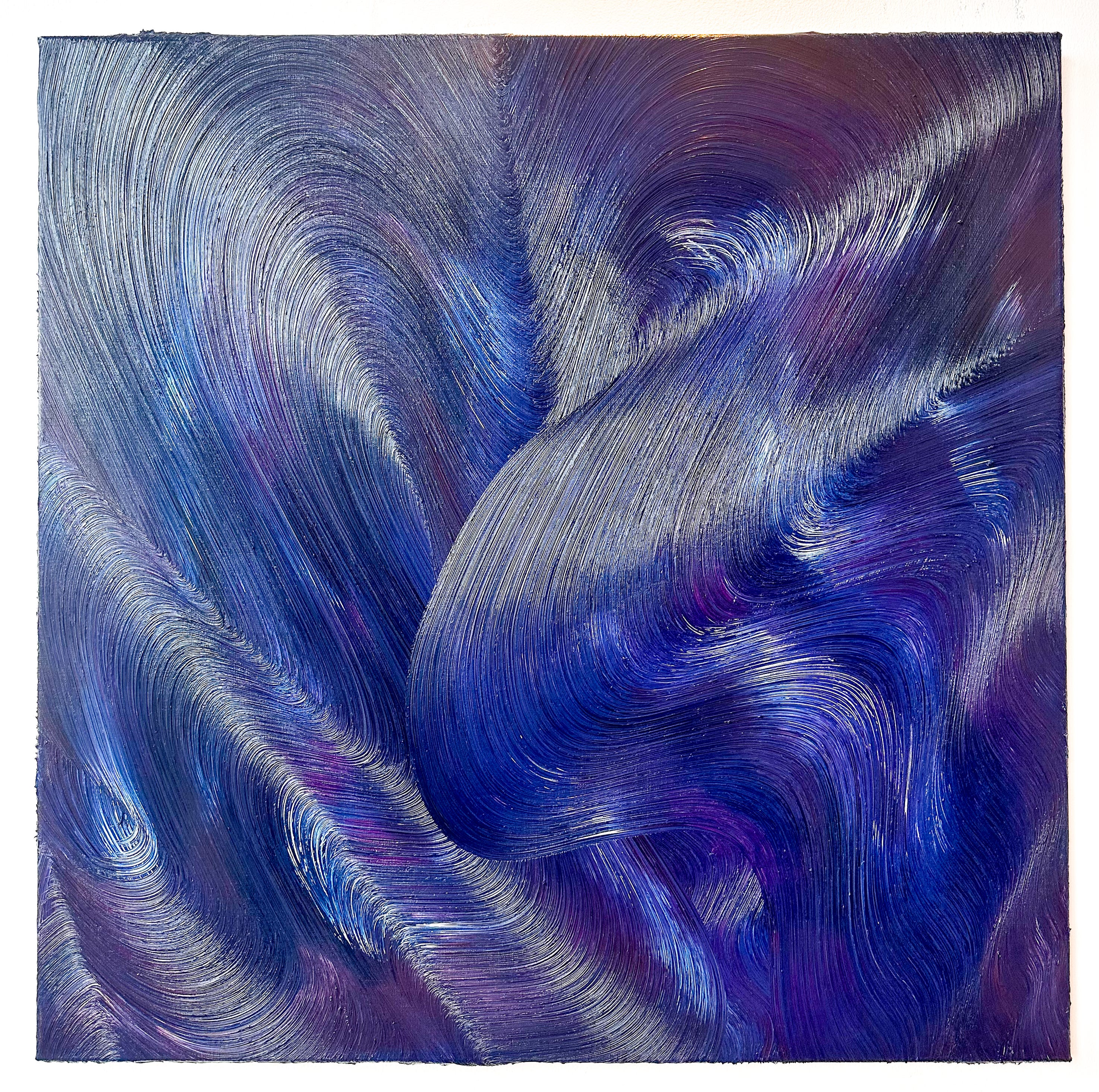
But what do I do the week afterwards? Some days I’m talking to people about their bereaved fathers and how they’re breaking up with their childhood relationships, the next I can’t speak to them again because where does a relationship like that go? I’m taking in all this psychological debt for these paintings. And I’m spent. My life’s derailed.
My head’s fucked, and the only thing I have left to put that back together is the painting.
At this point I can’t figure out how to build a sustainable practice. The quick paintings in Miami are too fast and nasty. I don’t like them and they hurt my soul. These longer ones, where I’m interviewing people and talking to them, are taking months and my sense of reality is always on tilt.
I reach out to someone I really value in the art world and explain how long the paintings take, with the interviews and the making. She says it’s just not sustainable. She’s right.
It’s now 2025 and I feel stuck, I know I need to go back to the drawing board but I don’t know how to start.
And I realise, maybe I need to make one for me.
One for me
I already understand my relationship to love as a force that changes who I am and how I interact with the world. And if a painting, as an object, has any value beyond money, any spiritual value beyond the ornamental or the decorative, then I should be able to make something that keeps me orientated. Keeps me on the path towards where I think I’m going. A mirror that works as a compass. I want it to show me a side of myself that points me in the right direction. Something I don’t quite understand but that I admire and maybe will never really understand, and if I can find a way to love that, maybe that’s enough.
During 2024, the paintings are mirrors of the people I’ve met, and of how I changed when I saw the world through their eyes. Now I know I need to make these mirrors that let me see a future side of me, a way of looking around the corners of who I am to explore the parts of me I’ve hidden. I’m still making mirrors to see myself, they’re just the parts that haven’t yet come out to play.
I begin to think about ideas I love that I could connect to, ideas that exist outside the people I could interview, but that somehow we all experience. Eventually I find Lilith. It’s a name that has bounced around for millennia. In the old story she’s Adam’s first wife, made from the same earth as him, who refused to lie beneath him and left Eden rather than submit. The records differ over what she represents, but what I see is an identity that was ostracised over time because of its power, often labelled as the dark side of femininity, with a connection to the unknown and untameable side of life that we are all afraid of.
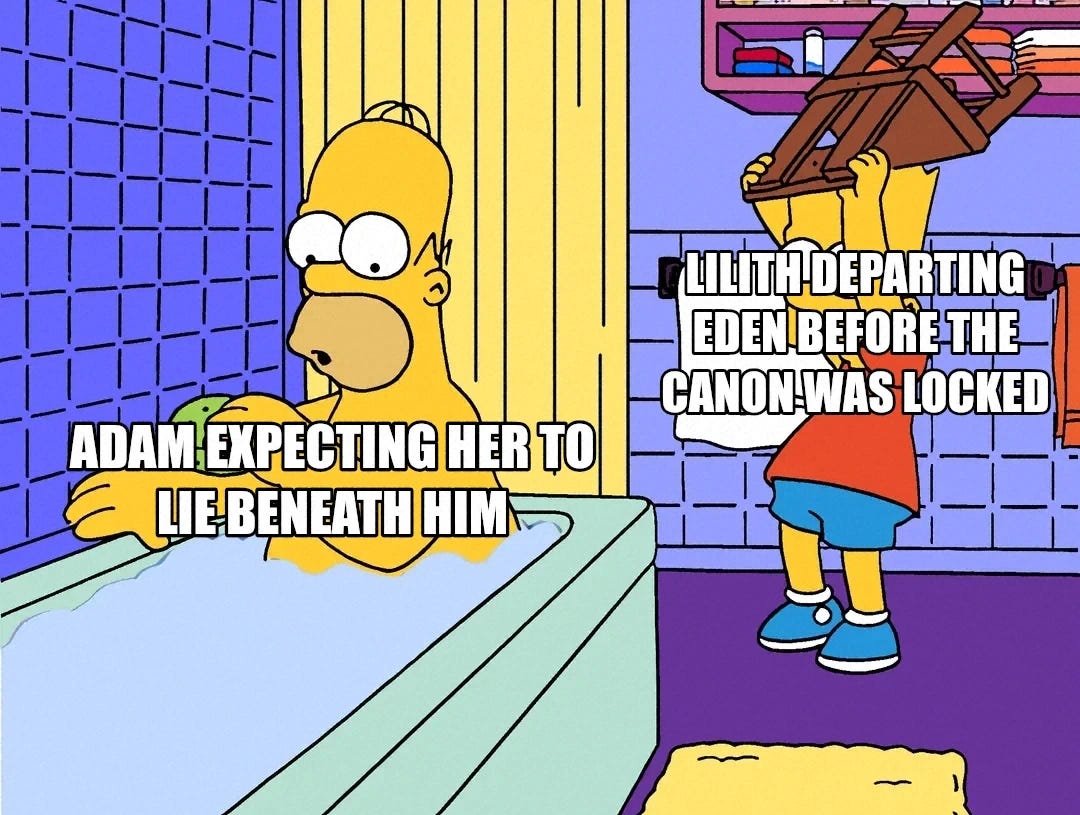
I’d assumed we opposed it because it was strong and scary. It’s a common human trope to demonise this sort of thing, and in that I feel some kinship. Maybe the darkness is just an aspect of life. It’s real, but that doesn’t mean it’s bad. It just is. Our relationship to it is one of fear, because we can’t tame it. There’s so much of this life I’ve chosen to live that is completely out of my control. There are times when I love it, and times when it hurts me so much that I’m reduced to fear. I imagine that’s the same reason we fear this side of Lilith, the unknown dark energy that pulls us around, those that know something we don’t or are not willing to admit.
When I think about men and their fear of the power of women, it’s often because they realise that deep down they’re powerless to it. In many ways, men are simpler beings that rely on logic to find comfort. We build so much structure because we’re scared of losing control to the unknowns of life, and it’s easy for us, because much of the danger we never have to face, unless we go to war. A woman has to face those fears a lot earlier. That fierce love of a child that only a mother experiences, the moment she realises her body is commodified in the marketplace of male desire. We don’t get access to that space. There is simply more at stake, so they have to see further and perceive deeper. I grew up with my mom, and if there’s one thing she helped me understand, it’s that. What a woman knows from that, I will never be able to understand. It’s a compass for what I don’t know.
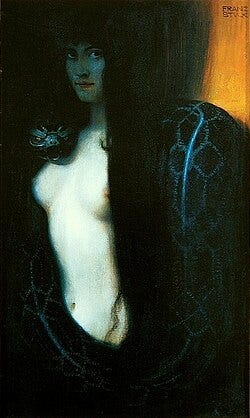
I look through the archives of work I admire on the subject. Franz von Stuck’s The Sin, from 1893, sticks in my mind. That is Lilith. When I first see it, I’m reminded of my second interview with the girl from Habibi. She kept an albino python as a pet. It was the first time I’d touched a snake, and for some reason that combination of lethality and beauty had a visceral effect on me. I take the colours from Stuck, they’re correct. I want that darkness in it. But I also want the feeling you get when you keep looking and the snake emerges, and so does she. She knows something you don’t.
What I know is that I have a love of painting, of making, of creating. Of telling stories about what I’m seeing and understanding on the journey. I’m not a painter in the ordinary sense of the word, but it’s the medium I use to communicate the stories from my world. That’s the only way I know how to live as an artist. Each object that comes out of the studio carries something I’ve learned along the way, and I don’t have a better way of remembering it than making it into something you can experience.
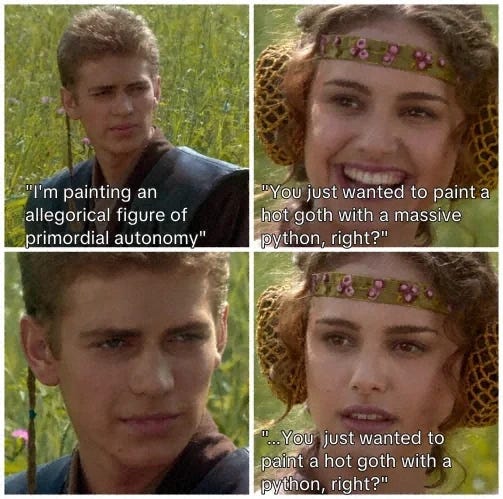
Were I to write it in words, it wouldn’t be right. Language simplifies. It takes something that should live in the abstract and makes it physical and certain, less reliant on our own intuition of what is held in the making of something over time.
I like to think that anyone who gets one of these pieces gets a little piece of me. That’s certainly how it feels. There are a few people on this newsletter who have tried to buy my work, and will gladly attest to how difficult it is to rip one out of my hands, even when they meet the asking price.
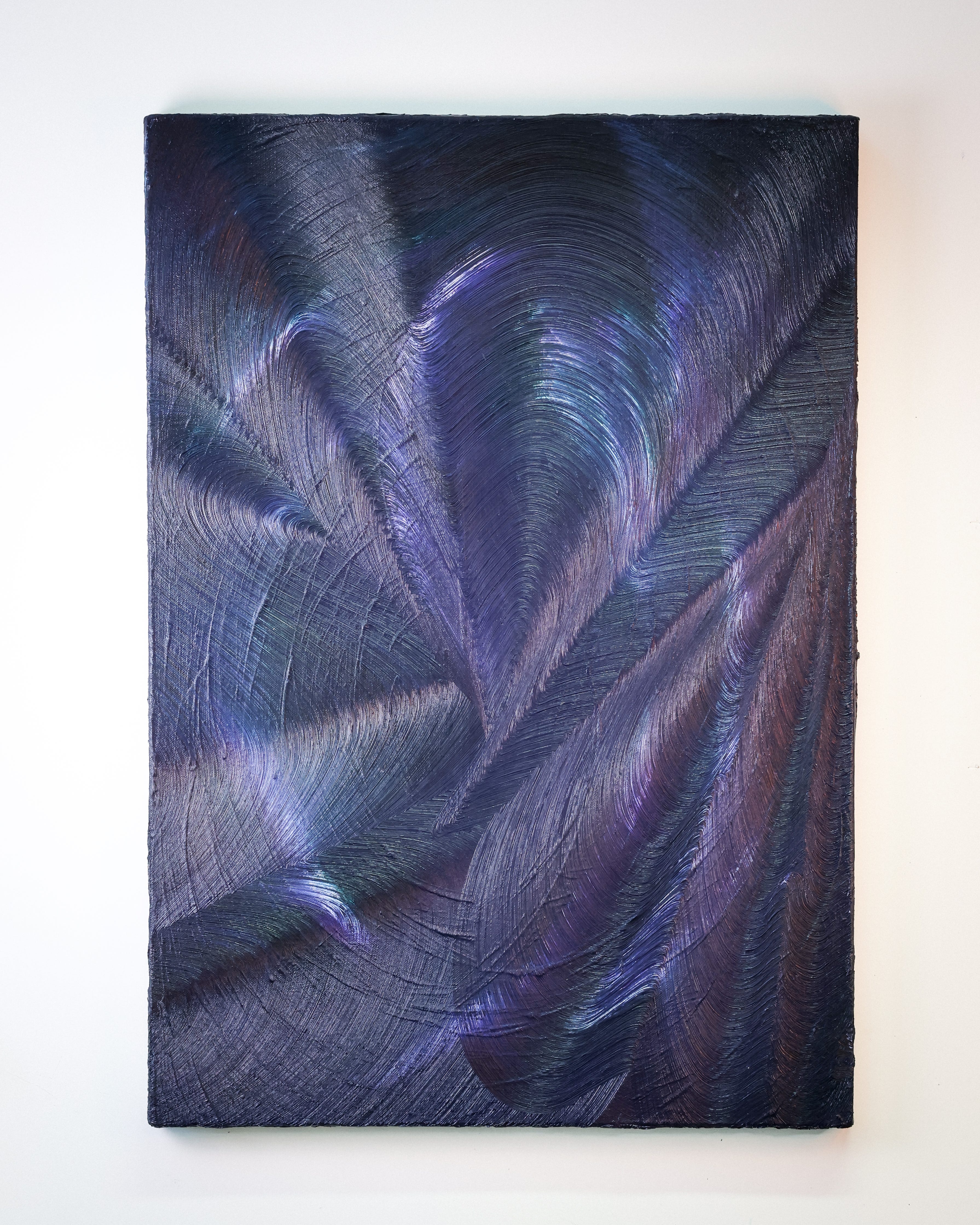
The better the work, the more attached I become to keeping it near me.
Like all things that I love, I know that it will end. Maybe now, maybe when I stop breathing. Maybe that’s why love changes who we are. When we’re in it, we’re always a little bit scared that it’s going to end.
There are two paintings in my studio that have already been paid for. For some reason, those collectors have understood that I just need to hold on to them for a little bit longer. Every day I know that they could call me up and say, now’s the time, I’m ready for it.
I just hope that’s not tomorrow.
Final words
I hope this week gave you a little insight into how I think about the most personal part of my work that I understand the least.
I don’t know where this journey goes, but I do know that the people coming through the studio lately seem to be finding something of value in the work I’ve been making.
I’ll be opening up the studio for visits again in December, I’ll share details in the coming weeks.
I’ll also be sharing a little more about this side of my practice and continuing on from Lilith this week, I hope it’s helpful for you.
I know most people here know me for my work on the street and with mirrors. If you’re willing to go a little bit deeper down the rabbit hole, the paintings are what I have found have the best effect on people’s lives long term.
Love you loads,
your obedient servant,
R x