


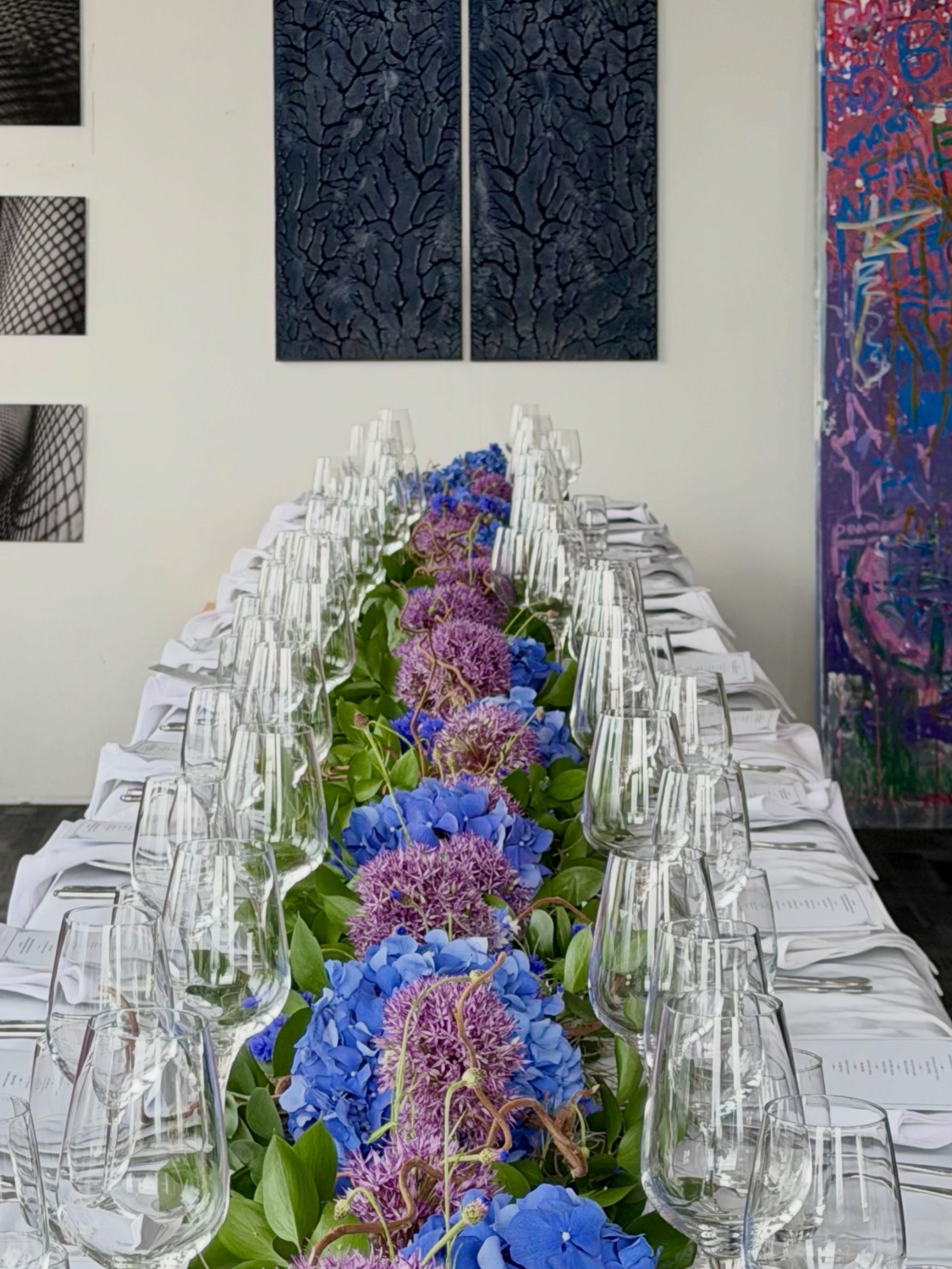
Last week I hosted a thirty-person dinner in the studio.
It was childhood themed and served as away for me to learn a new medium, bring some cool people together, and do what I do best.
These are my notes on what I learned.
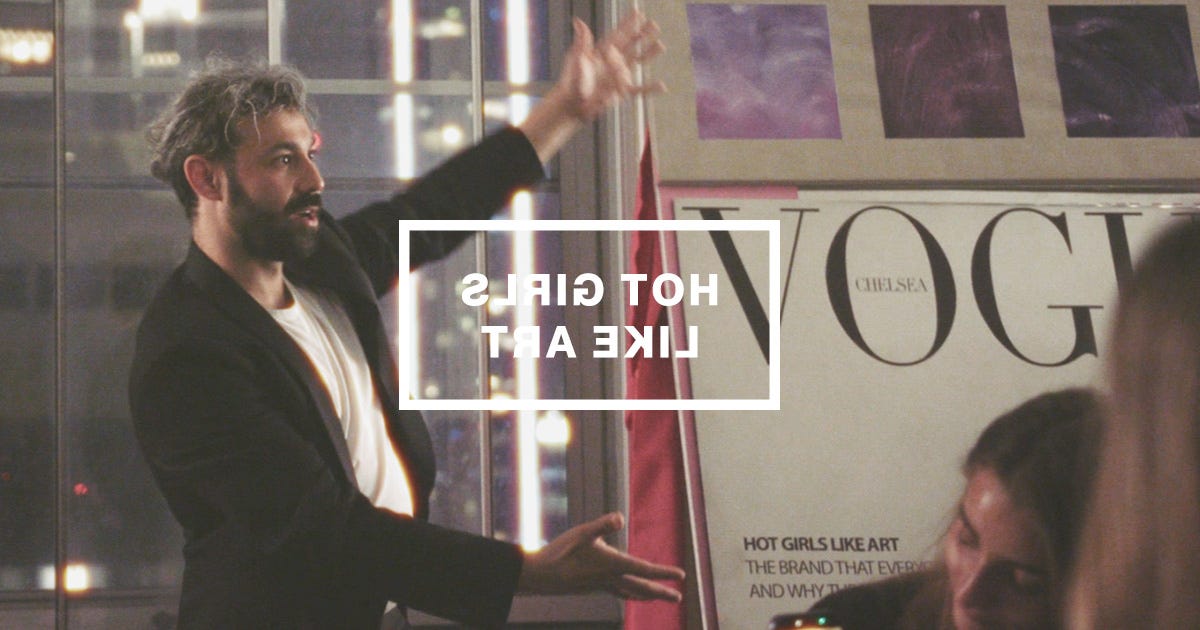
30 humans, primarily strangers from different industries, socio-economic backgrounds and ages. Nobody in the room knew more than a couple of the other guests. Apart from them knowing me and my work, it was a cold room.
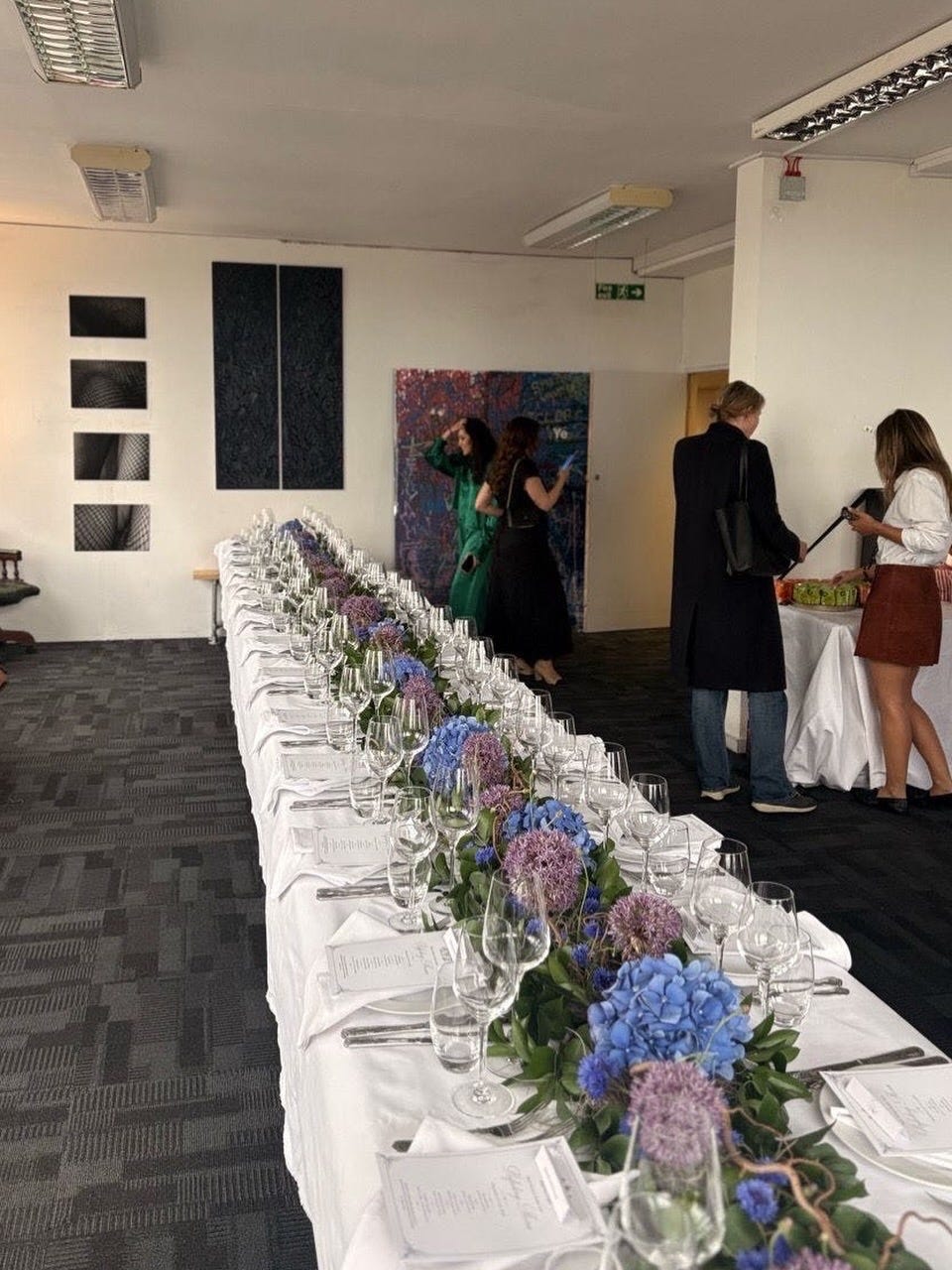
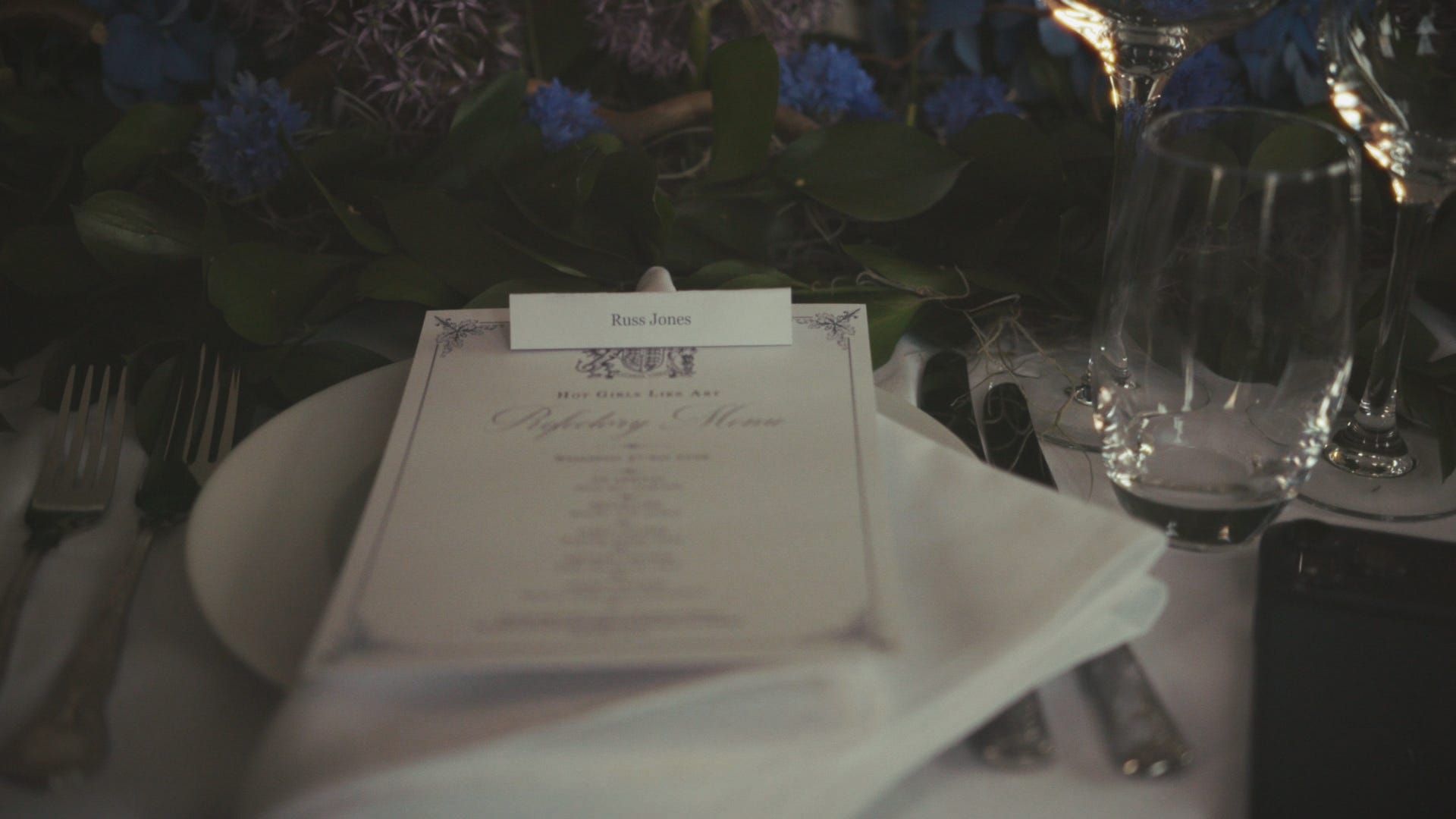
When they arrived the headmaster met them at the door and took their name on roll call. The servers, teachers, were briefed to hold a hierarchy all night: nothing given without something done first. Charades, times tables, trivia in exchange for food and drinks. It looks childish, and like most of what I make, the casualness is part of the camouflage.
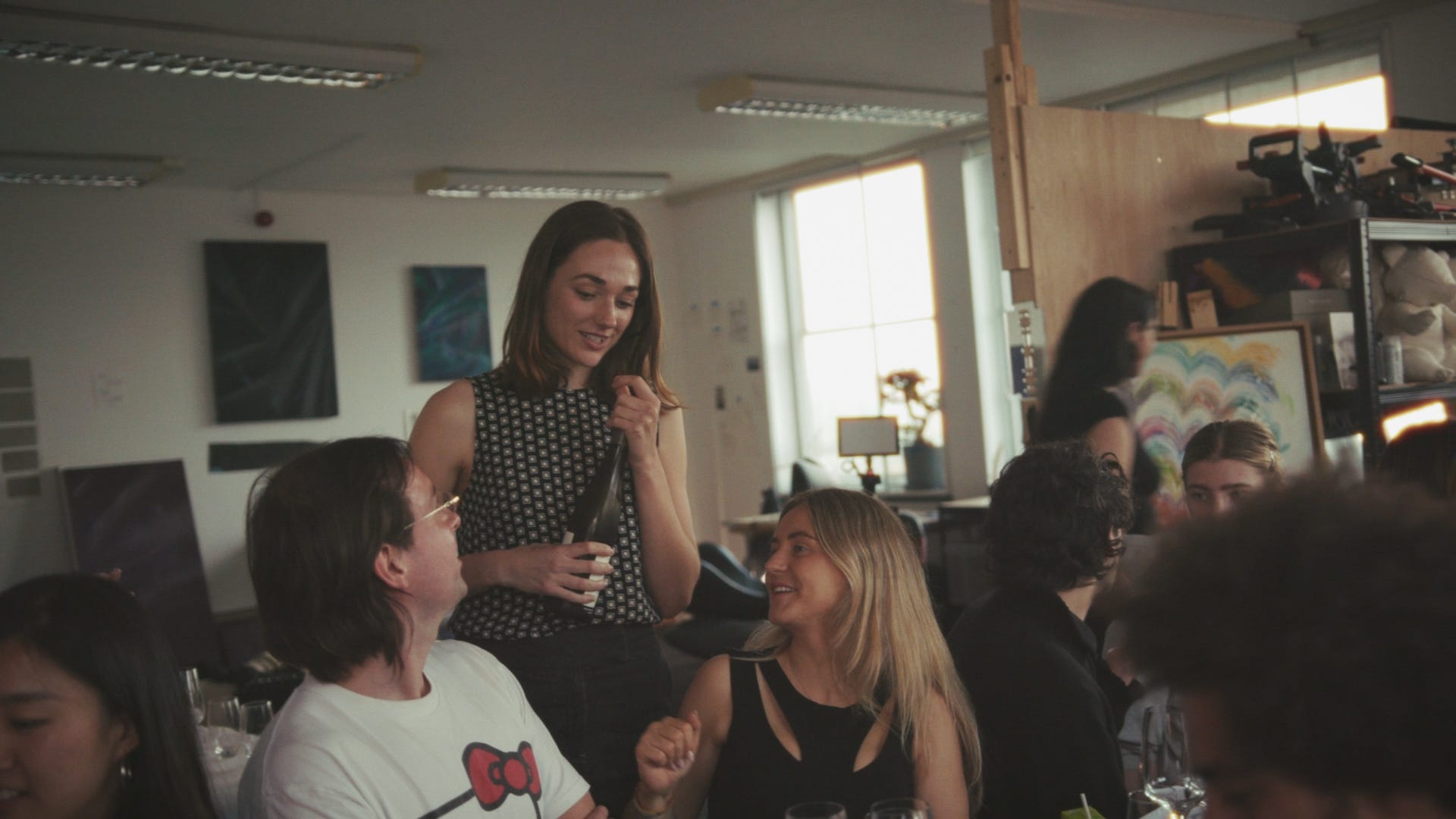
If you drop very different people into a flat room they don’t mix. They cluster with whoever they already resemble. Put a hierarchical system on top and it equalises them. With everyone equally a student, equally subjected to the absurd rules and games, you can begin to strip out the preconceived divisions they walked in with.
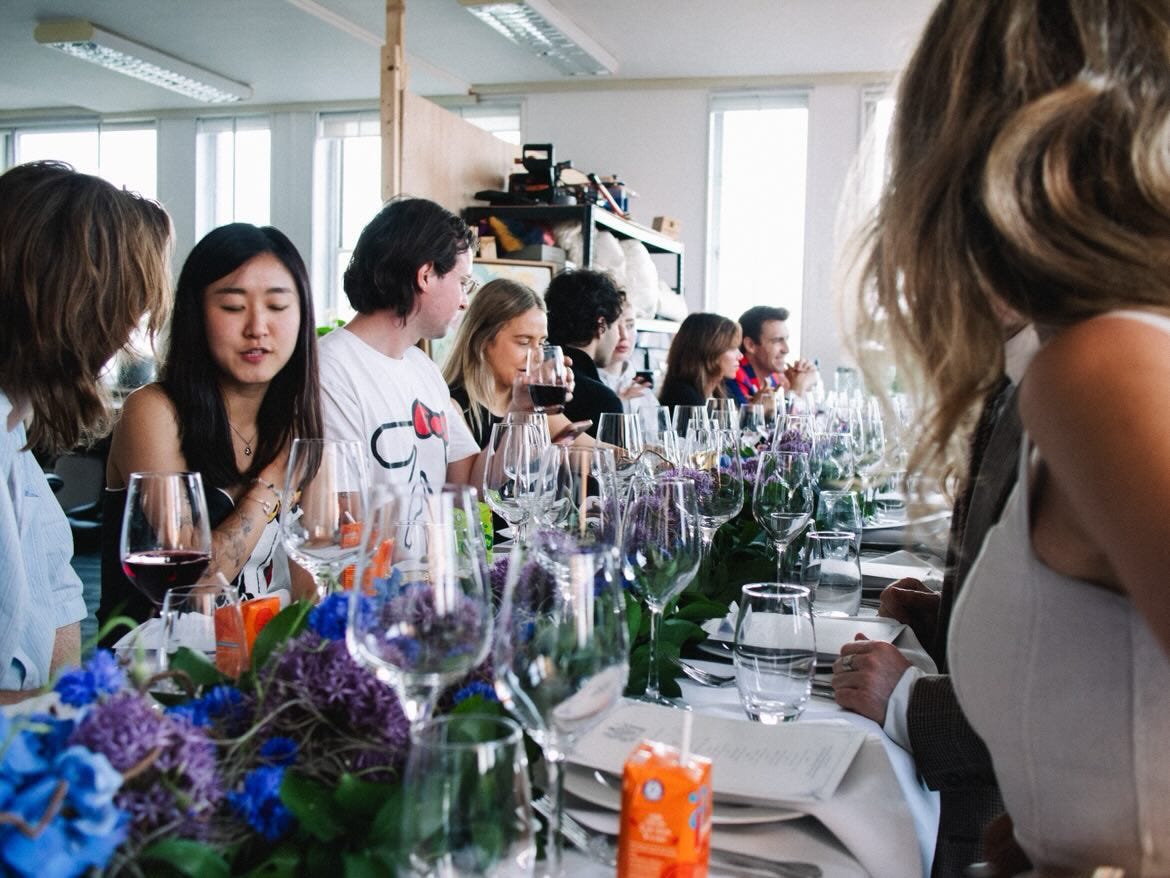
I wanted a room where people who enjoy my work from different perspectives could connect. Collector or new friend, someone who’s followed the work for years or someone who’d never seen it at all, they should feel equal, and the easiest way to do that is to lower them.
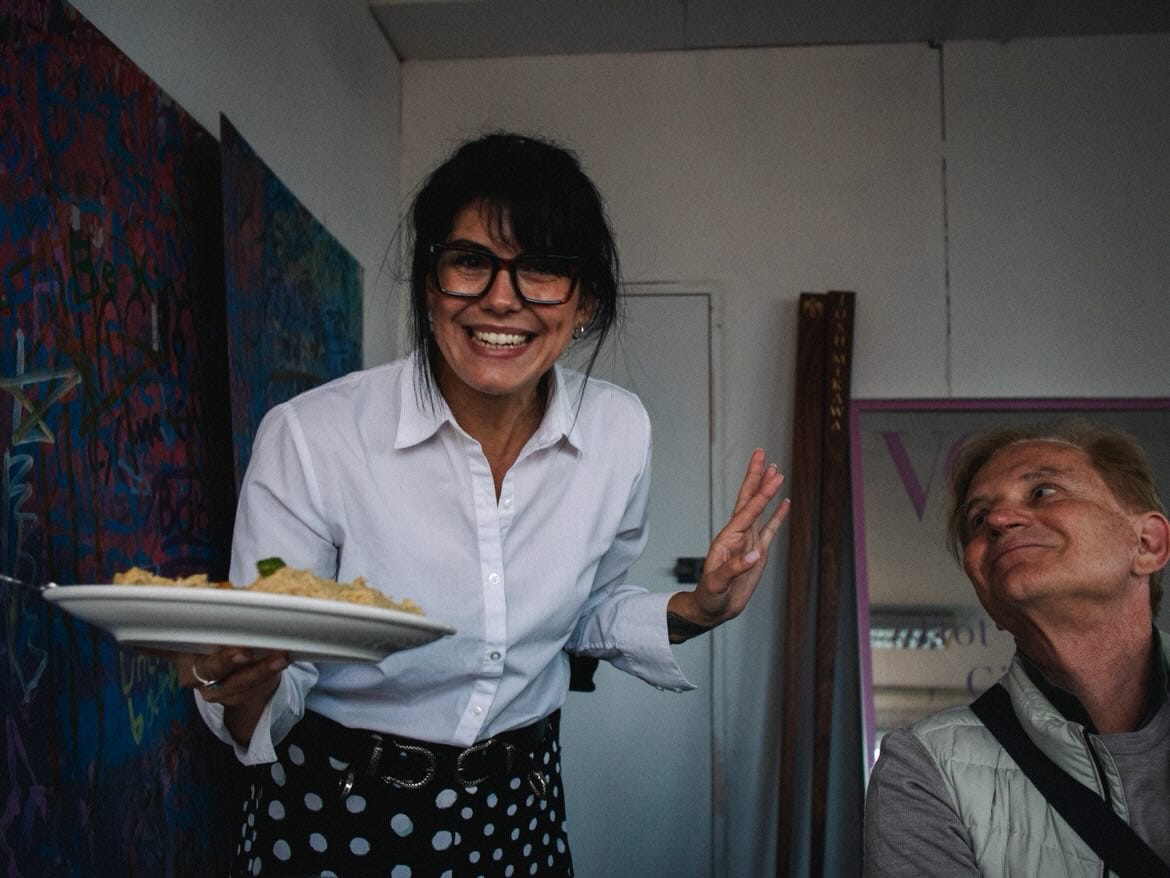
The shared indignity works two-fold: navigating a chaotic situation together bonds a room faster than good wine ever could. A fortunate side effect rather than a stroke of strategic brilliance.
I set the evening up to learn how to bring such a group together, to understand whether you could find stability in a novel experience. Normally I use the space, and the people who visit, to show my work, sometimes to sell it. I’d assumed that idea and this experience were much closer together than they are. They are not. The two things I learned both live in the gap between those situations.
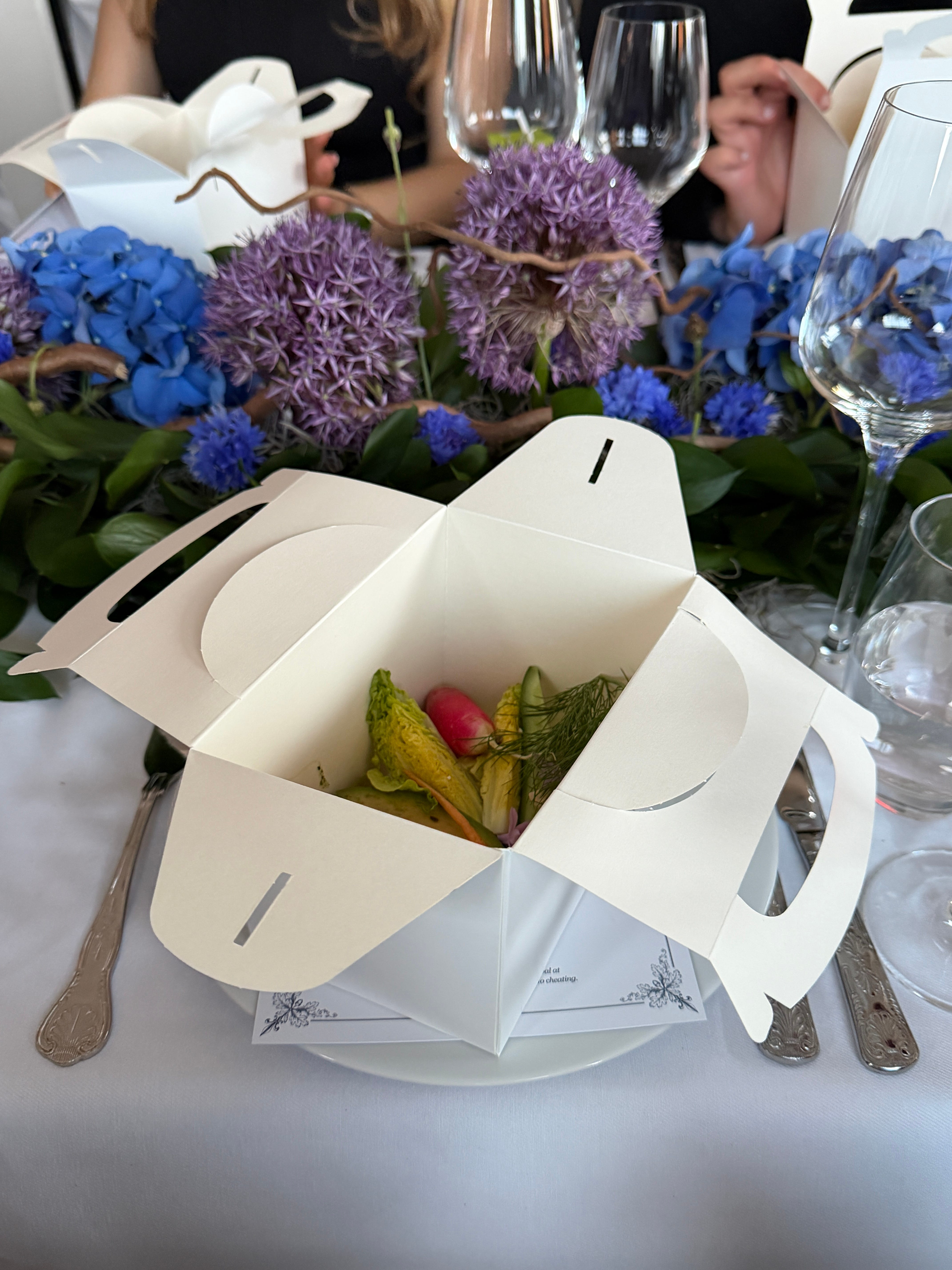
The first is that I lost the ability to see.
In a studio visit I can read people visually. Someone walks in and their eyes flick around the room, snagging on things and ideas as we walk. There’s enough there for me to understand what they’re seeing, to help them navigate the chaos. A split-second where I catch them trying to look at something, and I step in to talk about it. The studio is loud, visually; it’s an assault on the senses, so people need help to navigate it. During the dinner, with music and performers and flowers and food, that channel went dark. I couldn’t read the room the way I normally would.
It took me a while to understand that this wasn’t a weird version of a studio visit. It was a completely different beast. Showing people work and bringing people together don’t use the same systems, it’s overwhelming.
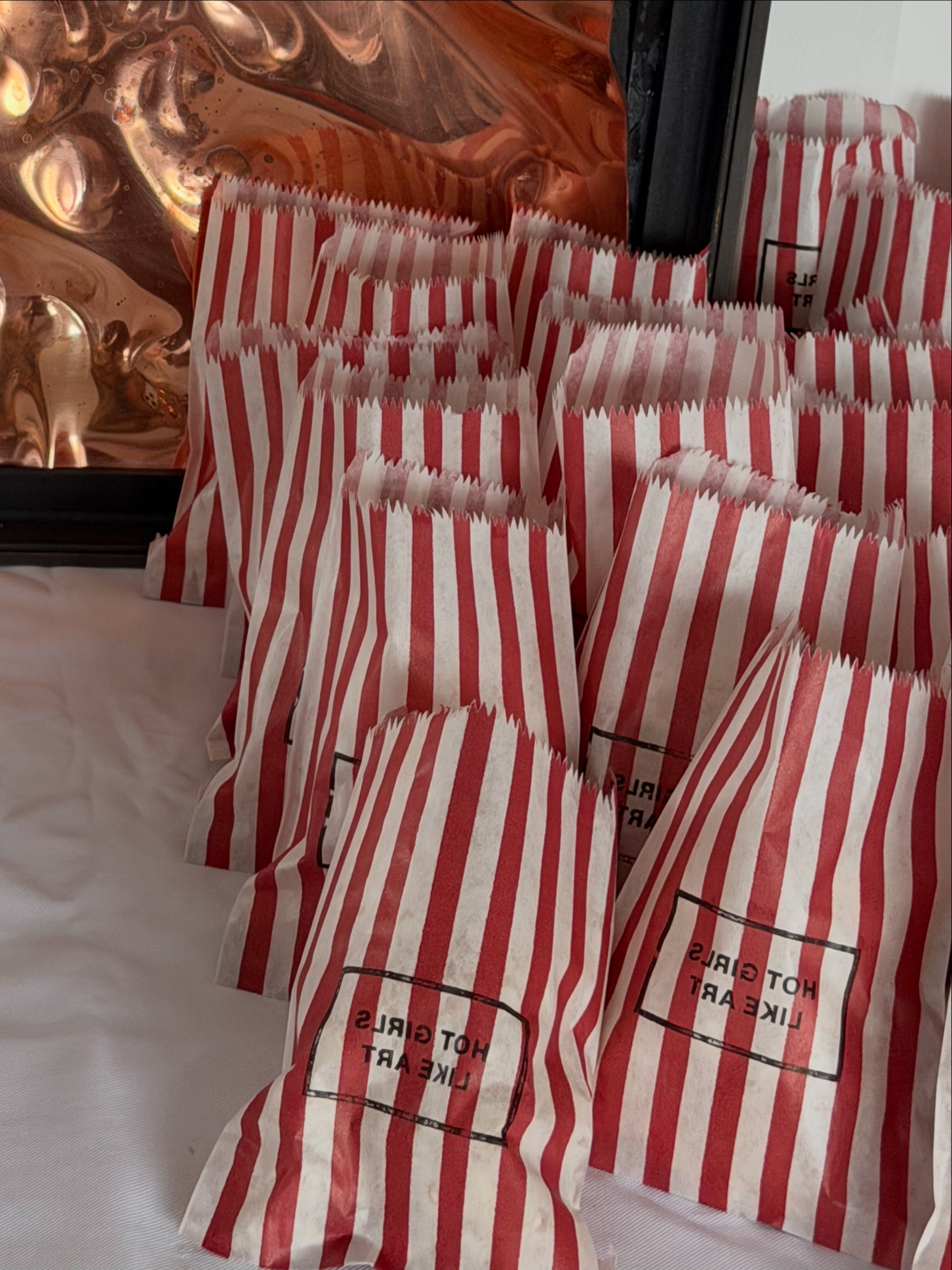
The second thing is a little less clean, it’s a complication between the work on the walls and the work they were in. The game itself is the art. The dinner, the headmaster, the rules, the whole intervention they were standing inside of, that is the medium I’m trying to work in now. It isn’t new to the world; performance artists and interactive theatre have been here a long time. It’s new to me, and what I was really doing was trying to integrate that medium with the work on the walls.
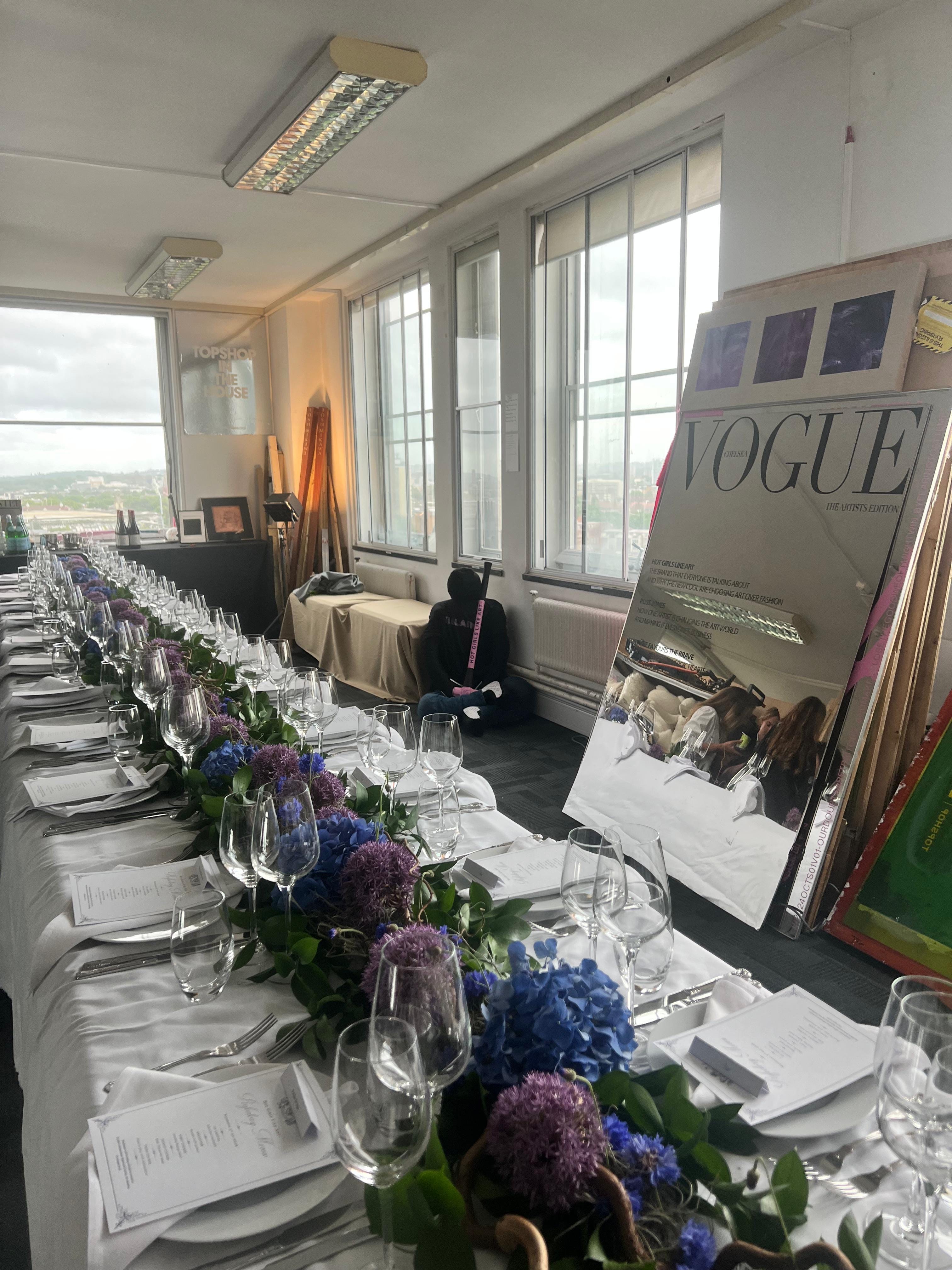
I didn’t especially want them staring at the walls. The game was the thing I wanted them inside of. But I’d assumed the two could coexist, the durational piece running while the objects held their own in the background, and that isn’t quite what happened. The game was absorbing enough that the work on the walls fell out of view more than I’d expected. It was impossible to hold both at once. Which is also why almost no one critiqued the work, even the people who know it well: there wasn’t room in their attention to look at it, let alone judge it. Maybe I simply didn’t draw enough attention to it. Maybe the two mediums need a different choreography than running them side by side. I can’t connect the dots yet, but I will.
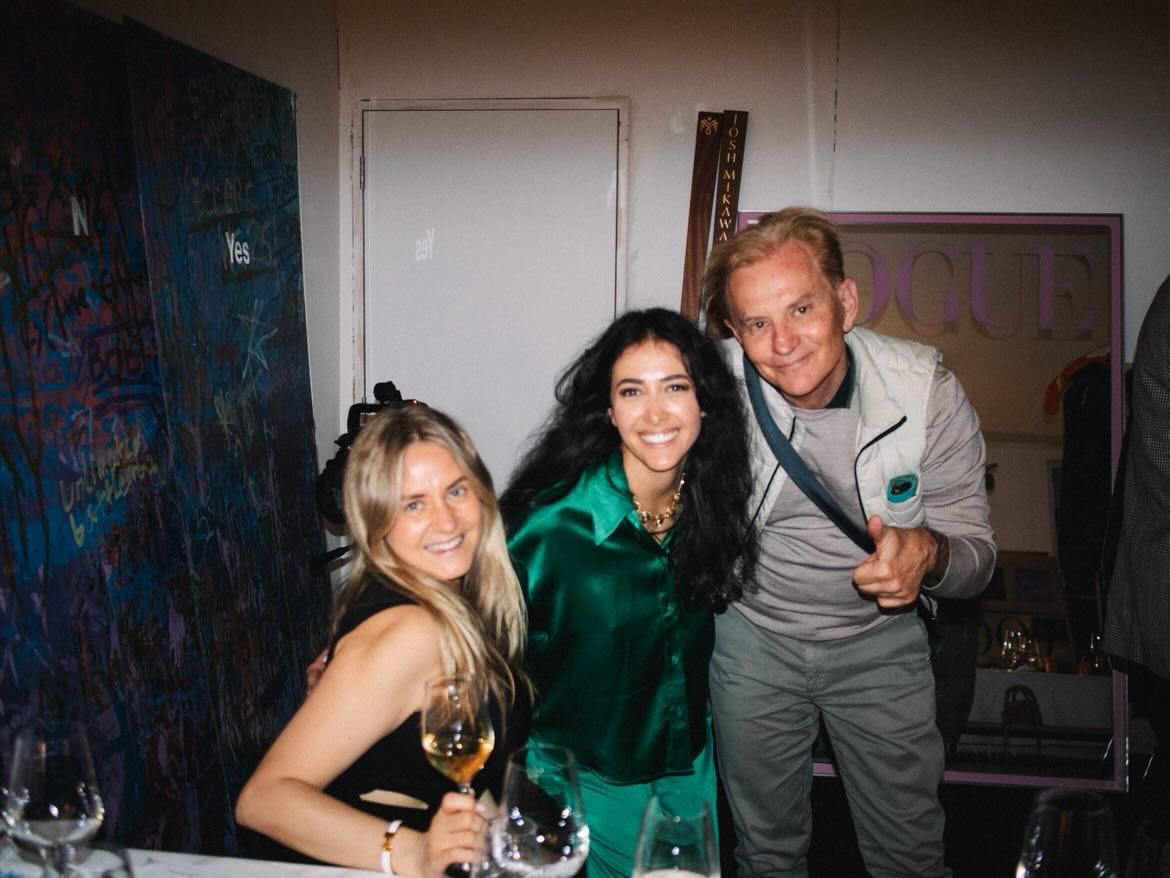
Whats interesting is that almost everyone in the room already knew my work to one degree or another, and it still slipped past them. Maybe that’s a good sign. I doubt any have encountered the street interventions as participants, but I thought they might recognise that’s the game I’m playing with them here. Someone told the filmmaker that’s following me around at the moment that they’d love to be part of a social experiment one day. I try not to think of the work as social experiments, but we both found it funny that they couldn’t see the frame they were inside. Maybe I camouflaged the whole thing too well, and no one quite knew what they were doing.
I went in trying to learn the tools for a new show concept, and what I came out with is both better and more awkward than I’d hoped. Everyone left with a good feeling. The game built something that is scalable in a way that the objects I make can’t be, so there’s something in there that takes it beyond a fun night, something that could work with a far wider group than the people who already follow the art. But at the moment, it’s strength is the problem. As it stands the game is absorbing enough that the work it’s meant to sit alongside drops out of view. If I can’t integrate the two more tightly, the new medium doesn’t carry my work to a wider audience, it crowds it out. That’s the next thing to solve, and I don’t think one dinner is going to be enough to solve it.
I’ll continue my thoughts on control next week.
love you loads
R x