The bell rings
‘service’
‘yes chef’
I turn to the kitchen
they’re moving
maybe faster than I am
Good.
I need them tonight
yesterday was a mess

the accounts are down
and what I thought was a good batch of john dory
seems to be coming out like rubber
but while they may notice
that the seams are under tension
the tables cannot
there’s no star on the wall
and no critic in the seats
but I look out and I see at least three people I recognise
they know me
and I know them
but we will never sit down for coffee
the front row of my show
I could tell you their order before they came in the door
I could even tell you their birthday
or the nights they like to eat well
but what they do for a living
or where they live
shot in the dark
all I know is they like what I do
and they keep coming back
I’ve seen the suits
the writers
the adjudicators
the ones they tell you can make or break you in this game
I can tell who they are as soon they come through the door
you can smell it on them
I know when they’re here I have to work
I have to make a show
but for the ones at the table
I want to
they’re here because they want to be
they’re going to be here when the papers stop writing
and the crowd thins out
they’re going to be here because we have an understanding

Welcome to the 133 new subscribers this week, happy to have you here. Use the comments section at the bottom of the email or the chat on substack to keep talking. Video will be up on YT and IG tomorrow, Enjoy!
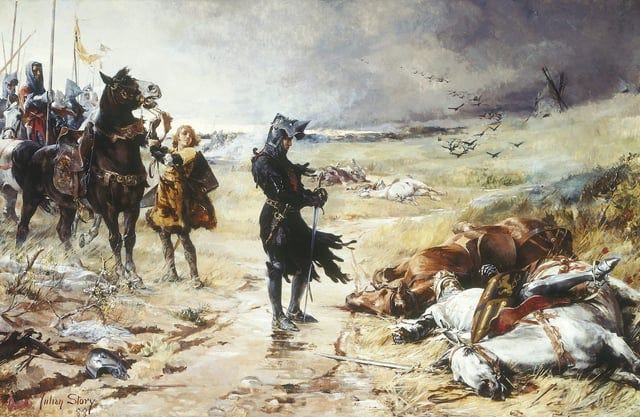
The painting is of the Battle of Crécy, fought in the Hundred Years’ War (1337-1453) between England and France. A victorious Edward, the Black Prince, Prince of Wales, stands over the lifeless body of King John of Bohemia.
King John took part in the battle with his fellow knights despite being completely blind. He held ropes connected to the knights around him while they ran into battle. John knew he would die, but still chose the path that most honoured what he was devoted to.
The spoils of victory are sometimes greater than the territory we seek to gain. Sometimes it’s the manner by which we manage our newfound responsibilities.
After the battle, the Black Prince took King John’s motto, Ich dien (”I serve”), which can be seen inscribed on the breastplate of John’s horse in the painting.
While King John lost his life, the most important part of his kingdom was kept alive.
Ich dien is still the motto of England’s Princes of Wales.
The crown’s weight is often heavier than the gold and jewels it contains.
Ambition
I’ve had the fortune of seeing the world from a few different perspectives. I’ve been lucky to work with some of the brightest and most devoted humans on the planet, and I’m even more fortunate to have a small group of them collect my work.

The ones that really make a difference, good or bad, are often more than ambitious. They are devoted. They hold a position of leadership because they serve. Whether it be an idea, a client or a location, they live in service to something bigger than themselves.
I remember sitting with a Swiss banker who had taken an interest in my work. He and his wife shared parts of their collection with me and showed me what they loved. When it came to their worlds I thought I had little to offer, but they listened. Both of them managing billions in funds; me, a homely artist who knew a few dudes and dudesses with interesting startups in their sectors. And I realised the devoted will always listen.
The world is full of people with big dreams and even louder voices. The human desire to display success over achieving it has only been exacerbated by modern consumerism. There is a world of things and accolades for us to buy to pretend we are successful, but doing the work is never about showing we’ve done it.
To achieve, we must make sacrifices. Where we allocate our time and resources is what we value: some will spend on comfort and medals, others will devote them to the cause.
The first sacrifice devotion asks for is ourself. Otherwise the work can never become larger than the person making it.
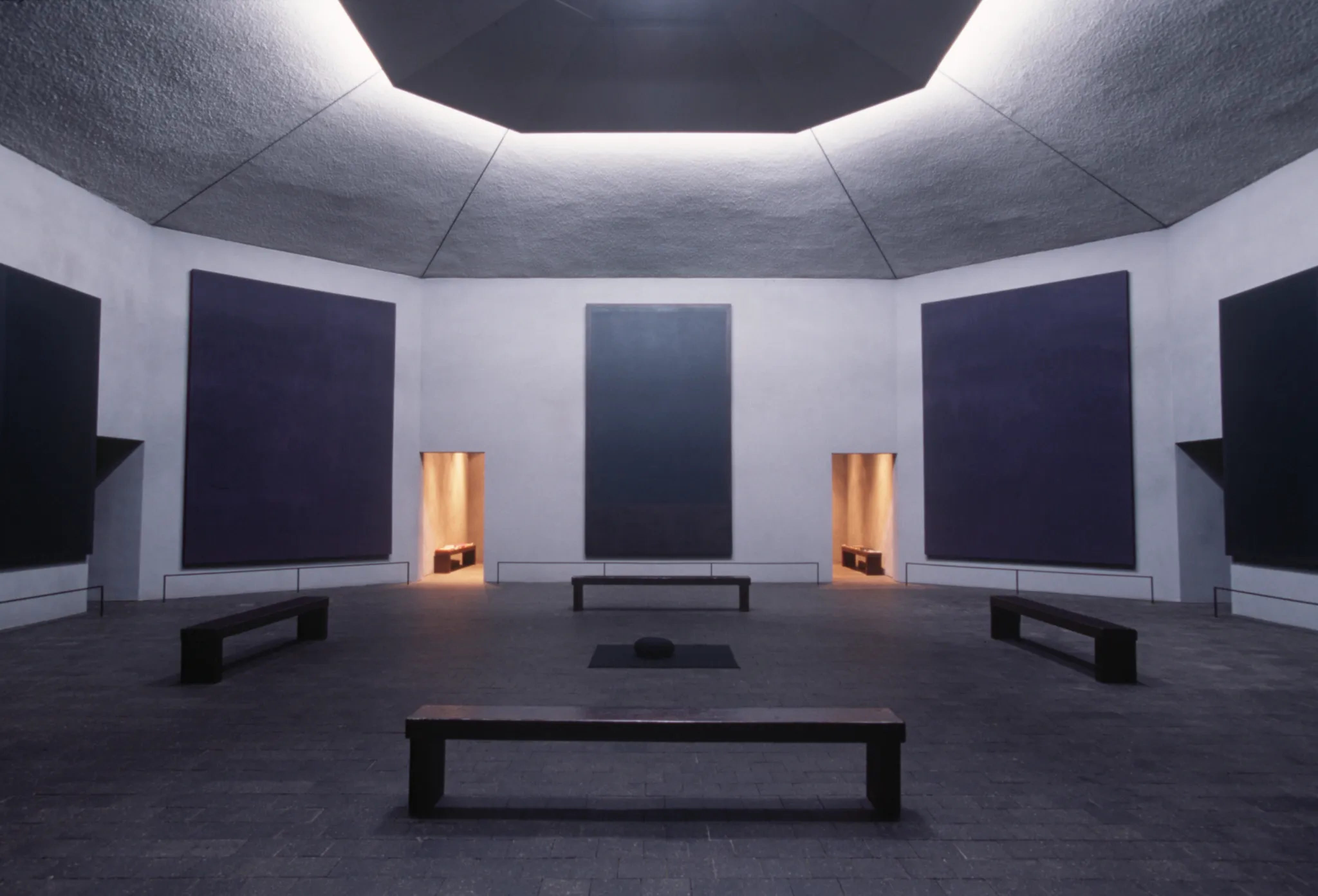
The ego would rather suffer in familiarity than die in transformation.
I’ve heard the speeches. You have too. Ambition wants to be right; it is loud and seeks to prove. Devotion wants to find a way forward; it listens and seeks truth.
Complex
That isn’t to say that all service is good, and I’m not saying it’s easy either. People serve all sorts of things throughout their lives, whether it be nations, religion, their families, the corporations and dictators they work for, even beauty, science, or, on the other side of the spectrum, addiction.
For me, it’s the highest form of love: the sacrifices we’re willing to make for some external idea, perpetually devoted to it, maybe our whole life.

We can be in service of many things, but to work for something is to be in service of it. Every day we clock into the company, we’re in service of the values it espouses. When we don a football shirt, we become part of the whole and all that it represents.
There isn’t a moral basis to devotion. Everyone’s entitled to devote themselves to whatever they want, and every atrocity in history has required the devotion of some group of people.
Service is a multiplier. It amplifies whatever else sits above it. But when you feel it on the other side, when you feel someone in a position of service to you, whether that be a well-presented restaurant or a religious experience, the feeling is palpable.
Muses
I’ve been looking at the muses and their role in the arts for a few years now. When we, as a society, realise the current paradigm isn’t working, we look back in history to some aspirational period where it was. For me, in the arts, it’s ancient Greece, where the artists and the thinkers steering civilisation were one and the same. It would be folly to copy them; we’ve come too far in too many fields. But maybe aspects of their process are still relevant now.
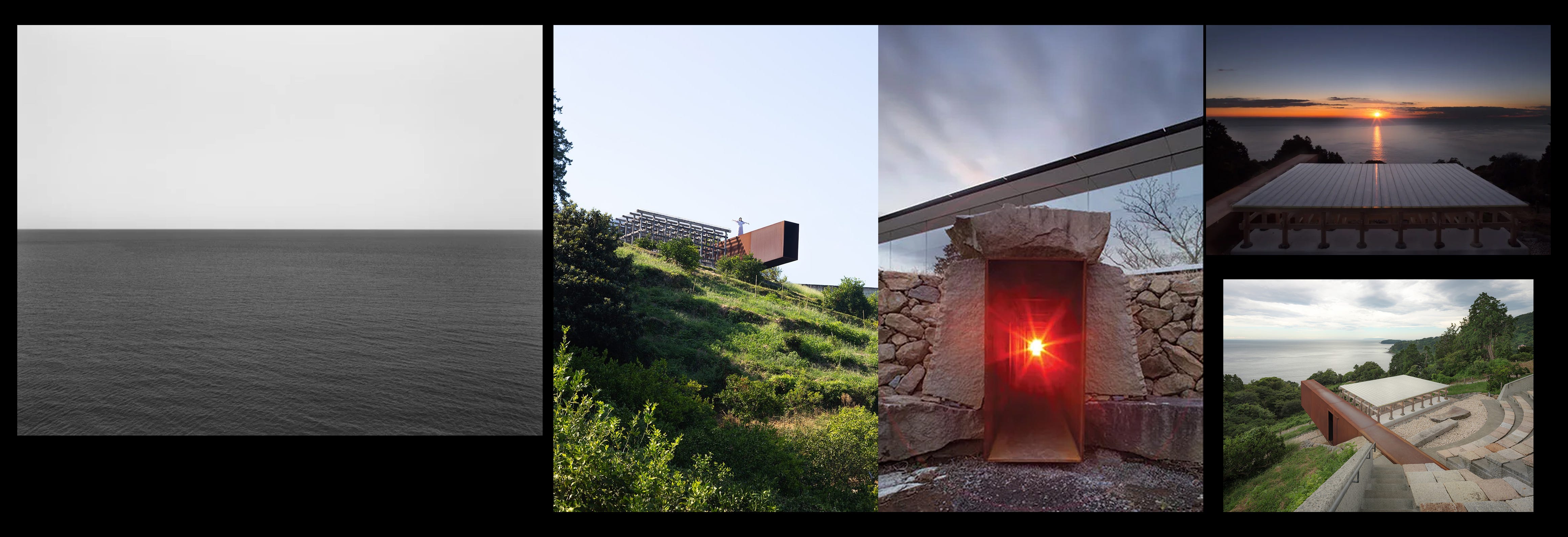
The ancient Greek thinkers and artists devoted their works to the Muses. There were nine, each covering a specific sector or idea within the creative world, ranging from astronomy with Urania to love poetry with Erato.
Maybe it’s not a collectively exhaustive list in the modern world, but it removes the ego from the creation. What they’re doing becomes more about discovery than a performance of success. It’s the creation of art as a service, the enclosure around it a shrine to the process rather than the result.
Call it a false idol if you like. As a psychological tool, at the very least, it allows the artist to stop asking, “Is this good? What will people think? Will this make money?” and change the frame: “Does this continue an idea and help me explore it more coherently?”
Devotion to a muse, or any higher idea, places the judgment outside of us. A fallible individual can’t be objective about their own work; they can be objective about whether the idea moved forward.
Art
Artworks don’t have authority. They can’t make you do anything. That’s part of their value. They are honest because they ask nothing of you. But art itself has always held authority. You don’t have to scratch too deeply to hear someone say that art can change the world. But how? Why?
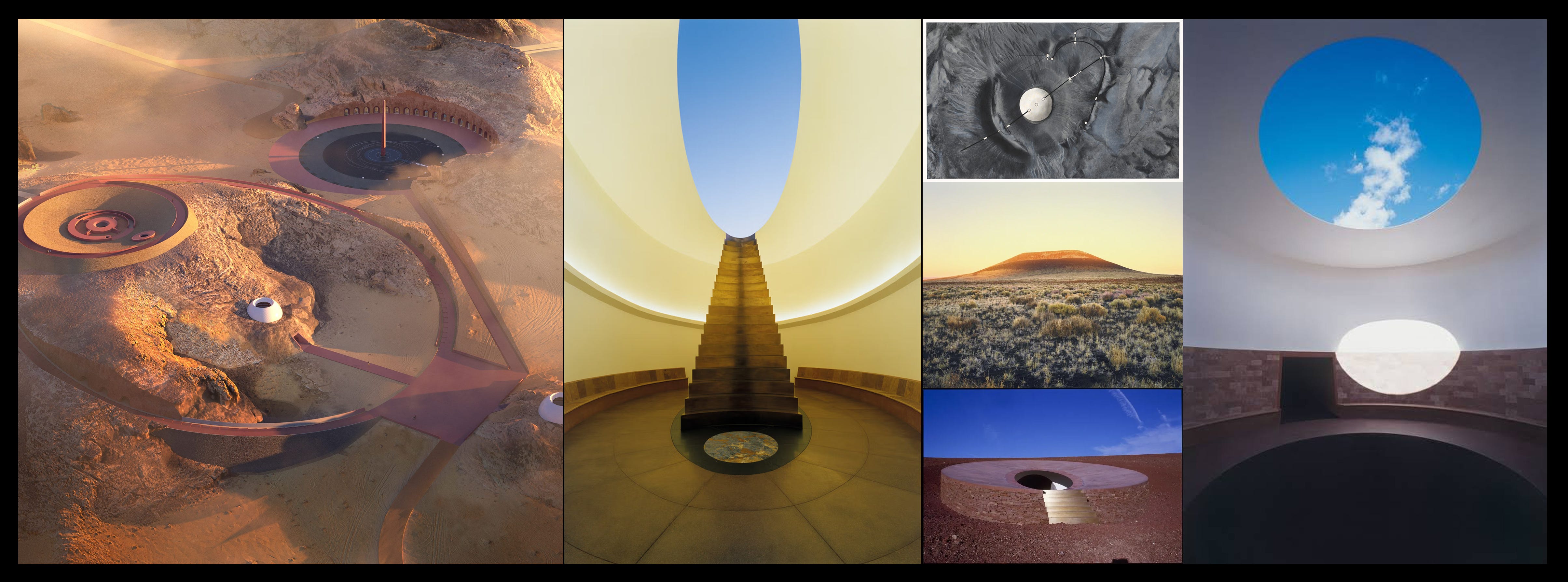
The artist has an idea that serves civilisation. They may serve one element of it, whether it be death, memory, beauty, love, war, or power, but their devotion to that subject means going further in that space than anyone else, irrelevant of what the world is doing. The further they go, the more unique the perspective they can offer the rest of us: a vantage point from some conceptual plane, a bird’s-eye view from a journey no one else has taken.
When I look at the art market, which is distinct from art and artists, I see a collective of institutions serving their own narrative, and I don’t know if that narrative is always civilisation. If anything, it has begun to serve the culture it has created. Trying to fit into the group it built, and the rules that define it.
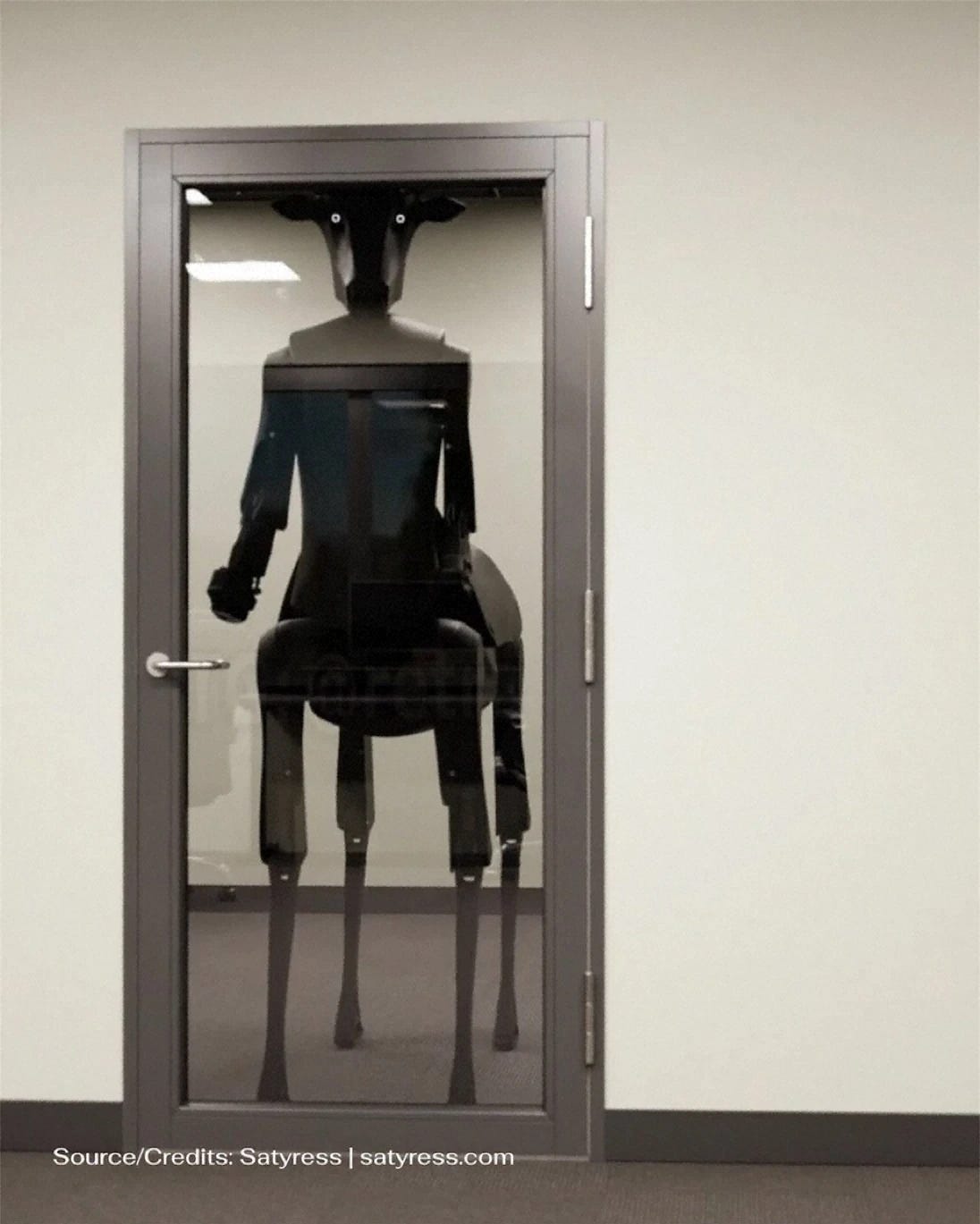
When art begins to serve itself, it loses its authority in the wider world. Who wants to follow someone who only looks after themselves?
Art is a service. Firstly to the idea, and then to that idea reaching as many people as possible. If the institutions don’t act as a vehicle for those ideas, they will decay. The drawbridge comes up, the gatekeepers stand strong, and people realise the castle only looks after itself. The fields are outside the walls and the harvest will feed another court that will open it’s doors with a smile.
Poets Corner
Nugae

Feeling different
led to differently doing
nothing much the same,
led to making sense
at the border of sense
and nonsense at all.

Nonsense has no wings
but still attempts to fly,
nonsense is a life that
leads attempts to die,
nonsense is a poetry
poesis est nugae.

- Thomas May
Final Words
Art is a personal endeavour.
It only needs the maker to enjoy it to exist.
Once shared, it belongs to those who consume it as much as it does the creator.
If anything, it's more theirs than those who present it.
While you may get more enjoyment from understanding the process behind it and the context it sits in, that's a choice that can only happen when it's made available to you on a plate that you’re used to eating from.
That's the service I feel is missing.
love you loads
r x