


If I learn to write you letters,
the next time I hold your hand
will it be possible to forget
how I held the pen
when I spoke to you last
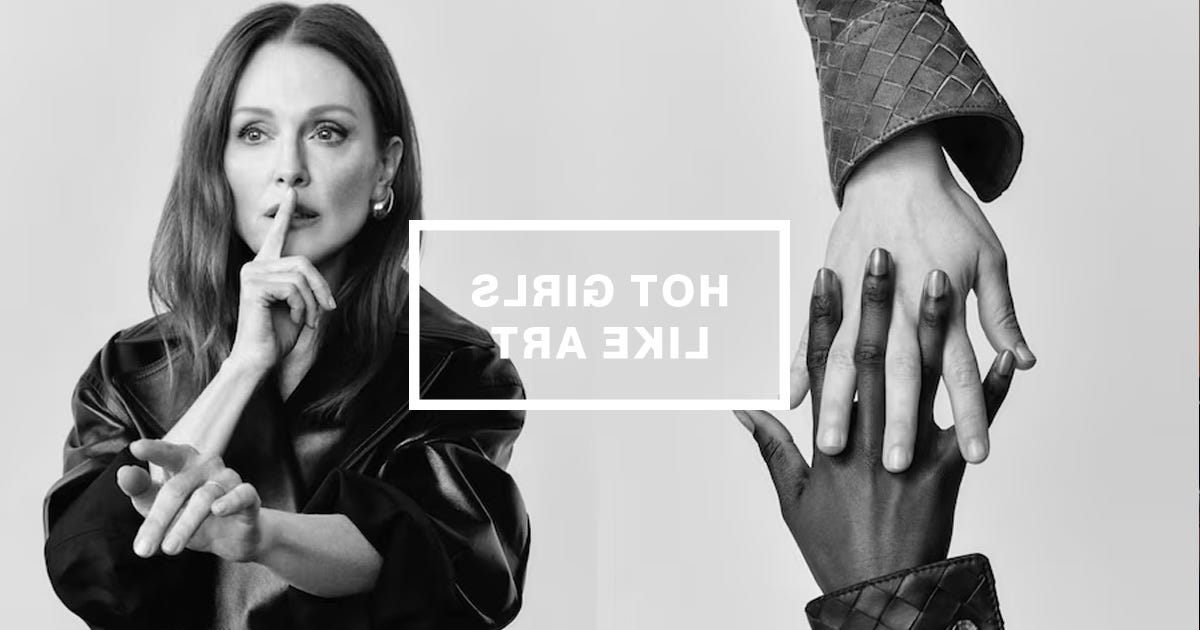
How does one scream when their mouth is tied shut?
We all have some amount of buried anguish that we can’t figure out how to let out of our bodies. Some of us swallow it. Others let it find a route through another channel. Once it’s out, if the world can’t hear it, it gets louder and louder until it resonates and we become whole.
I have a deep desire to feel free. Far beyond the expectations of those around me. I feel constrained where most would find comfort. Often when things get too close, even when they’re in my best interest, I push them away to give myself space. But where I do feel freedom is in my work.
Maybe this is what happens to all artists. They have something inside that they need to express, and common language isn’t sufficient to support it, so they have to build their own way of being heard or seen. Eventually the craft satiates the noise enough that people begin to see it.
Communication
Art has always had a communication problem because it is an unlimited number of people saying things in ways that haven’t been said before. We try to organise it through mediums that we recognise, convention, and institutions that can help people along the road. The reality is each of these humans is finding a way to express something that they couldn’t find elsewhere. Without the right language, we can’t reach one another. So, we build one.
Fashion, as an expressive medium, looks to provide some way of us expressing “us”. While there are unique perspectives within it, fashion is what the crowd defines it as at that moment in time.
I’ve been saying for a few years how the bridge between fashion and art is functionally beneficial to both of us. Watching Frieze this year, everyone is talking about the clothing. Maybe the clothing provoked more than the objects this time. Maybe that’s part of the bridge that needs some work.
Space
I’ve been creating environments over the last six months to remove the social conventions of meeting one another. It requires a lot. We are attached to our egos, especially those of us who have been successful because of some deep trauma and found some solace in whatever ego we’ve managed to create.
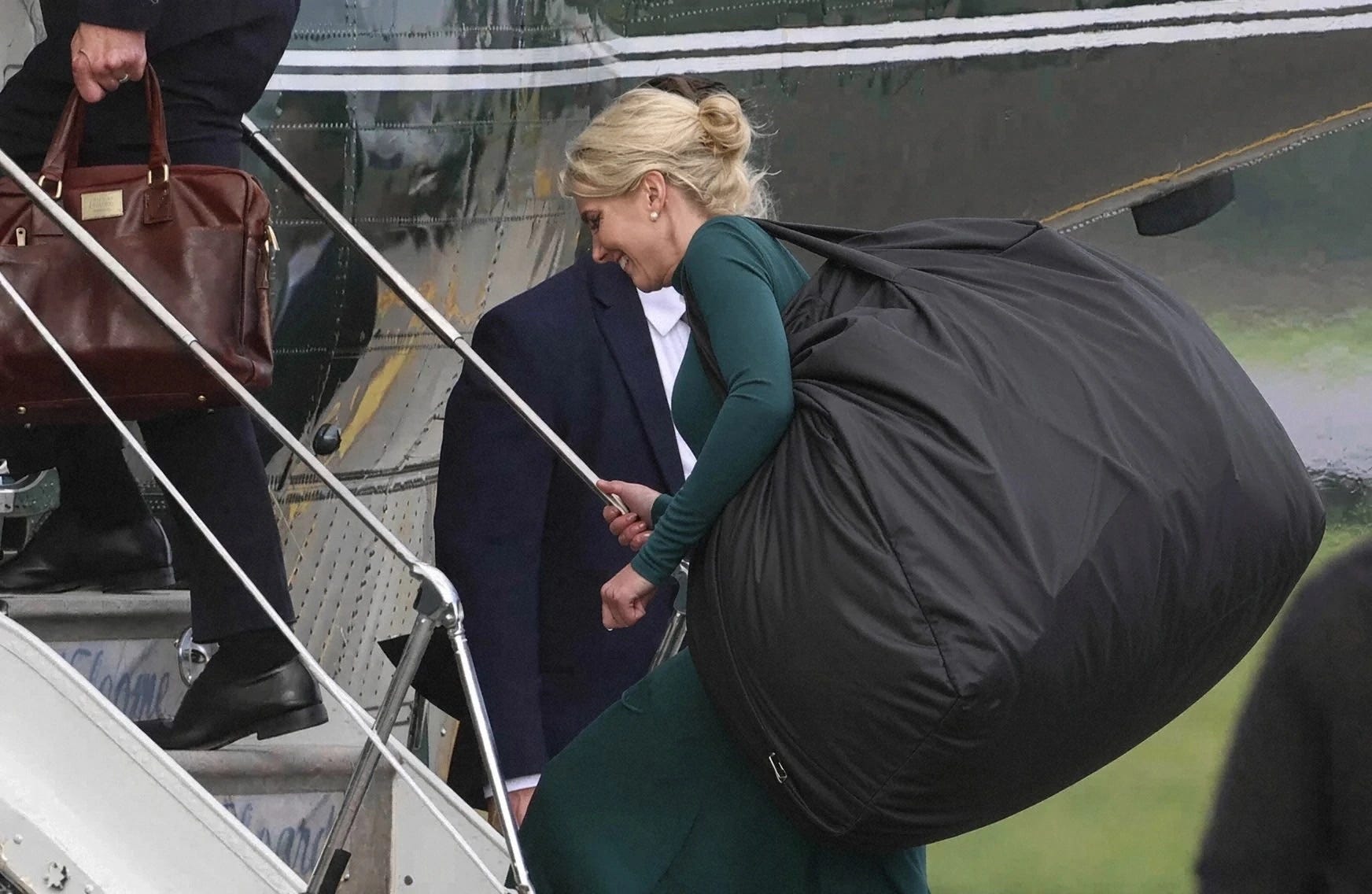
The art world is full of these. Collectors who feel they should be listened to because they have pockets. Artists who feel they should be heard because they are somehow unique and have yet to be killed by the industry around them. Curators and gallerists who understand the shape of the commercial and can open and close the doors to whomever they want. Those formalities, in language and in mannerism, stop us talking to one another as humans. We become overly civilised, we become brains in a world that requires hearts.
I don’t want to have to be overly civilised when I’m trying to be myself. I don’t want to be interrogated when I’m trying to connect.
When we see one another for our deepest aspects, as we do when we play as kids, we find out what the next phase of the game is naturally. That is beautiful. That is where we grow from.
Frieze is the opposite of said game. It is the stacking of all the Lego in the playground so that we can impress the teachers. It’s the art world equivalent of show and tell. But we’ve invited all of our parents, dressed for the occasion and rehearsed all week. Let’s hope the headmaster claps.

Fashion
Fashion loves that we have the price tags in art that they could only dream of in couture. Art loves how cool fashion is: the parties, how well it fits into society, and how much everyone wants to be a part of it.
If you imagine us at school, fashion is the longed-for and pedestaled popular kid, the one that can have the best clothes. Art is sat on the edge of the group, creating things that nobody is asking for but everyone can see. In certain classes they sit next to one another, and in those classes, they have the most beautiful of friendships because they are both isolated from the pack.
They have unique perspectives on the rest of the group, and sharing those perspectives illuminates different parts of them. They share some commonalities in their language in that they are both, to some degree, visual. They use their eyes, amongst other things.
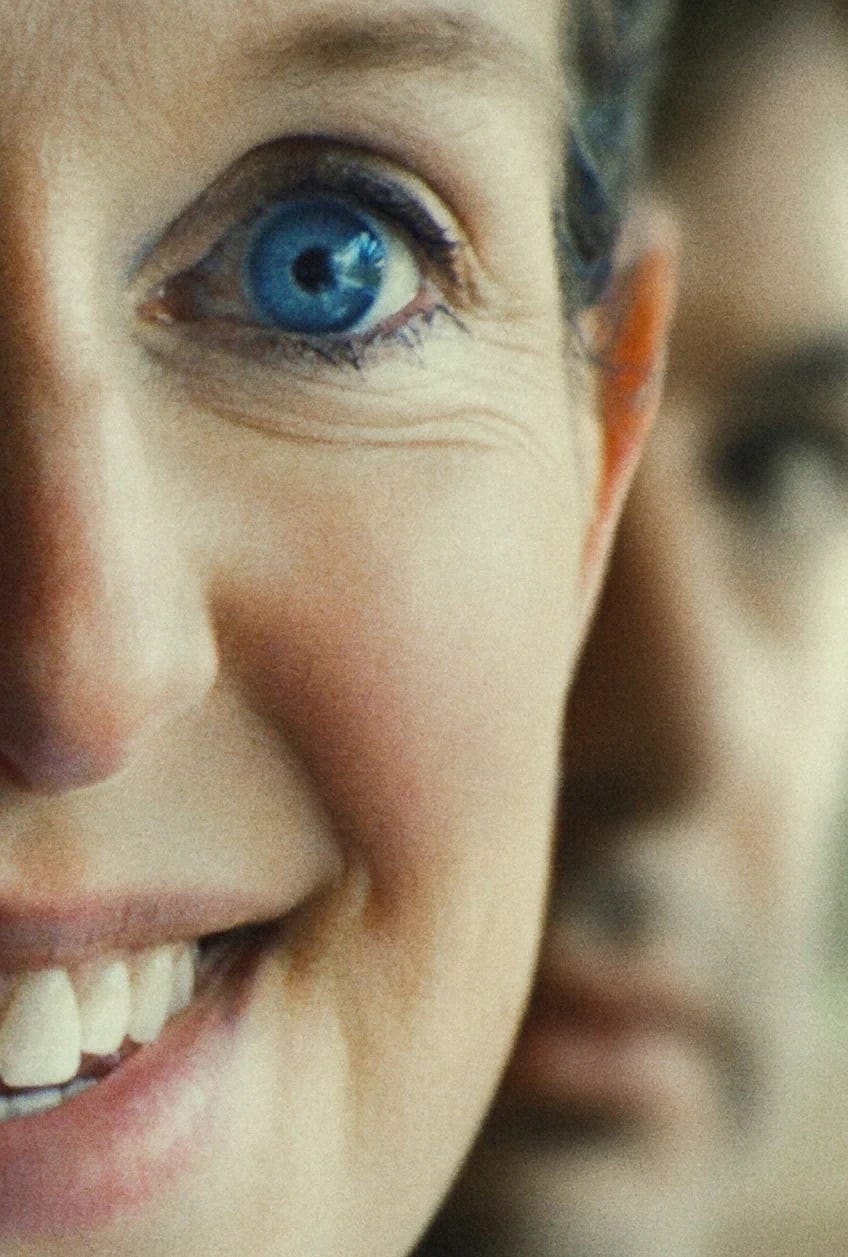
We’re always going to collaborate.
We are opening the doors because we’ve realised that we were so reliant on a segment of the population that we thought would always prop us up: the ultra-wealthy. That means we have to engage in the cultures around us: the culture of fashion, the culture of internet, the culture of London. And the best way of us doing this is through our friend, fashion.
Castle
We had built our walls so high that we had forgotten how people talk. As we take down these walls, we’re having to learn how cultures integrate, and that means that our language and the way we talk to people is going to change.
Right now, we are using translators. We’re trying to use the language of fashion to communicate. It has a specific manner: there’s a little bit of showmanship, there’s a little bit of flashness to it, and there’s a little bit of “you can’t sit with us”, which we love.
What’s interesting is, as we collaborate with these adjacent industries and change our language, we will also change how our culture acts. If I learn a new medium to communicate, it changes who I am.
It happened when we started partnering with finance and money via the auction houses, and with technology when we had the crypto and NFT boom. We all spoke a little more tech.
Cultures
I went to a few dinners this week, often sat with my assistant. It’s been interesting to watch how people treat her when they misunderstand her role. She sometimes mentions she’s on an internship and they talk to her one way, at its worst, as a student who maybe shouldn’t have a seat at the table.
Then they work out her role within the studio, and you get to watch them backtrack. You get to see how malleable their identity is by the way they talk. I’ve experienced the same thing recently. When you tell people you’re an artist they like to price you. They might push me around a little bit to figure out where I sit in the pecking order, it doesn’t last long, but I enjoy watching them play. It tells you a lot about a person, and their questions are normally more indicative of the narrow band of reality they are pricing you within, than helpful for their own pricing of who you are.
A few weeks ago, one of my favourite collectors took me to the Monaco Yacht Show so that she could look at some of the best yachts in the world and asked me to act as a buyer so that we could have a more enjoyable experience. It’s going to be a long time until I can buy a hundred-million-pound yacht. Let’s both be honest, it’s highly unlikely that I ever will. But seeing how people treat you when you’re in that position gives you a taste of being in it. And learning the language of how to speak from it is equally beneficial.
How people define you within a culture defines how they talk to you. How you talk defines how you participate within it.
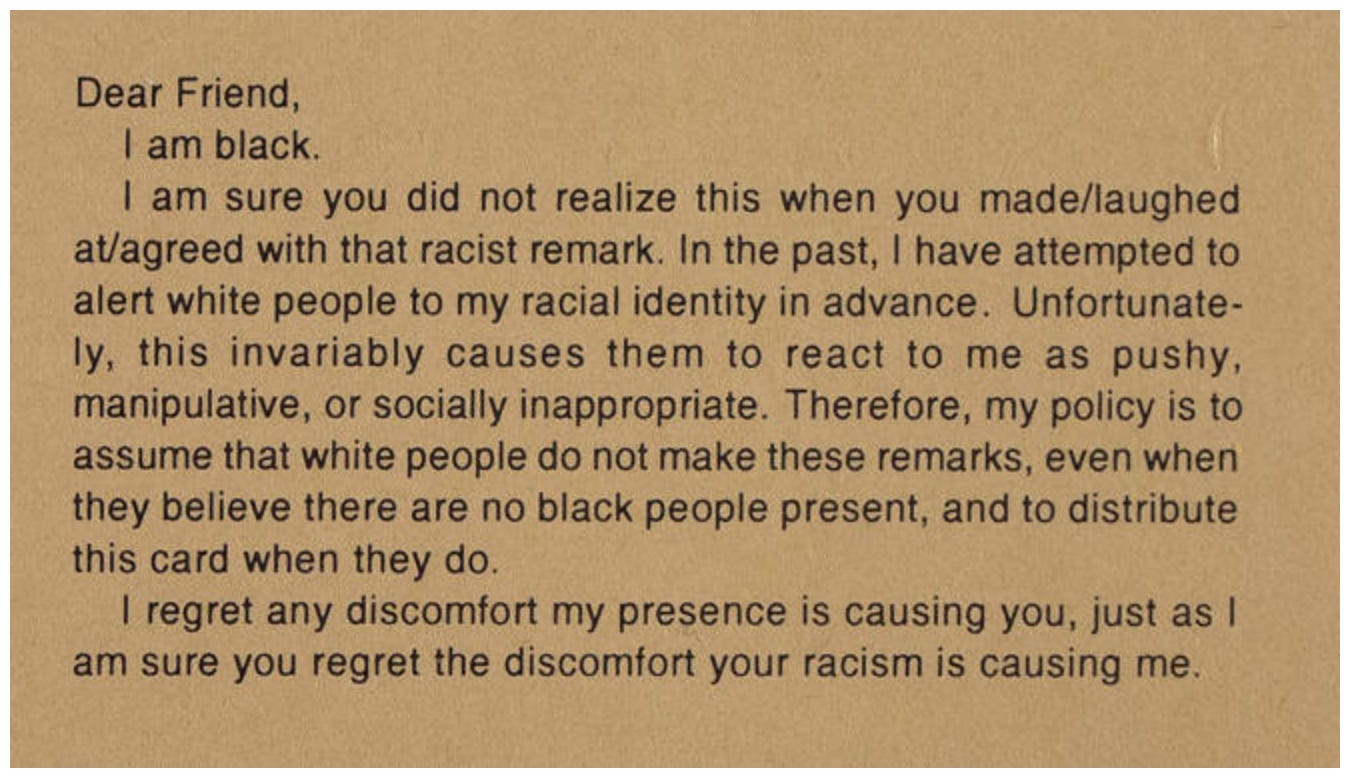
All cultures create language. It enshrines how they act.
Our friends, the people around us, these are all cultures. The way we talk to one another, the nicknames, the inside jokes, the manner of speaking, who speaks first, when they speak, who gets angry, what we’re avoiding: these are all defining ideas.
These manners of communication extend far beyond the verbal into the physical and how we dress.
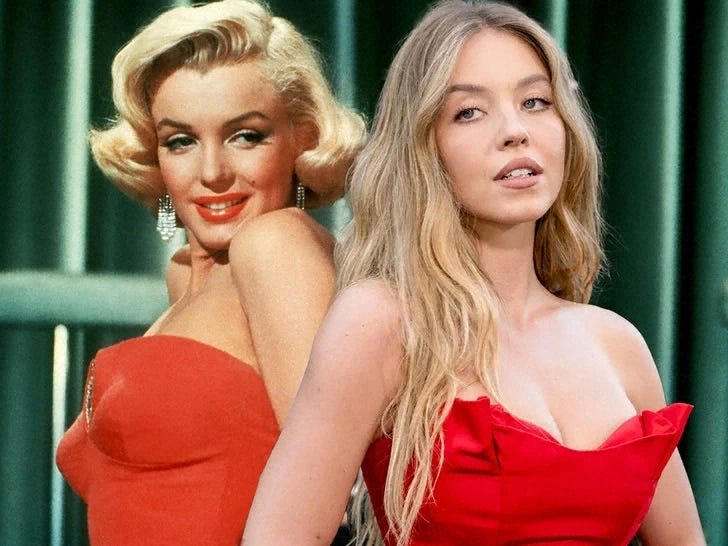
The harder we enshrine our language and the less ability we have to understand others, the less ability we have to achieve a breadth of opinion and a clearer perspective on reality.
When I look at my own friendship group and what we struggle to talk about, I would probably say our fears. Our standard of communication is like nothing else I have in my world, something I’m very grateful for. Finding the time to communicate what we’re scared of amongst a group of highly ambitious and relatively successful young men is a big ask.
If you really want to understand what your friendship group is, take a look at how they talk to each other: the frequency, the words, what they’re sharing with one another. How deep can you talk? What is it that remains unsaid?
Hush Money
I had a show in 2022. Each of the paintings in that show was made during a part of my life where I had been focussed on figuring out what I care about as an artist. Two years of figuring out certain parts of what I believe I am and what that has to do with my work.
Thus far, everyone that had bought a painting had wanted to know about those time periods: “When did you make it? What’s the inspiration?” I was happy to share where I could.
This specific collector had been into the gallery three times. He was looking at the largest painting in the show. And I asked him, “Do you want me to tell you about it? ”
He said, “No. Please don’t.”
He told me to deliver it in twelve months’ time as he was going to design his apartment around it. Then he paid me more money than I had been paid for anything in my life so far.
It was freeing, even if it was silencing.
I still don't know whether that payment meant that I had to shut up, but what I do know, is that it changed how I communicate with my collectors.
I love you loads.
Your obedient servant,
Russ x