


“What did you see?”
“The addiction of winning. And the extent people will go to to do that. Them tuning into those villainistic traits, to undercut and undermine people. And who embraced it, and who didn’t care for it.”
On Saturday twenty-two people came to my studio dressed as gangsters.
WANTED was the sixth FED dinner, a series I’ve been running as a way of exploring my practice with my friends and people I’d like to meet in an environment that is more interesting than a coffee spot or restaurant. I like food. I like experiences. And a lot of my work is creating situations that allow us to explore who we are as humans.
What I wanted to see was the darker side of trade. I wanted extortion. I wanted a racket. I wanted someone holding someone against their will for money. Game money, sure, but if you can create that in a two-hour period, the game wins. It’s good. It works. We get to see a different side of ourselves.
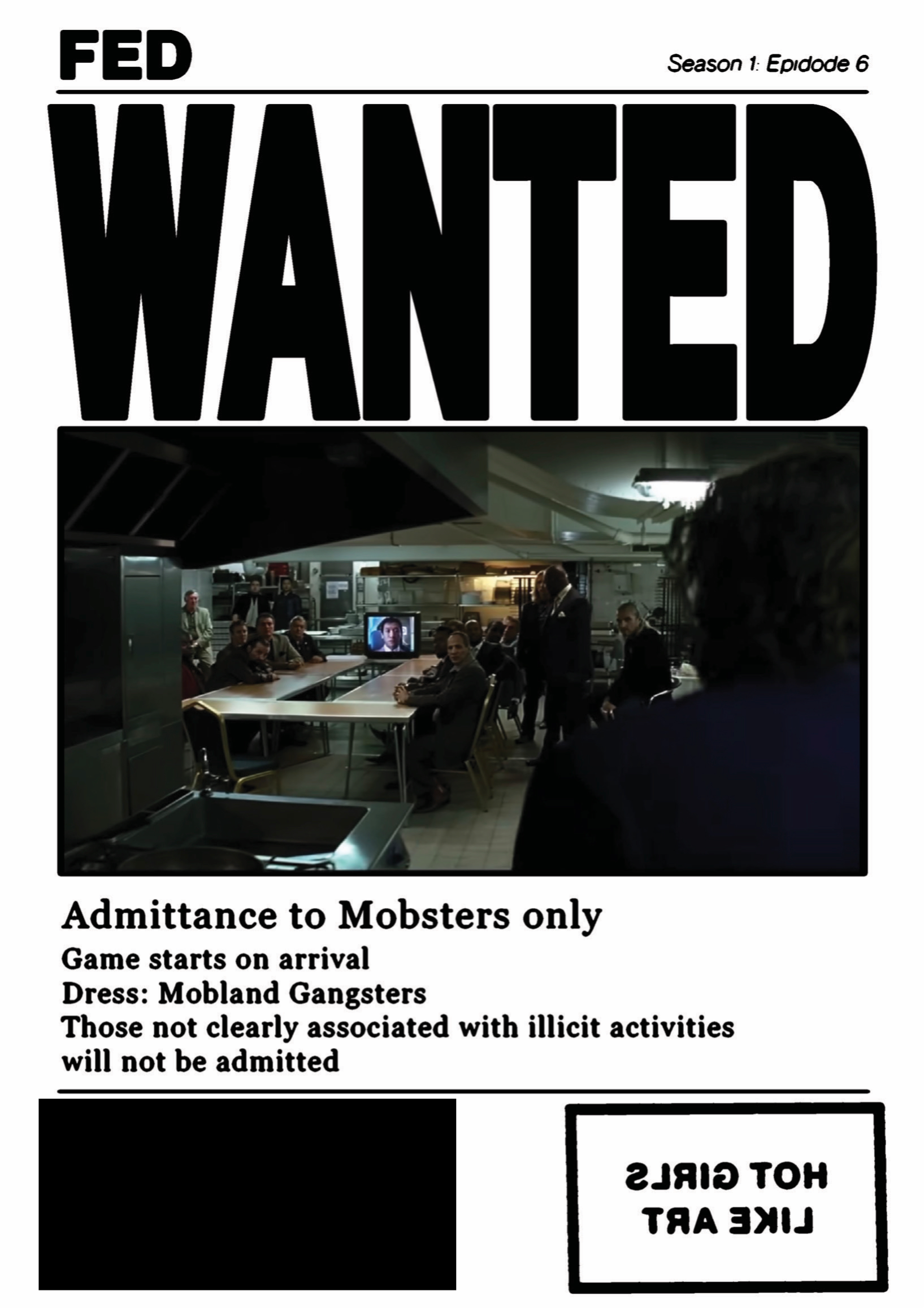
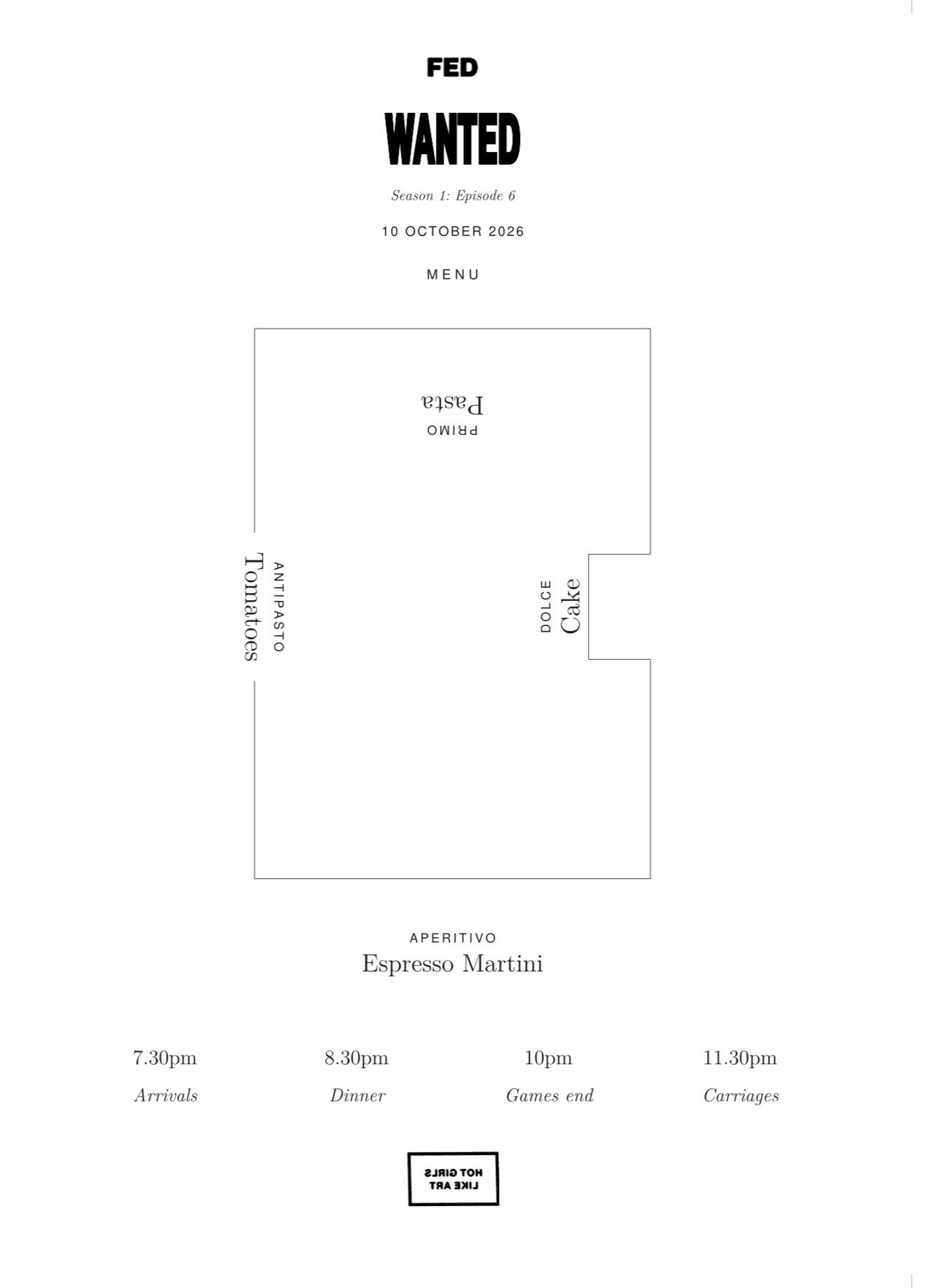
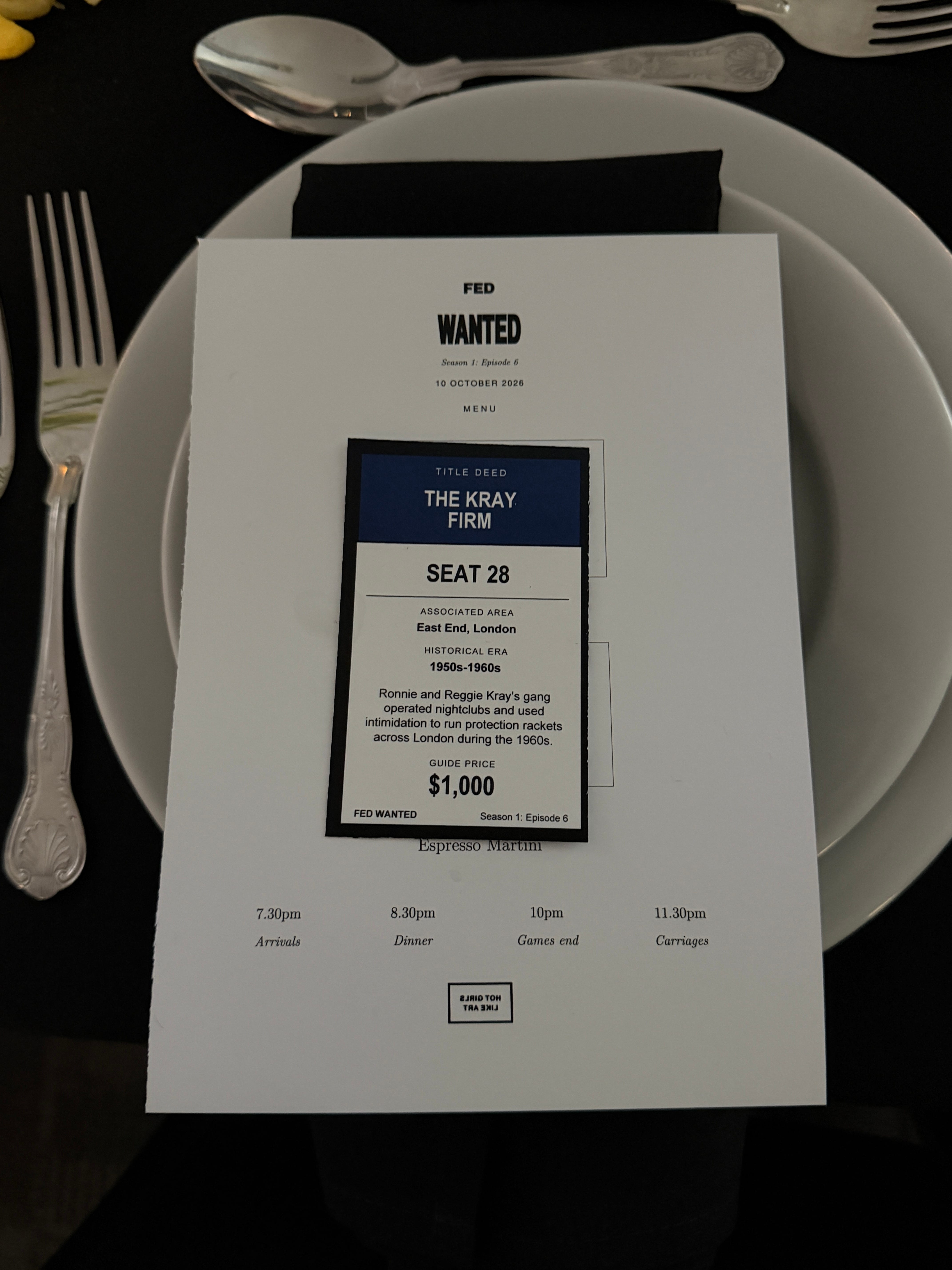
As always, the instructions were brief: a poster the week before (above), a menu on the day (below).
That’s all.
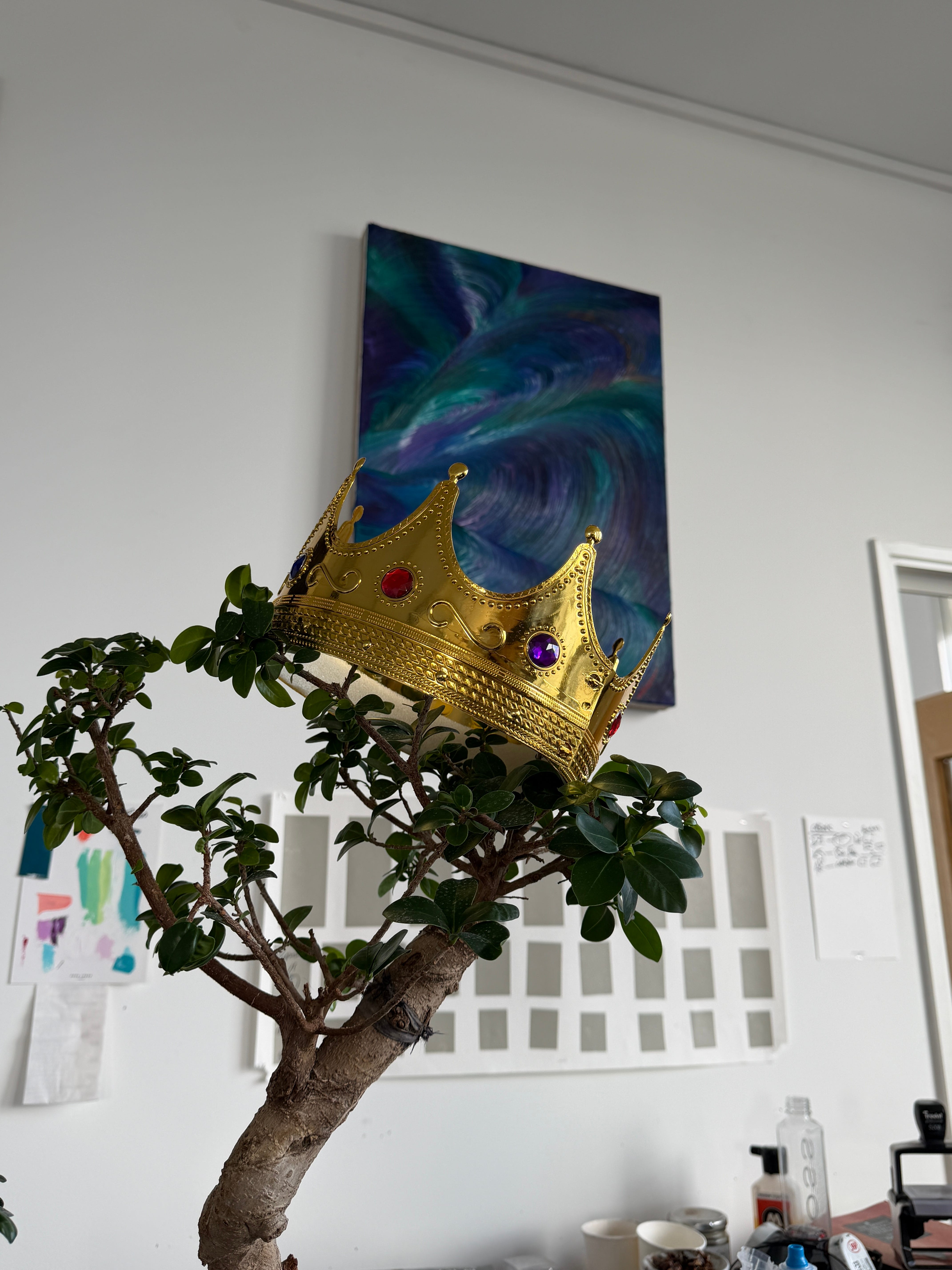
On arrival S, the hostess for the evening, met everyone downstairs. They received an envelope with instructions and cash, alongside drink and food tokens, and an allocated seat. The seats at the far end of the table were worth less. The seats at the centre were worth more. A la Monopoly. The seats were generally aligned with what else was in the envelope, with some discrepancies to make it more fun. Seats could be traded, as could everything else. The economy was driven by creativity: alliances formed, and players could steal if they had the acumen (or cards allowing them to). The aim was to end the night alive with the most cash. The winner would receive a crown.
There were moles in the room, individuals with the ability to kill people at certain intervals. To find them and stop the murder, the room voted publicly to remove two people from the game each round.
I wanted the feeling of corruption in the room, so I knew that we had to be corrupt from the start. There were heavier envelopes with lots of cash and lighter envelopes without, to be given out randomly. But I made it clear that S was as enabled as I was to introduce corruption where she deemed fit. If you were later, you got a worse envelope. If you came in early and you smiled well and were kind to the person with all of the power on entry into the club, you got more power.
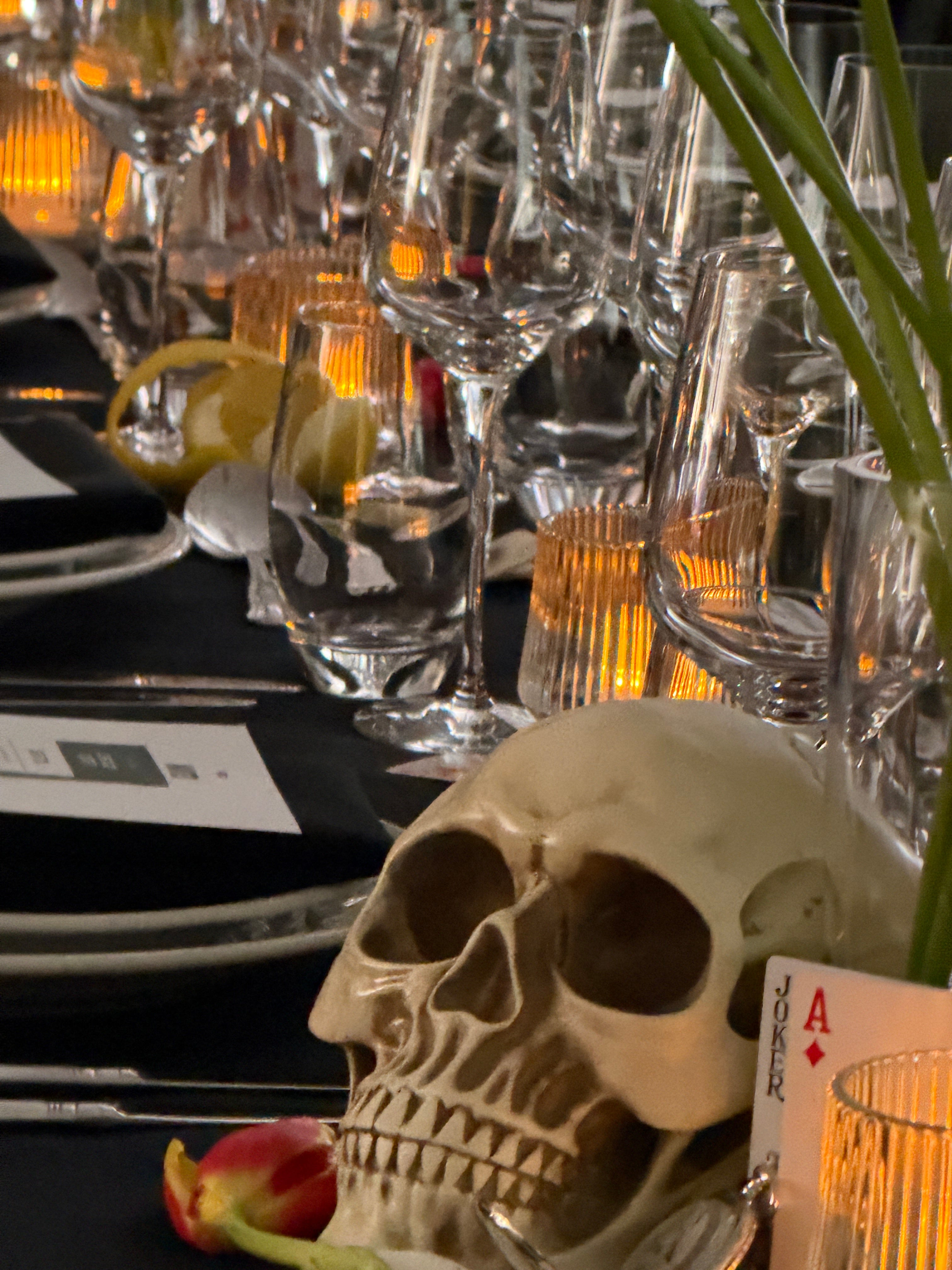
A lot of the people didn’t realise this when they came through the door. Why would you? There’s a level of manipulation. That’s part of the game of my games. They’re safe and nice and you get well looked after, but let’s not pretend I’m investigating something I’m not.
Together, S and I held the greatest privilege in the room: we could change the rules. Leadership, for values, occurs from the top down. I can’t expect the crowd to go wild and introduce corruption unless I make sure that’s what I’m doing. And it’s more fun.
Some questions fell out of the evening.
Am I allowed to?
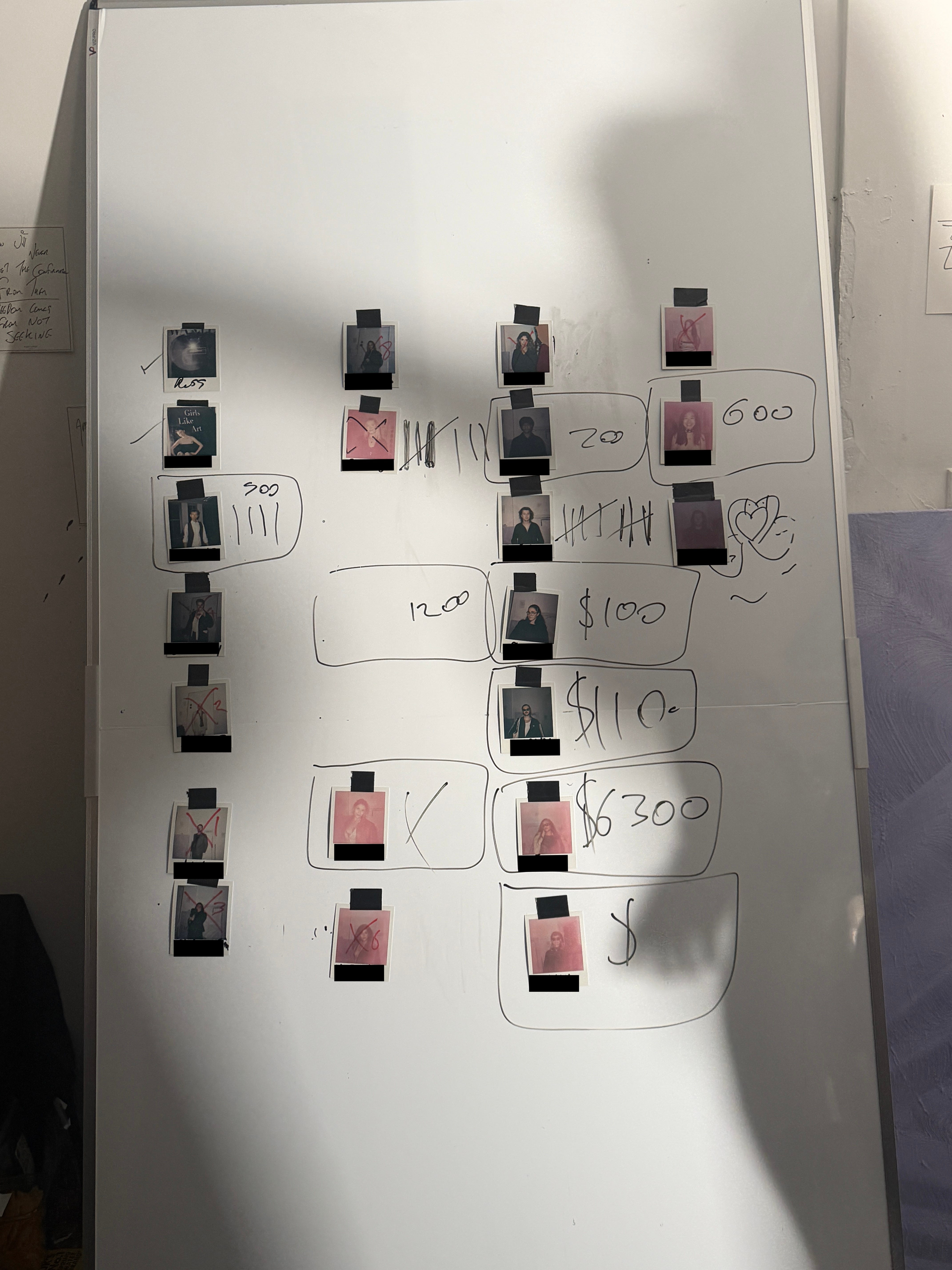
Just before the main course I noticed that the voting had stalled. We had a Polaroid board where everyone’s game or real name was inscribed next to their mugshot. A mark to the right of a picture was a vote to cast them out. Nobody was writing. Maybe it just needed a little energy from me, so I walked over. There was one person holding a pen. I waited and I looked and I realised what was happening.
“If you don’t give me money, I’m going to vote for you.”
I looked at their envelope. It was light. What was beautiful is they had found a racket. They had found what I wanted. I thought: perfect. Whatever they’ve got in the crab bucket right now, they’re using.
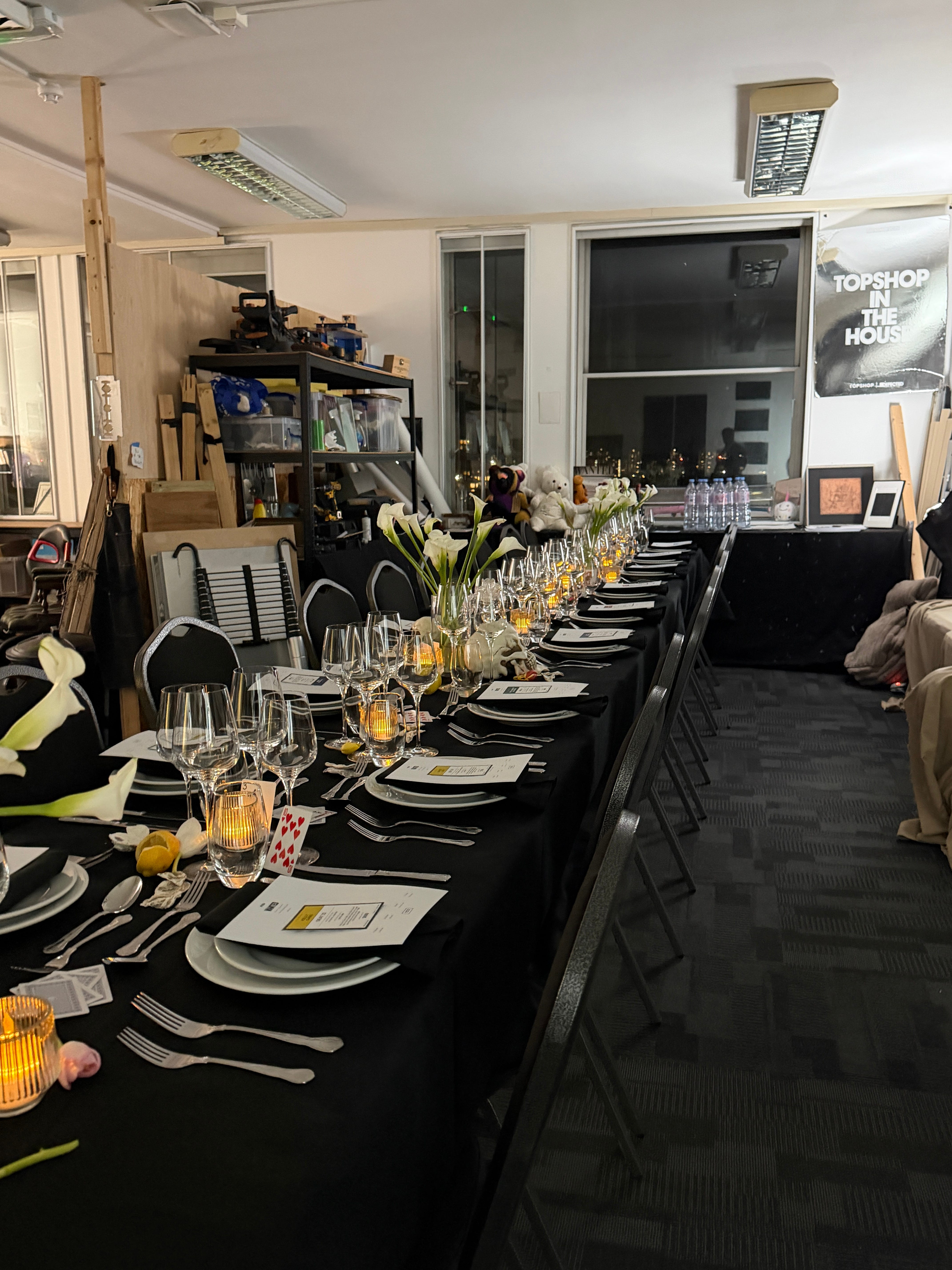
Those actions happened at the fringes, where people received lighter envelopes. They were given cards that let them rob one another. In the centre it was just heavy envelopes, lots of coins, lots of cash. There wasn’t a huge amount of trade.
“We were too comfortable,” S said of the middle. “We started off comfortable and we remained that way.”
No one asked me for any privileges. They didn’t try and come straight to the source. I wonder why. But they did try and kill me. I explained that I’m not the mole and that, should I want to start killing people off, I would just start doing it.
Permission became this fictional idea. A few of the quieter characters asked me for permission to do things. “Can I sell this thing? Can I set up this game? Am I allowed to?” One of the people that asked me was a mole. I said yes. But by the time they had asked, I’d already seen someone doing it elsewhere in the night.
If you spend your whole life asking for permission to do things, you’re already going too slow to get the best from it. A friend gave me a beautiful insight into leaving rooms: by the time you ask yourself whether you should leave soon, it’s already too late.
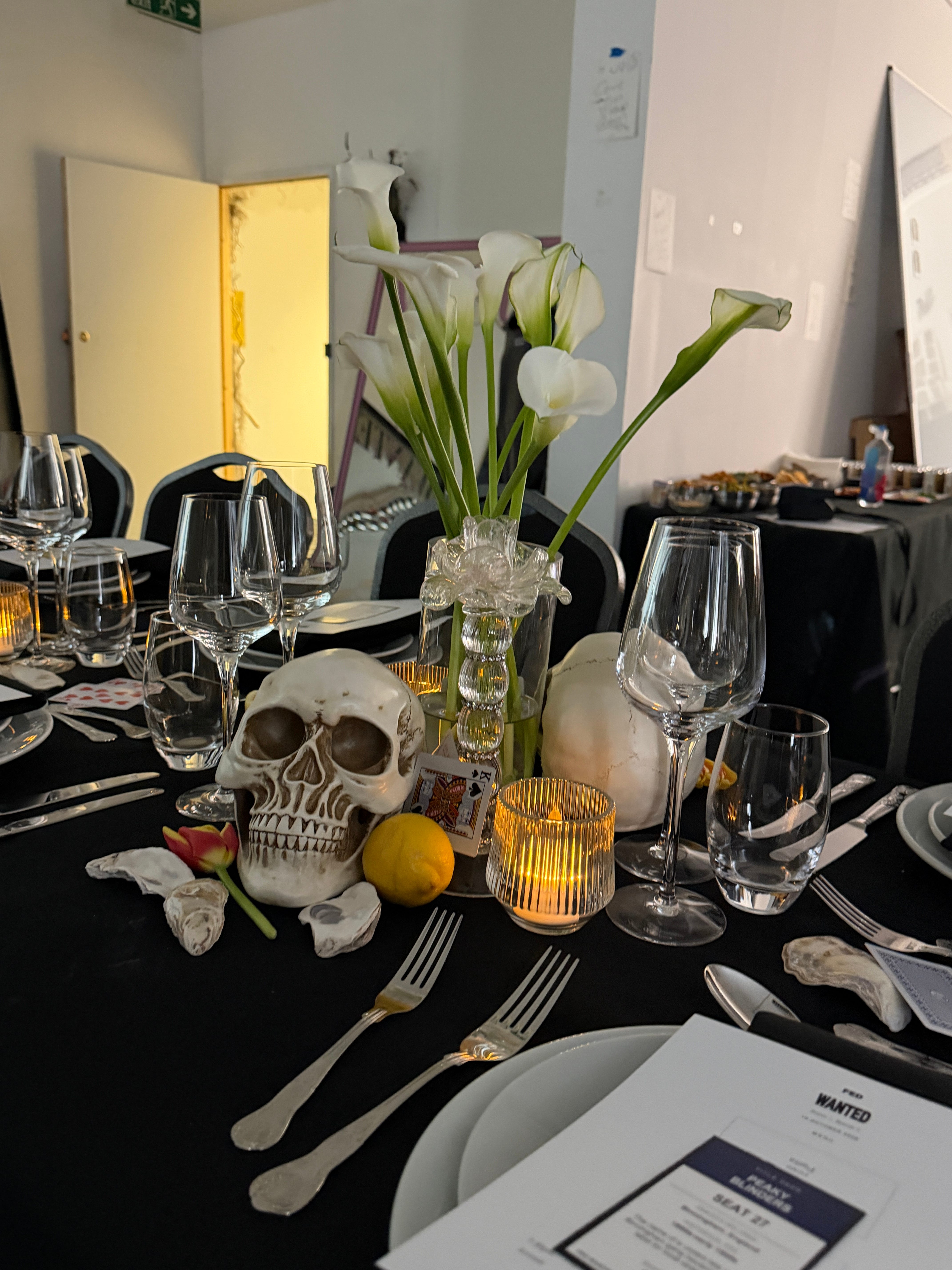
Those who weren’t asking for permission, who were just doing, seemed to have the better experiences. They were more in flow, more related, more enjoyable. They took the train off the tracks. Seeing them in their exaggerated experience of the evening, however ugly or beautiful that was, showed me how little importance permission has once you understand the frame of reference.
What makes one person’s use of power feel ugly and another’s beautiful?
During the first vote, the eventual winner voted for someone who had already been eliminated by a mole. I took that as a sign that they weren’t really playing. They were just there to enjoy the evening and didn’t want to show their side.
By the end they’d accumulated a significant stack of cash and a prop gun, and were one of nine people left alive. When someone tried to rob them in the final minutes before the count, the winner produced the gun, explained that they were killing them, and took the would-be robber’s cash.
They finished with $6,300. Second place had $1,200. Third, $600.
“Guess what?” they told me afterwards. “I stole the gun.”
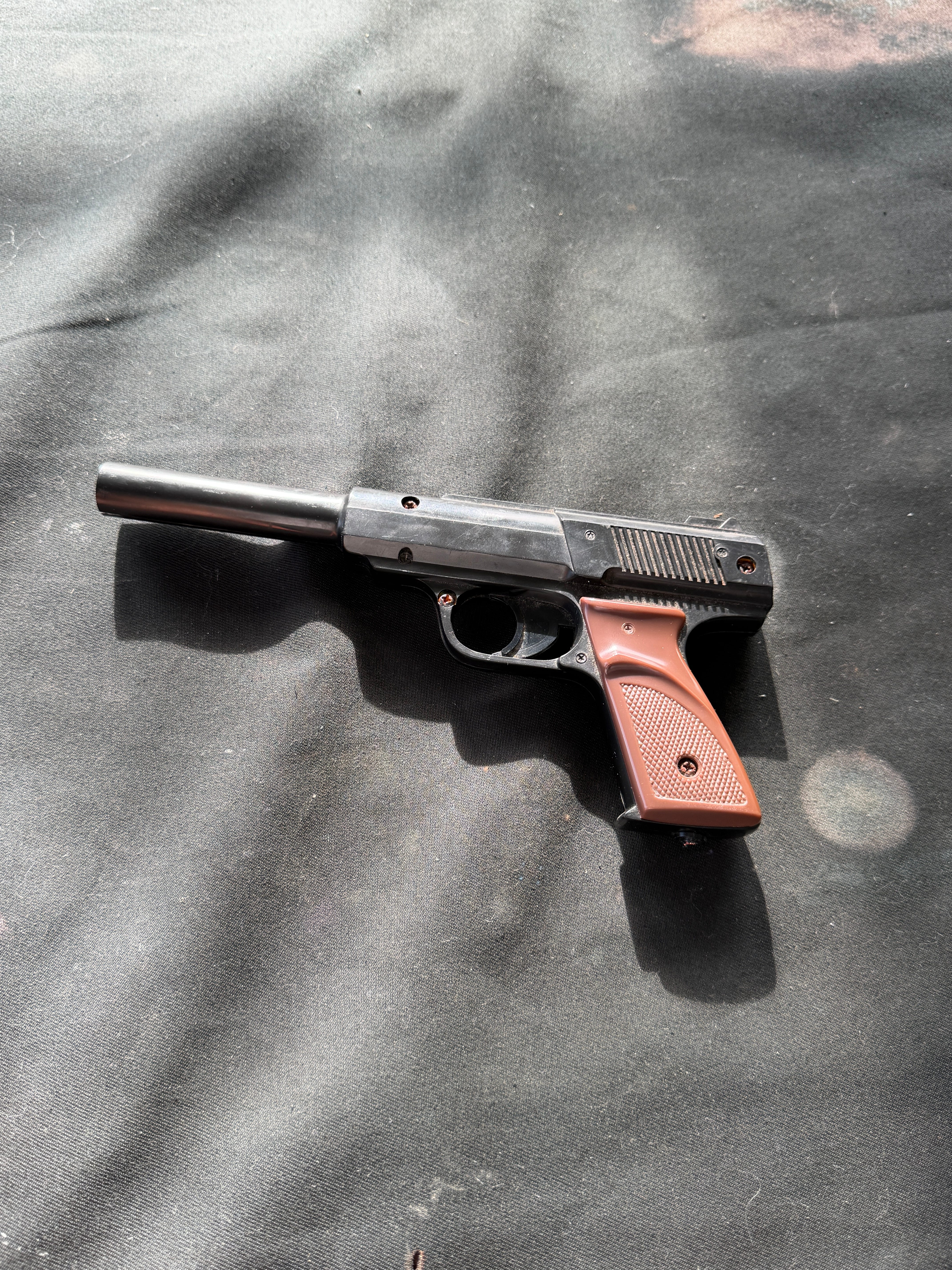
I had mistaken how little I could see of their strategy for how little strategy there was.
What I found beautiful was their use of camouflage throughout. They could sit there, deceive, wait, and act decisively. There was an elegance in the way they combined those things, just as there can be an elegance in a taekwondo kick or an uppercut in boxing.
When I spoke to people the next day, there was a little judgment about the way people had played: people’s will to win, people’s aggressive tactics, the way they manoeuvred. Someone went further.
“They kind of tarnished their character, not just in the game. Just my perception of them in general. The ugliness came out.”
I asked them: was it how they were playing the game, or who they were?
“How they were playing the game was an immediate reflection of who they are.”
I tried to take a more balanced view. Maybe it’s just playing with a light envelope.
“Even the winner,” S said. “They were just blessed with money to begin with.”
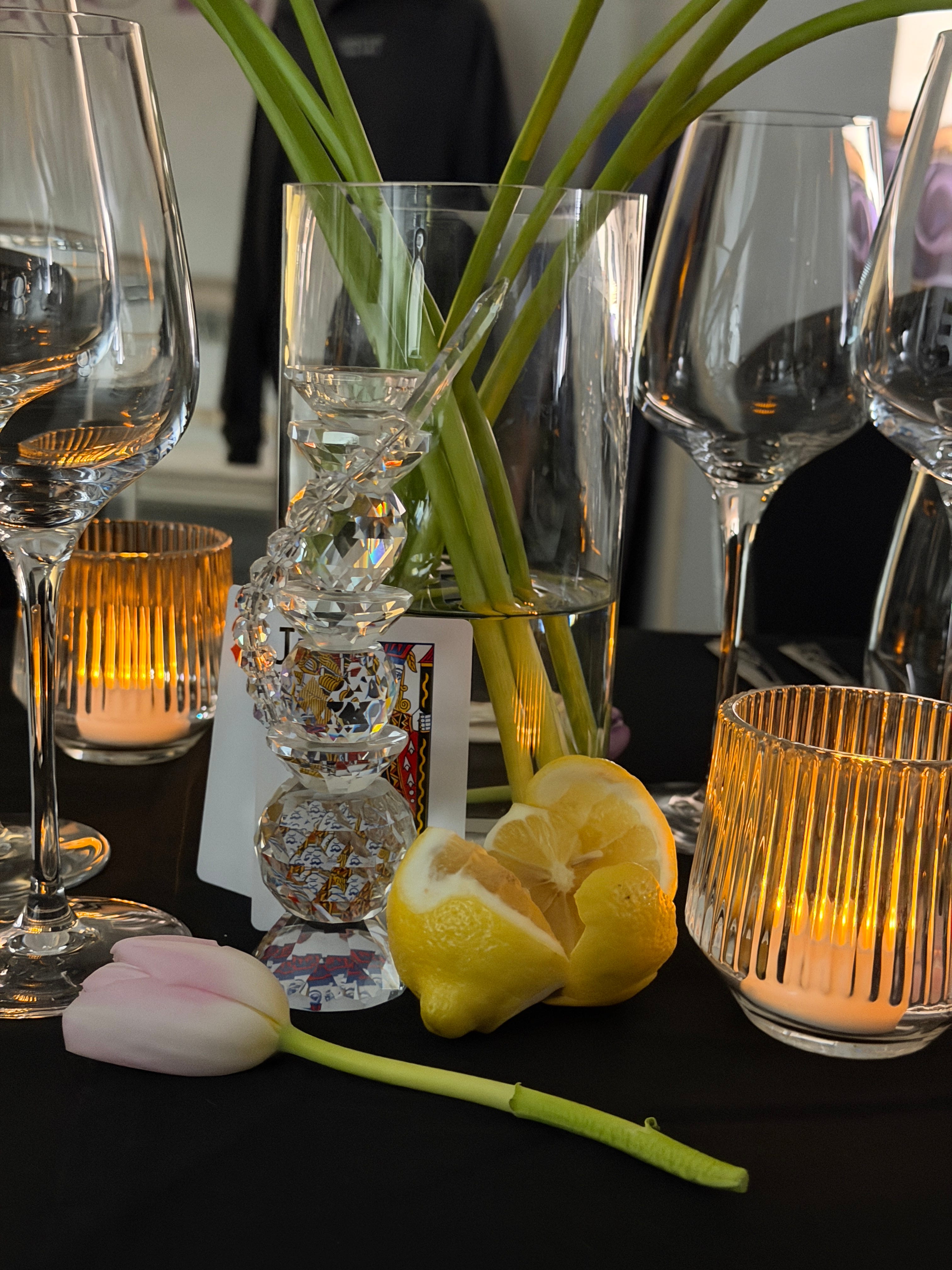
So is it the manner in which we execute our victories that we’re judged on, rather than the victories themselves? It’s a lot to do with the visibility of the wanting. There’s something about concealing ambition that makes it more attractive to watch.
There’s an ease, and an elegance, in the manner in which heavier envelopes could act. The more aggressive tactics normally came from the lighter envelopes that also had a desire to win. They had to take more risk. Concealment is something that heavy envelopes could afford.
Beauty is bait. It’s our way of saying we want things to come closer, and that generally indicates we have sufficient resource, strength and lethality to deal with what might come in. I think it’s camouflage. That’s how we mask our ability to do damage.
Just because something is beautiful doesn’t mean it isn’t lethal. If anything, those two characteristics arrive together. It’s no wonder that in the art world we value it so much when we can’t tell what something’s made from. We are animals, and our ability to understand camouflage is core to how we navigate society. It hasn’t stopped being a jungle just because we wear clothes.
How much of the person we see is the position we think they occupy?
Most guests first encountered S downstairs. She was dressed in a fur coat. Nobody had met her before.
“I think they thought I was just hired to hand envelopes downstairs,” she said. When she came upstairs, people asked, “Are you working?”
“No. I’m having dinner.”
“Throughout the night,” she said, “people started realising the position I had in the game. And the way that they were treating me from the start until the end was very different.”
Sometimes I bring people in to work at these events. But S is part of the studio, and that means she’s as much in charge as I am.
One guest worked it out. S overheard them: “I think I’m charming her. I think I’m really getting to her.”
Our position also let me intervene if I thought the experience was getting out of hand, and move between hosting, participating and observing. That was my selfish thing. I was creating a little platform for myself to learn about how I interact with a room like this.
“Your ego was in full force,” S said.
One contestant created a rumour to ensure that all the votes landed on a specific person as the mole, protecting themselves. It was false.
The person being voted for was sat near me. They asked, “Why is everyone voting for me?”
At this point I was enjoying myself. I do enjoy the emotional side of it, even though it’s contained. And I thought: what a great time to lie.
“I’ve been telling everybody that you’re the mole.”
“I’m not the mole.”
“I know. I know who the moles are.”
“Well, why have you been telling everyone that I’m the mole?”
“I just think it’s really funny.”
I thought my sarcastic fun was going to make the people around me laugh. This abuse of power, it’s quite funny.
I look down and my burrata is clumsily falling off my fork. I’m trying to figure out if there are any more tomatoes left. As I look back up, the people around me aren’t giggling. They’re in shock. Not because of what I’ve said, but because the person I’m talking to is clearly upset by the idea of being singled out. They have taken it as truth. They have become attached to this non-mole identity.
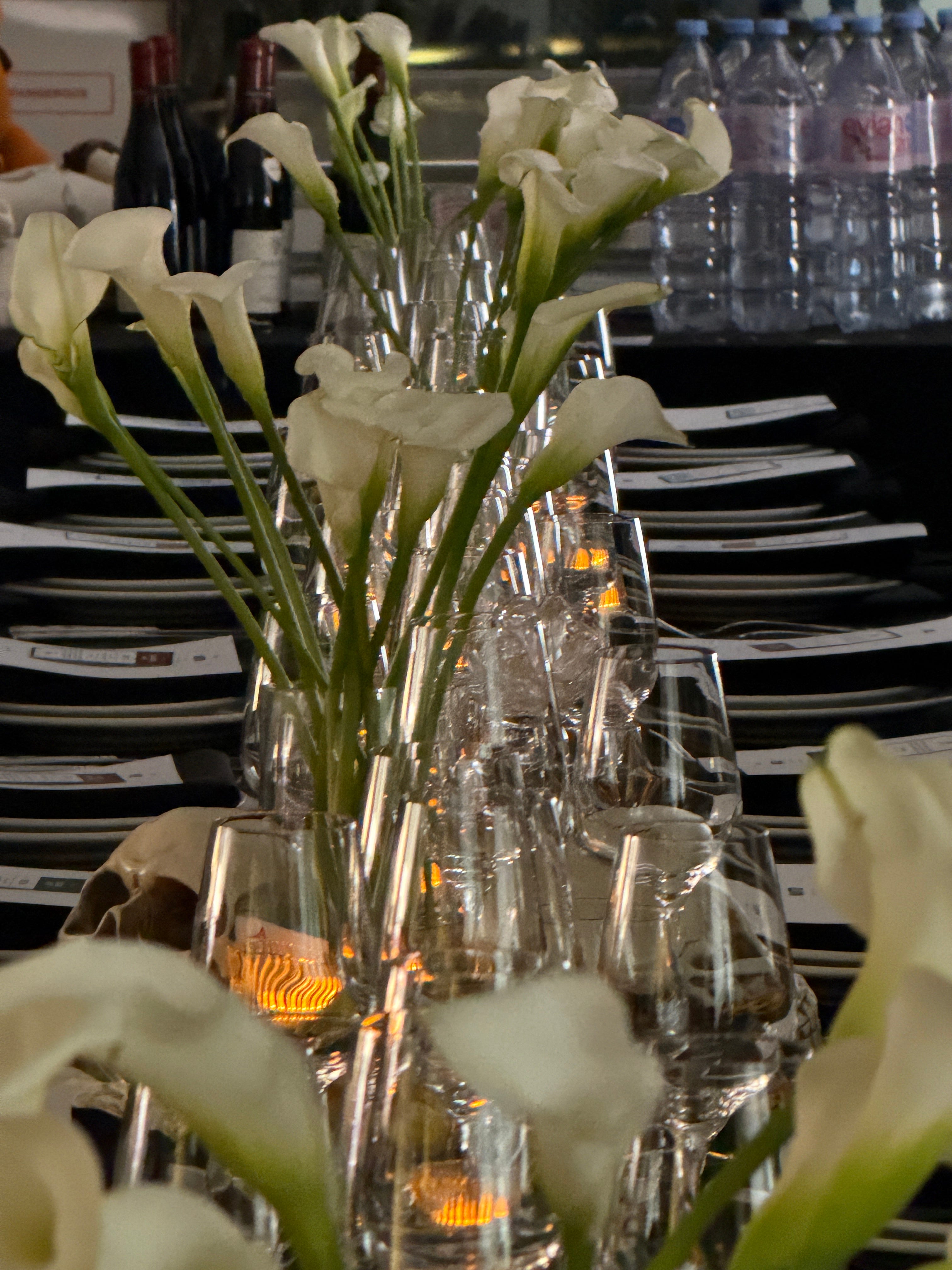
Unlike a board game, where you can limit your psychological space to the square in front of you, this is physical. It blurs the line: is this a game, or is this a character that we’re playing? It’s kind of like forced method acting. People have begun to be part of the character, and if you say something that hurts that character, maybe it hurts the person underneath.
I finish the burrata and tomato, explain I’m joking, and try to drift out of the joke as effectively as I can. I can’t get out of it. I’m stuck in it.
They got voted out in that round. The person who had organised the posse went to speak to them after they died and received all of their cash. Another example of elegant violence.
After the joke, they were fine. They had a great evening. Although I’ve painted it as something darker, it’s not.
We could change the rules. We couldn’t determine how everyone experienced them.
What does permission mean if we still judge people for using it?
In Homo Ludens, Johan Huizinga argues that culture arises through play. This year that’s been the most causal idea in my practice. What S and I were trying to do in the room was build a culture as fast as we could. Eventually it establishes its own rules, roles and manners of negotiation. Its own posse.
It was clear that the people who acted in the open had the best time. It was also clear that the manner in which they acted opened them up to judgment. Where there was alignment, or too much wanting, people were targeted.
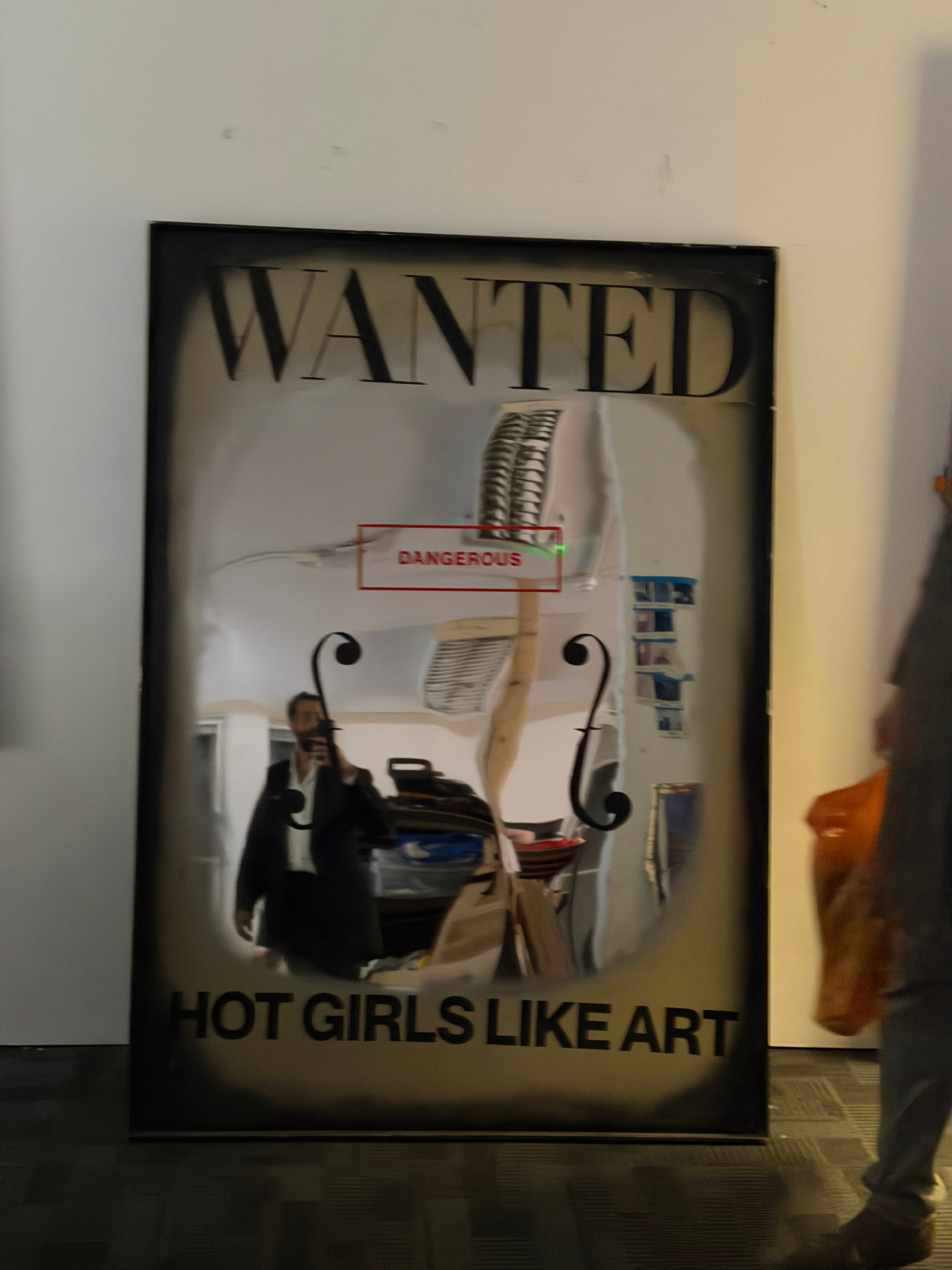
It’s a bit like life. Everyone’s allowed to play the game, but if you play it a little too hard, people aren’t going to like that you’re doing that. You’re allowed to win. You’re just not allowed to pursue it so aggressively that it makes the crowd feel insecure. That’s where judgment comes in.
It’s probably why we find characters like Naruto or Monkey D. Luffy so inspirational. They have this dogged desire to be the best that they can while still smiling. And although everyone denounces them and targets them initially, they’re doing it with the best intentions. From a spiritual perspective, intentions really do matter.
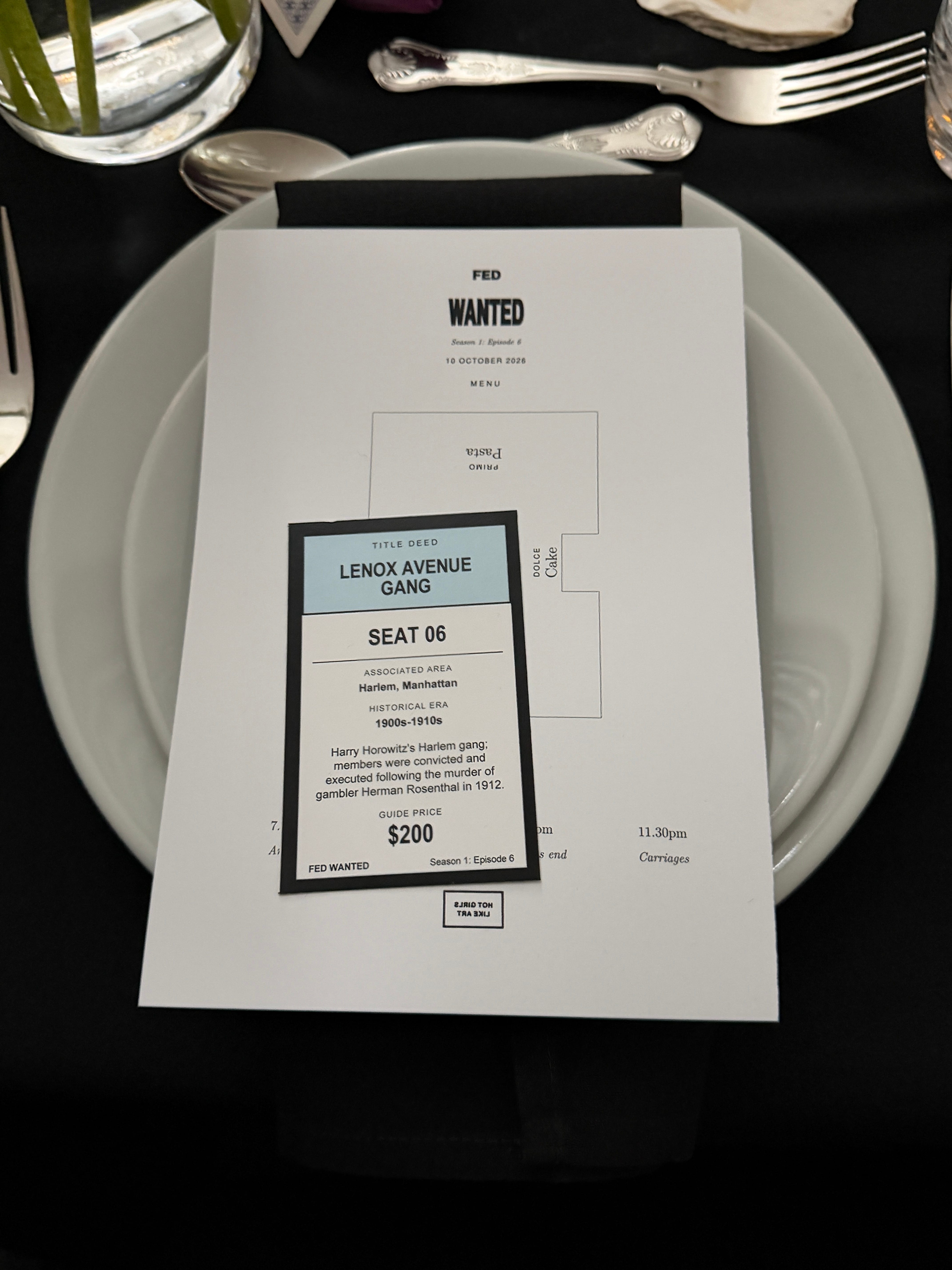
We’re all products of our environment. That’s not a groundbreaking thing to say. What interests me is how quickly environments can be shifted. What shifted people at the dinner was environmental cues: a uniform, the framing of a game that starts and ends in a space they’re likely not going to return to for some time, and a seat at a table defined by the envelope they received. While there was a space to act in a different moral code, the intentions behind those actions, and the underlying psychological picture, are something that stays with us. It carries through the environment. Maybe this is the spiritual side of the work.
I’ve been collecting crystals and coins from my travels. I have a small bowl of them in my studio. They’re important. When people visit the studio, I let them choose one, just after setting their intentions for the next month via a gratitude practice I’ve been doing for a few years now. If you’re at all spiritual, when you see them you can see they are somewhat charged. When I cleaned the studio post-event, I noticed the bowl was now empty.
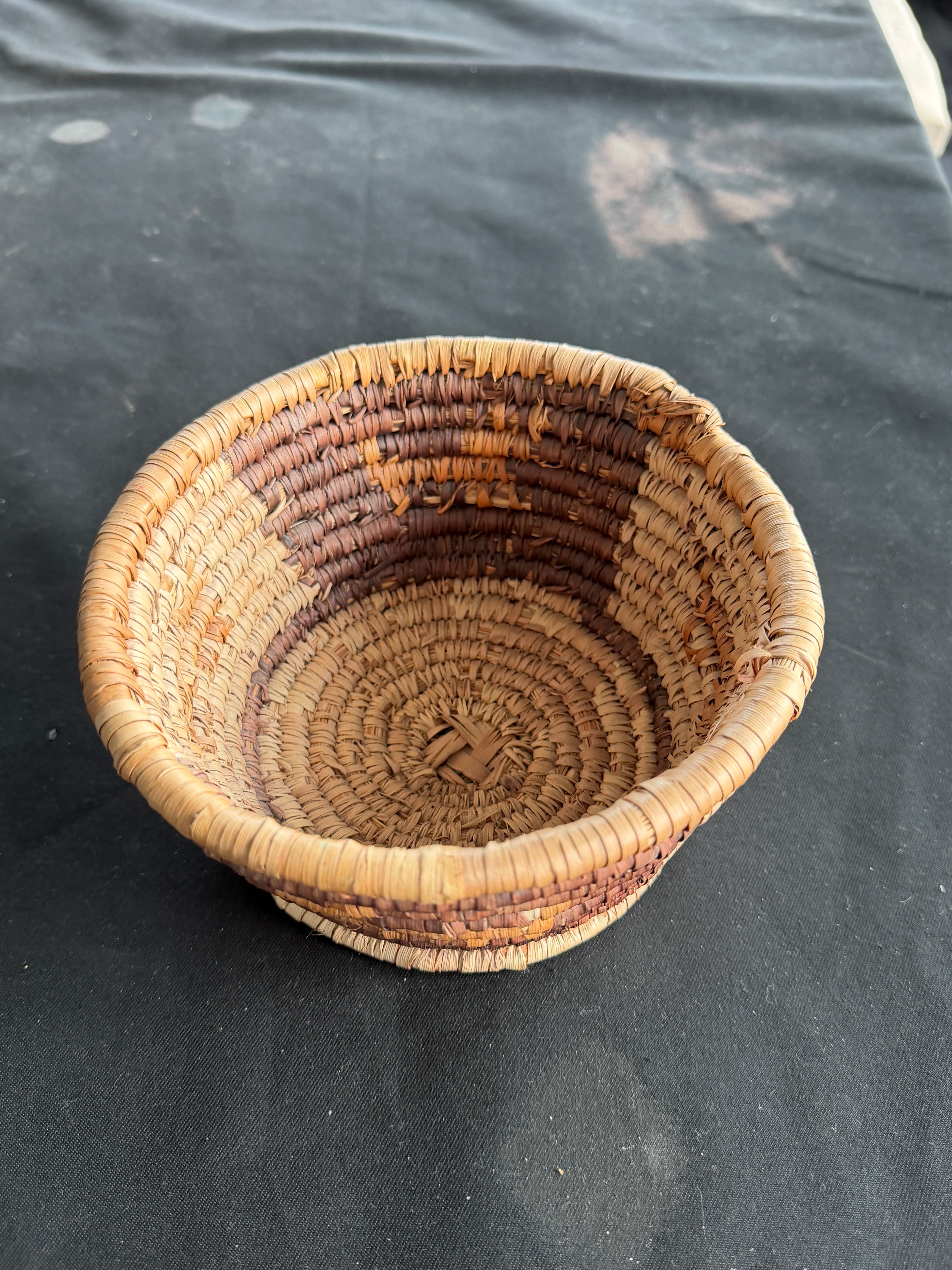
The game had seeped into reality. Someone is walking around with a small collection of artefacts from my travels, along with their intentions when they took them.
I’m not sure why I treat the gun and the crystals differently. Maybe because the gun is clearly in play and part of the game. And within this construct, theft is allowed. But outside of it, within my world, within my studio, I’ve now lost something that I’ve spent time collecting. Maybe this is the cost that I have to bear for enabling such a dark space for the evening.
I think I’m going to play with that idea again soon.
I just don’t know how.
Love you loads,
Your obedient servant,
Russ x
P.S. I’m very grateful to the really good people who come to these things: artists, technologists, thinkers, business people and wild cards (somewhere in between the queen of the London party scene and a cool crazy character I met on the street last week). Over this week I’m going to try and get some stories from the people that came. With all these installations, I have such a thin and narrow view of what happened, and it’s mostly coloured by my own desires and wants from the evening. I might try and do a big one for Christmas. If there’s anything S and I really agreed on, it’s that we could do this at scale. Let’s find out.
P.P.S. Sorry this was late. I had some things I had to deal with on Sunday that took priority and last week was a car crash. Thank you.