I walk into the marbled chapel.
“You’re here! So glad to see you.”
Of course he is…
The host greets me with a scurrying through his words. His emphatic nature is as destabilising as the change in light from the Venetian sun to the cold, austere glow inside. As the cool of the stone washes over my face, I feel the sweat of having walked through a city that is always damp. I figure out how to mop my brow while still acknowledging the prestige required of me in this shallow and veiled interaction.
“Thank you. Good to see you.”
“The patrons are waiting inside. Do you need to freshen up first?”
Patrons.
They keep me alive. But I know they’ll get their pound of flesh whether I’m in the room or not. They’ve already bought the right to bear my name in whatever sullen rooms they talk to each other in. I’m just another accolade in their portfolio of social status goods. The company I keep is varied, but we share the same islands of common ground. We have built good names and chosen to put them up for sale
I recall my first interaction with one. Standing in the driveway of the Metropole on a sunny June day, I took the call while trying to manage a lack of sunglasses, headphones, and in my last t-shirt of a trip that should’ve ended two days earlier. I still remember feeling how tired my arm was from holding the phone to my ear as I hear the words that I clearly wanted to hear.
“Look. We like you. We’re in.” “There’s stuff to sort out. Come to the hotel, and we’ll do it tomorrow.”
The hotel was a flight away on the edge of St. Tropez. I arrived for breakfast with him and his wife. The hotel was closed to other guests. Just him and his family this time. We drink coffee and make small talk until his wife arrives.
“He has good ideas. I think he’ll have more.” “We’ll sort the money. He sorts the rest.” “He’s like the next Gormley.”
Pater. Straight to my ego. Words that should resonate, but are hard to buy. He was never quite there, even when he was this emphatic. Traders are like this. He stood up and walked over to the pool to open the market.
I sat with his wife and watched him.
“What’s silver at?”
“50 there”
“Gold?”
“75”
“Copper?”
“That’s rubbish, why?”
“Okay, don’t touch it. Come in for 50 at 4.8.”
It was impressive. I’d never seen someone spend half a million before.
While trying to keep up with the maths, his wife began her press.
“What are you working on?”
I wasn’t sure how to present, so I took out my phone and started showing her the current project. I’m never sure what I say in these moments. Partly what I mean. Partly what I don’t know. For the most part, it’s me trying to understand what I’m doing while letting them see what it currently looks like. I’m better at it now. I hadn’t had this before. Until that week I’d never been to St. Tropez or had someone say they would help me with my art.
I spoke until he came back.
“So what do you think?”
“Well. It’s not really art, is it...”
They had begun their process. I began to feel like what I was about to become. Something within the scope of their decisions. An object of uncertain value that they would debate together and sell elsewhere. For now, I had the luxury of being able to observe.
Since then, I’ve learned the game. The transaction. The talking point they appear to own in a room that can buy anything. Haven’t you heard about him? Those with sway paint the picture, dangling their access above those who have heard the rumours. They are all complicit.
There’s a precision to how they act, how they offer. I know whatever the deal is going to be, they’re going to get what they want from me. Else, why am I here? And if I were somewhere else, would the people there be able to help me in the same way?
He looks at my trainers. I had bought them for the trip so I’d look rich and cool amongst those who can afford that game. A few months before, I’d seen a wealthy Arab man wearing them in Mayfair and found a second-hand pair on eBay. I assume they were stolen or fake.
“Nice shoes.”
“I tried to get some of those.”
And I begin to realise.
Maybe I’m complicit too.

Biennale
The 2026 Venice Biennale previews on Wednesday. The jury for the show resigned three days ago over Israel and Russia taking part. Russia returned this year with a curator reported to be the daughter of a former KGB officer. Israel returned with Belu-Simion Fainaru. In 2024, the chosen artist, Ruth Patir, locked the pavilion herself on opening day, against her own government, and kept it shut for the run of the show. This year, members of the European Parliament have called for EU funding to be pulled.
In 1993, Germany invited Hans Haacke to represent them at the Venice Biennale. He took a jackhammer to the floor, destroying the marble that had been laid in 1938, when the Nazis remodeled the German Pavilion to look like a temple. On the back wall in giant letters, he wrote one word. GERMANIA. Hitler’s planned name for a rebuilt Berlin. Above the door, he hung an enormous Deutsche Mark coin. At the entrance, he placed a photograph of Hitler at the 1934 Biennale, sixteen days before the Night of the Long Knives.
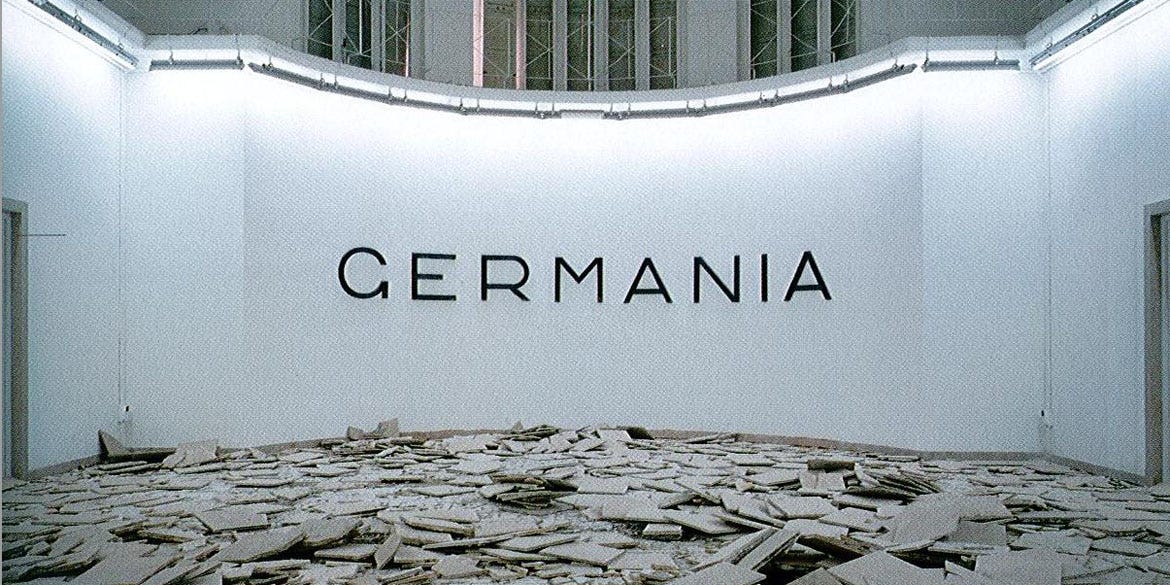
He shared the Golden Lion that year.
Haacke had spent fifty years on this subject. In 1970, he polled MoMA visitors about a governor who sat on the board. When he mapped a New York slum landlord whose money touched the Guggenheim, they cancelled his show and fired the curator. But he continued to document the trustees and explore the complexity of symbolic capital with Bourdieu. He understood that the opaque nature of it was better placed into the visual spectrum.

Money
It’s not a unique perspective. Andrea Fraser writes essays about her own collectors. Nan Goldin has forced the Sackler name from museum walls. Forensic Architecture used a Whitney trustee’s tear gas business as the subject of a film exhibited at the Whitney.
There are many artists who treat the receipt as part of the work.
The Biennale’s official line is that nations sponsor their pavilions. But the receipt is incomplete.
The US State Department gives $375,000 per pavilion. Simone Leigh’s 2022 US show cost around $7 million. This year, the US is crowdfunding. There is a donate page with no minimum.
France has been part-funded by Tasmanian billionaire David Walsh. Ukraine has been backed for years by Victor Pinchuk. Past Biennale sponsors have included Russian gas billionaire Leonid Mikhelson and Japan Tobacco International.
Last week, the European Commission cut €2 million in funding over Russia’s inclusion.
The galleries are represented across the city and show. Pace, Hauser & Wirth, Gagosian, Zwirner. They front production for installations because their artists are showing. The Biennale is the most important sales bellwether of the year.
The state nameplate on the door is simply a cover sheet. Behind it is a coalition of governments, foundations, dealers, and private wealth, all participating in bringing the event together.
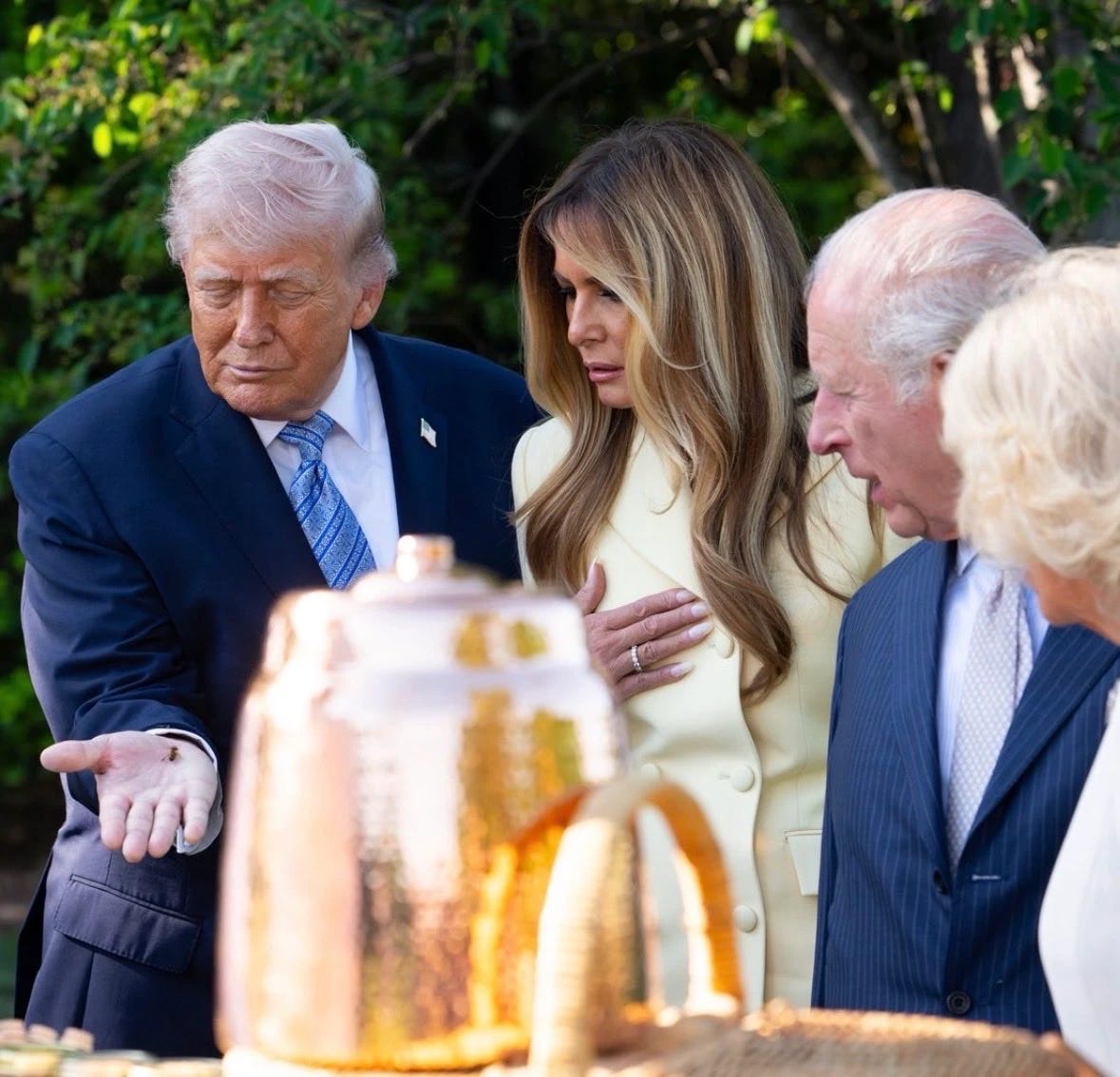
Who can show?
The question of who should be allowed to show seems to be standing above the show’s name and themes, “In Minor Keys”.
When we object to a state showing, what financial system are we actually objecting to? The state. The galleries that prop up the state’s pavilion. The collectors whose money funds both. Where is the line?
Who speaks in a country’s name? The artist chosen by the ministry. The artist who refuses the ministry. The diaspora artists exiled from the country. All of whom claim the state’s name as their own.
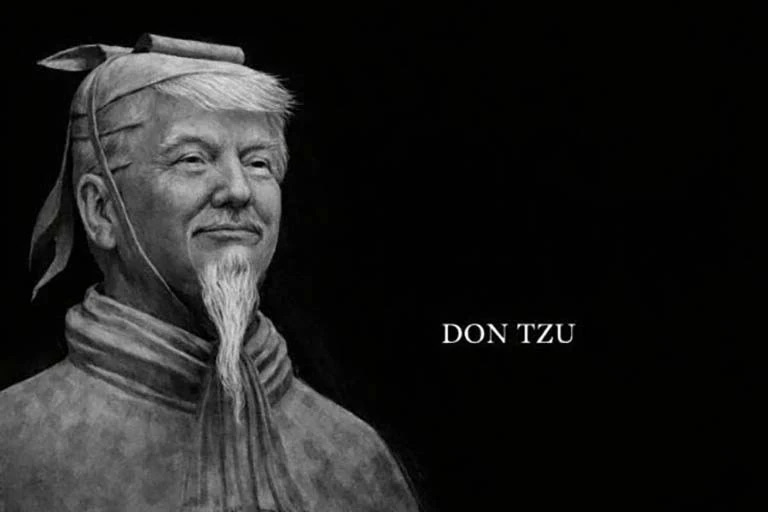
Artist and Gallery
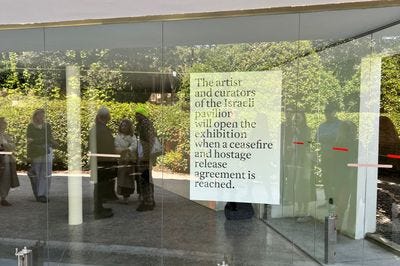
There is a significant difference between an artist withdrawing and a Biennale excluding. When Ruth Patir locked the Israel pavilion in 2024 without telling the Israeli government, they redrew the line of representation in real time. This year’s Biennale jury resigned nine days before opening because they wanted to apply that line by jury vote. Italian Culture Minister Alessandro Giuli has refused to attend the May 2026 opening ceremony in protest of the event’s decision to readmit a Russian pavilion. He called the inclusion of the pavilion inappropriate in light of the war in Ukraine. So who has the right to speak in the state’s name?
The Biennale was founded in 1895 by Umberto I and Margherita di Savoia, King and Queen of Italy. The first Biennale was opened by them in person. The Giardini layout was largely set by 1930s and Cold War politics. The smaller countries look for secondary spaces around the city. The Italian Ministry of Culture sits on the board of the Biennale and speaks publicly about which pavilions deserve a roof.
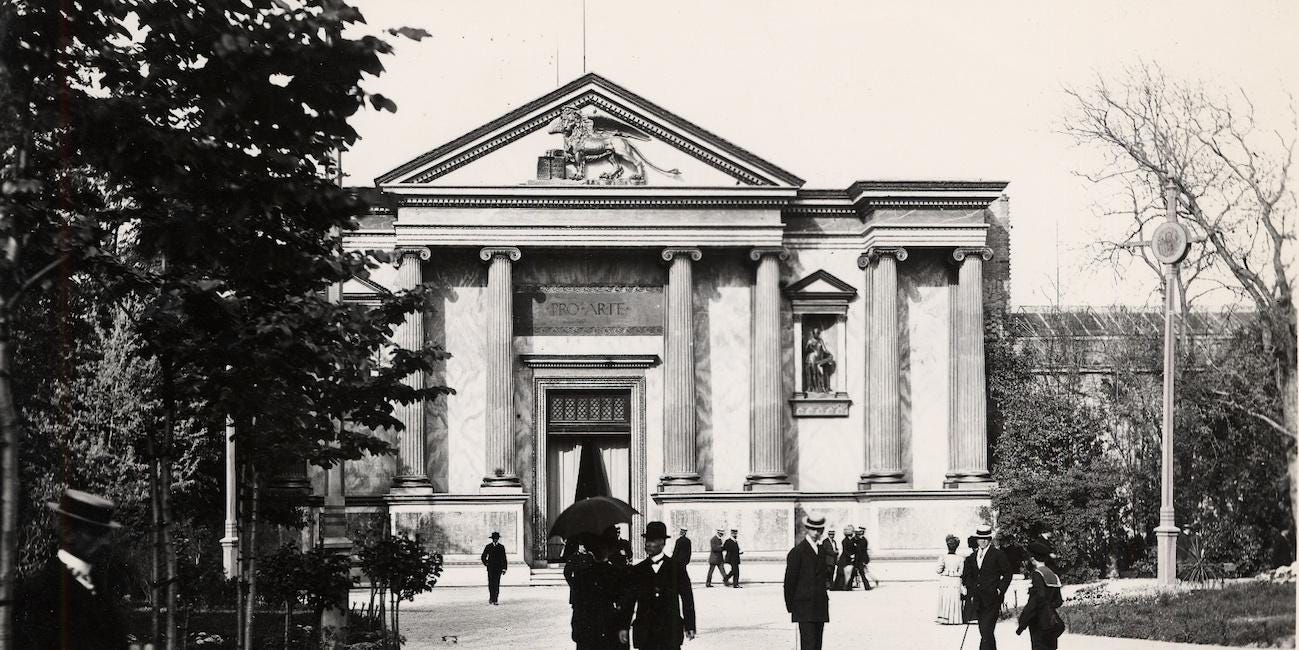
A Biennale founded by monarchs and policed by a state ministry cannot be neutral ground. It never was. The ground itself is the context in which the work is viewed. When the Israeli pavilion was locked in 2024, Italian soldiers stood guard. The fingerprints of politics are on the work before it arrives.
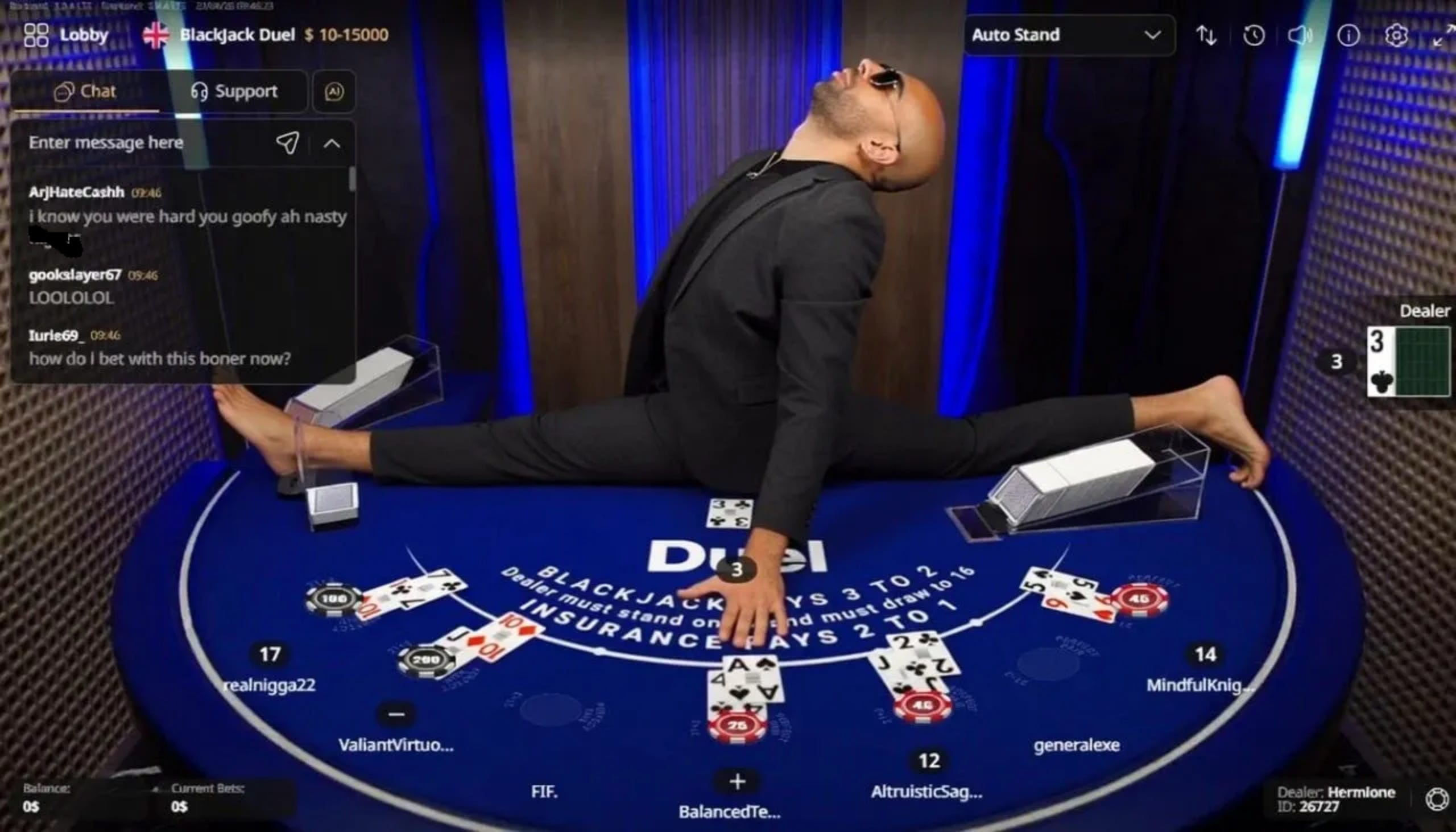
Function
If the function of art is to show a perspective, then every work also displays the system that funded it. The hands that make the work carry the fingerprints of those who paid for them. That doesn’t make the perspective less worth seeing. It makes it more legible.
I understand that not everyone who holds my work is who I would want sharing my name. I also understand that I have to make rent, I have to eat, and like all artists before me, I have to make art. But I keep the receipts.
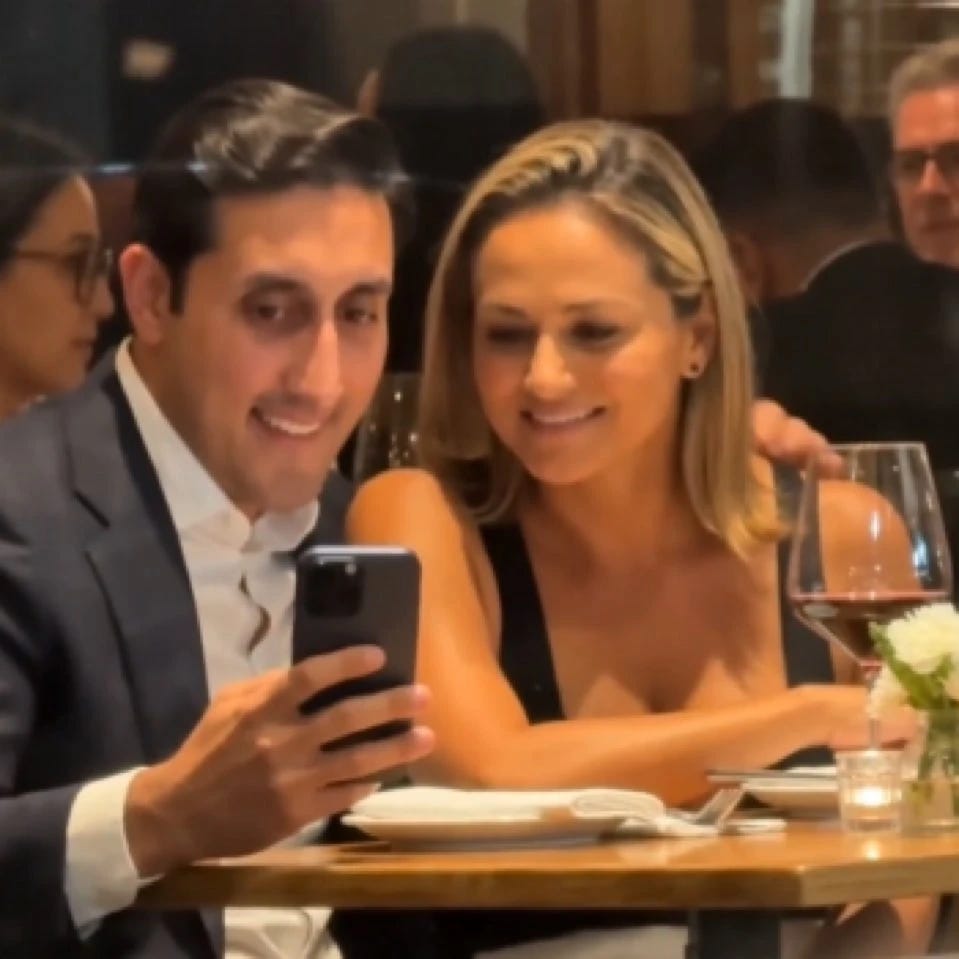
If art is the higher-order good I keep saying it is, then watching what an artist makes inside a system we object to is one of the few ways we get to understand that system from the inside. Refusing to look is not a moral position. It is a smaller world.
A world with agreeable art is never going to lead to change. And when we expect agreeable art from people we disagree with, we become the censors we object to abroad.
I want to make art. So do they. Even the ones inside systems I find difficult. Who am I to stop them?
And if I don’t stop them, then I have to ask the harder question. How much should I question the ones who fund me?
Love you loads,
- R x