


In a small underground room in the southern suburbs of Beirut sits a 36 year old man.
Dingy.
Vermin-infested.
Cramped.
Dark.
There is little ventilation.
The lingering smell of a man chained to the wall is all he has for accompaniment.
For the most part he sits alone with a blindfold on.
It’s 1986 in Beirut and Hezbollah has captured Brian Keenan.
He has spent the last six months in solitary confinement, blindfolded, chained and captive in a country he may never escape.
One day, his door opens.
A food delivery like no other before it
In the bowl today is fruit.
Amongst the fruit, is an orange.
As soon as he sees the bowl, his eyes become burnt.
Burnt by the colour.
Burnt by the orange.
He lifts it with his dirty hands, caressing it, smelling it, licking it.
Repeating the word orange as gets drunk on its colour.
He refuses to eat it. Sitting with it for days, it becomes his muse, fondling, rearranging, contemplating all that it represents.
It becomes the point of worship. His obsession with it eroding the walls that confine him.
The walls begin to sing.
The cell expands.
And his captivity begins to melt away.
And then he realises.
“My containment does not oppress me.”
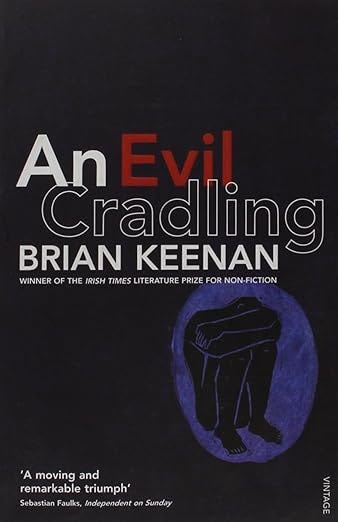
I read Brian Keenan’s An Evil Cradling when I was in the military. He was taken into captivity around the same age as I am now. And what I realised is that all I have learned about freedom I have learned from him putting the darkness of his experience into beautiful prose that lets us understand how to better experience the darkest points of our own.
I was wearing military uniform doing things I had no choice in. I longed for freedom in what I was doing. But I only found it in the games I would create to keep myself sane.
It wasn’t the only time I learned this lesson. When I was living on the streets of Paris, it was the games I played with my friend that stopped me from going inwards and collapsing under the austerity of our situation.
He spent four and a half years in captivity. Much of it with the journalist John McCarthy. Although that period of his life should be marked with violence and darkness, what always stayed with me was how he found a sense of play within it. They held imaginary dinner parties in the cell. They planned the menu, they argued about the wine, they built up the guest list. All the captors gave them was bread and a bowl, yet every night they dined like kings.
Throughout the whole experience, Keenan spent his time on a floor that someone else owned. And still, he managed to find a sense of freedom within it.
Circle
For the last few weeks I’ve been exploring sovereignty. Especially the contradiction of it in art when we consider who pays for the floors on which Art is shown.
We’re all born into a world who’s game has started long ago. The rules have already been set. The floor is already owned.
The question I haven’t been able to quite figure out is:
What does sovereignty look like when the floor is always owned by someone else?
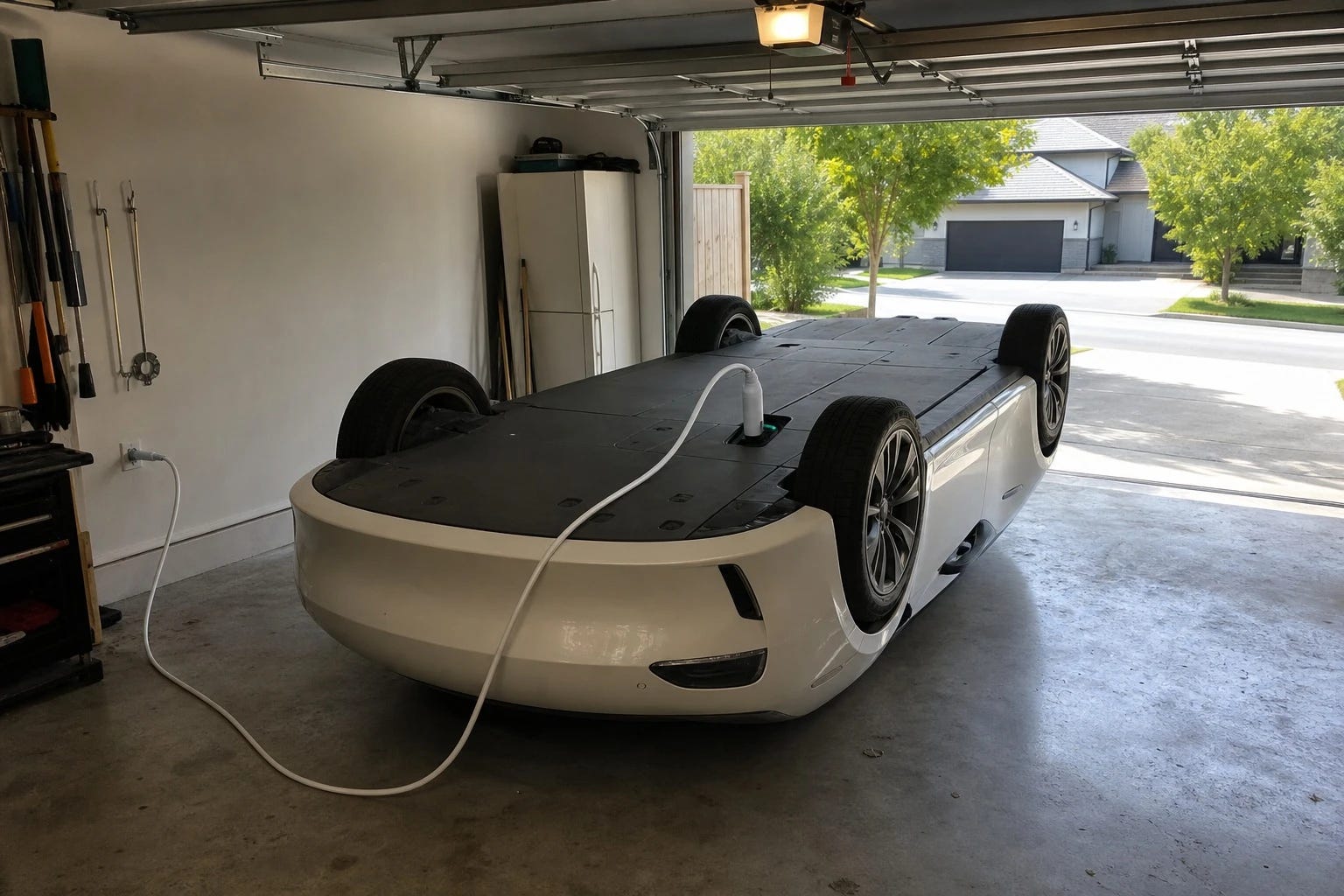
How can we be free, when there is no free land?
In 1938, at the same time the Nazis were laying the marble in the German pavilion in Venice, a Dutch historian named Johan Huizinga published a book called Homo Ludens. The Playing Man.
His idea is that culture does not produce play.
Play produces culture.
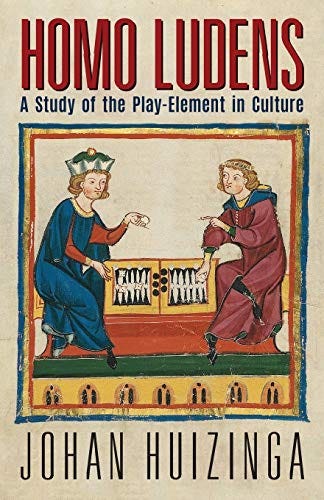
We do not play because we have civilisation, the same way that dogs do not play because they are civilised. To civilise a dog, it must first learnt to play. Humans in the same way have civilisation because we have learned how to play with one another.
All objective systems come from some form of play. Law, ritual, poetry, war, commerce, all are forms of play that have coagulated and hardened over time into rules. Some have stricter rules than others. The court. War. The temples around us. The markets we engage in. But beneath all of them is the older fact of two or more people agreeing to a game and entering it together.
Huizinga calls this bounded space the magic circle. A place inside which play can occur. He defines it as having four properties.
First, it is bounded. It has edges. It is not everywhere. There is a space in which we play.
Second, it is voluntary. You cannot be forced to play. Compulsory play is not play.
Third, it is free of material interest. Play is not for profit. The minute it is, you are doing something else inside the form of play.
Fourth, it absorbs the player utterly. When one is inside the circle and playing, the only world that is important is the one inside the circle.
He defines these four conditions as the conditions for freedom.
Keenan’s basement would not naturally be perceived as somewhere free in any conventional sense. His captors controlled what he ate, when he was chained up, when he was allowed to use the bathroom, where he would be, and what light he would experience. To some degree, it’s the same level of control that rests over all of us when it comes to the rules and sovereigns guiding money, land and politics.
But within that cell, he and McCarthy built a magic circle. They shared stories, made games, constructed a space the captors were not allowed to enter. Inside that space, all four of Huizinga’s conditions held. Bounded. Voluntary. Free of material interest. Utterly absorbent of its two previously unfree captives so that they had a sense of freedom within it.
Even though the captors owned the floor, Keenan and McCarthy found play as a way to gain sovereignty.
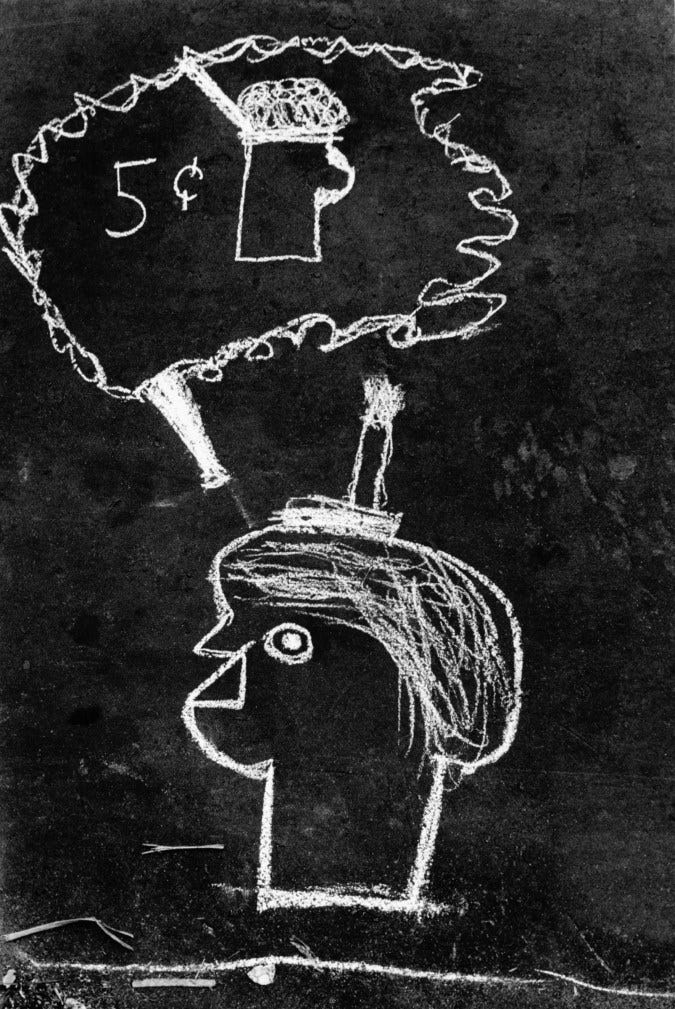
Sovereignty doesn’t come from the refusal of our captors, nor the ownership of the building they hold. It comes through the construction of our own magic circles on the ground we do not own, where our own rules hold and the captors cannot follow.
Flag
The art world’s standing narrative is that art needs more support. Scroll through any social media platform and you will see the never-ending appeals for more public funding, institutional protection, grants and residencies. The argument positions artists as a sector that cannot generate sufficient value and therefore requires subsidy.
I think this is a failed framing of our situation.
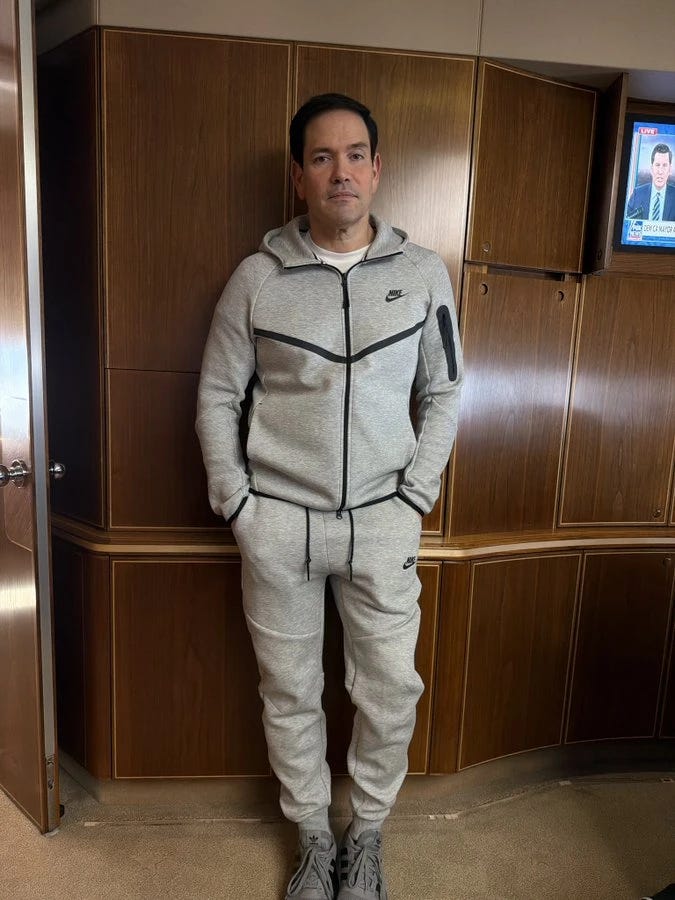
If Huizinga is right, and the more I read him the more I think he is, then art is not a sector inside culture. Art is one of the forms culture is originally made of. Play precedes culture. Art precedes culture. They are the older fact of what makes us human.
The minute we define art as being constrained by the market and its allocation of resources, we define art as something that lives inside whoever defines the resource allocation within those cultures. It implicitly means art is no longer free. It is a byproduct of the people who pay for the floor.
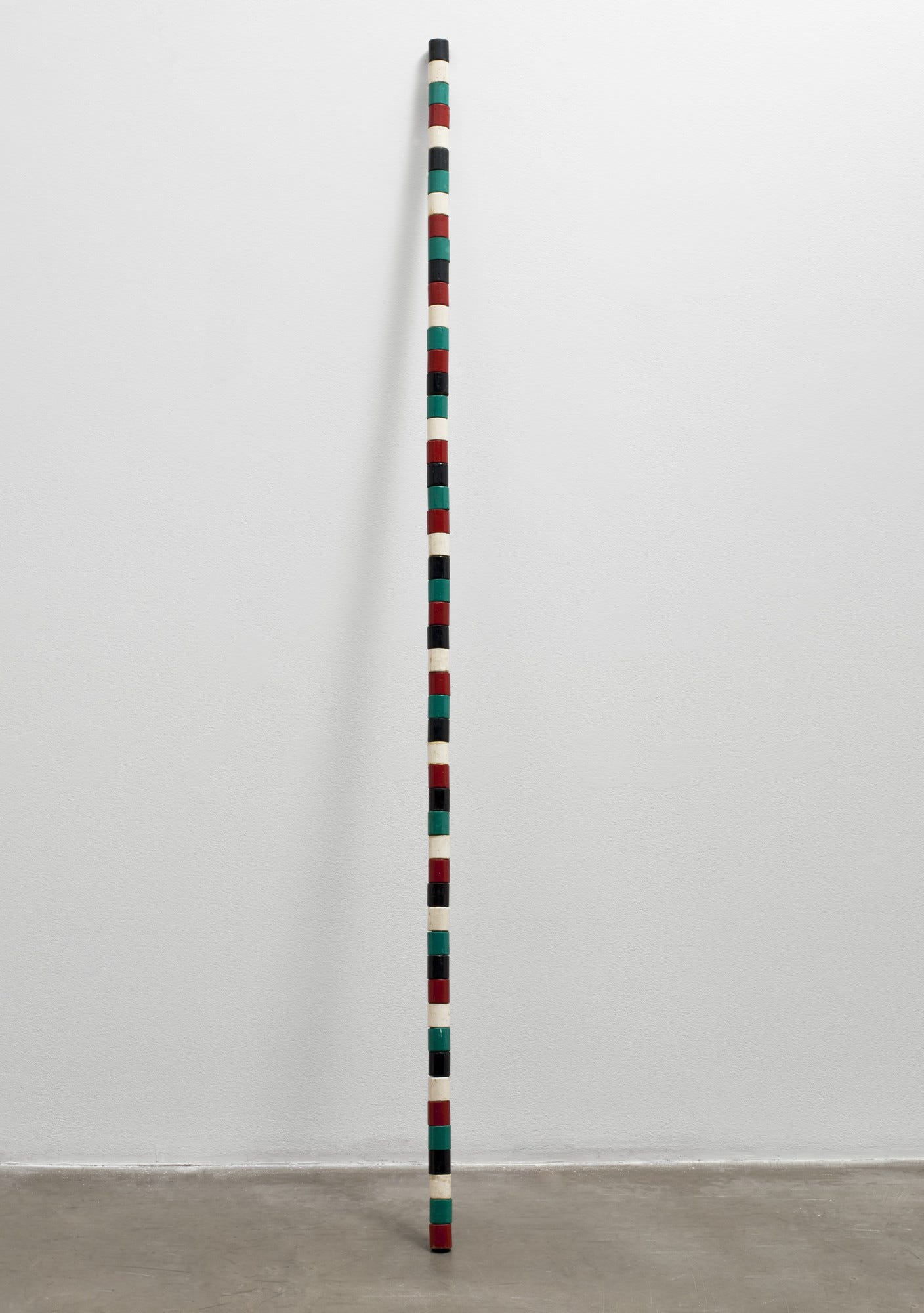
I believe the flag of freedom should fly higher in art than in any other industry, because art is the only industry whose product is not a thing but the prior fact of free, voluntary, bounded play. We are the definition of freedom.
Every other industry exists to extract resource and arrange it. Art exists to remind us that the arrangement is not the point. The point art makes is that we are inherently free. And we always will be.
There’s no escaping rent. There’s an existing game we must participate in to make it happen. But we often become conditioned by participating in it, and begin to think the whole purpose of our lives is to build larger and larger circles. To become free.
Yet there’s no shortage of people with large circles that have become empty, telling us that maybe there’s a deeper point at hand.
When I think about Keenan and McCarthy, two people telling stories on the floor of a basement chained to the radiators, maybe it’s that. The ability to find our sense of freedom in a world that’s always owned by someone else.
And maybe there lies the role of art. As a reminder of how to make magic circles wherever we are.
How do we become sovereign?
We do so by remembering that we can always play.
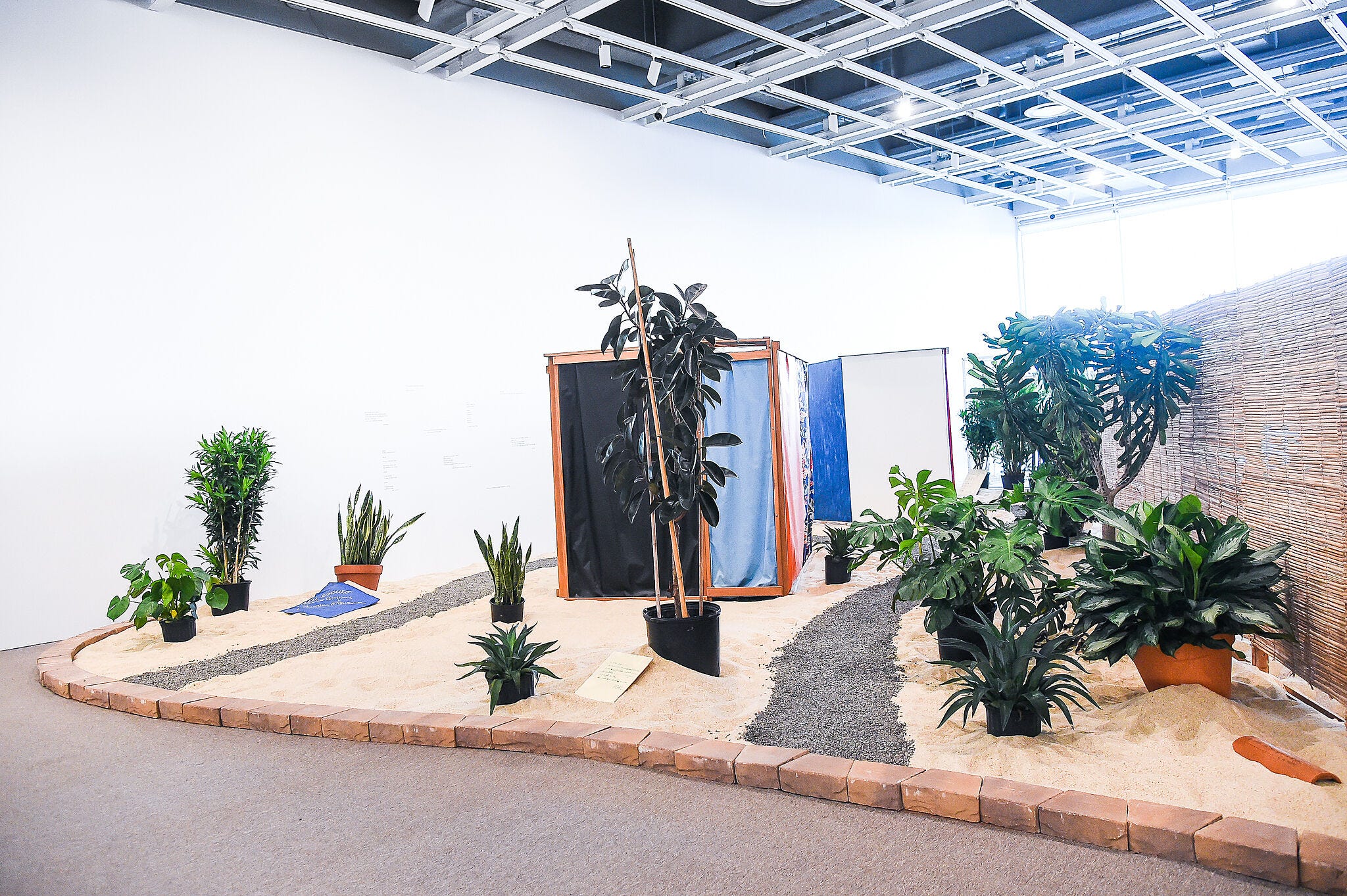
This week I’m trying to find a sense of play by building my own magic circle.
I’m installing tomorrow. It opens Tuesday. By the time I write about it properly next weekend, you will have missed it completely.
Inside there’s a sanctuary you can sleep in. There’s a playground with games you can lose at. There’s the conversion of what the institution’s owners define as a playground into what I would describe as a magic circle of play of my own.
I have spent the last week calling in every favour I could to make it happen. Thank you to everyone who resourced me well enough that I get the chance to play a little bit more.
My bet is Huizinga’s. If play precedes culture, a person dropped into a properly constructed magic circle will produce culture by being there. The work is bounded by the space they enter and the time they spend inside it.
Much like my one rule of art. All we are trying to do is “keep the viewer within the frame of reference.”
I’m making the bet that the audience that frequents Ladbroke Hall, an audience used to engaging with art at the level of high-design aesthetic, might take a few steps further in by being given somewhere to play. And see my perspective on art. And hopefully when they leave, they take the circle with them.
It’s a small step towards the evidence for an argument I can’t put on paper better than Huizinga did ninety years ago. Or maybe it’s just a way for me to justify that I still don’t like being on boats. That when I’m on one that’s owned by someone else, there’s a way to find my own sovereignty. And that’s something nobody else can take from me.
Poets Corner
Remembering Seasons

Winter hits like buckets and balloons of water,
more ice than water, more water than balloon or bucket,
thrown at the flesh, thrashed against the wall

Autumn appears like a blink of late bloom,
blanketing safety with threaded dead leaf and hindsight,
between shots of cold winter’s firing squad

Summer flashes like the flicker of leaves, flying attachment
to trees, and the warmth of a sun in the distance,
sinking into the sand of it, pretending away the freeze

Spring eventually shows like a world waking up,
buckets empty of balloons, empty of ice and water on flesh,
all thrown, forgotten, remembered, forgot

- Thomas May
Playground
If you’re in London this week, come by. Eat at Pollini, it’s one of my favourite restaurants in London. Plan the menu. Argue about the wine. Take a few minutes in the sanctuary and remember you are sovereign.
When this city starts to feel like a prison.
Come play in the little magic circle I have built for us all.
I’ll be there. Come say hi.
Love you loads.
R x