


The air is fresh and salty.
The sun is beating on my face.
I am sure of one thing.
I am not for this.
I do not like boats.
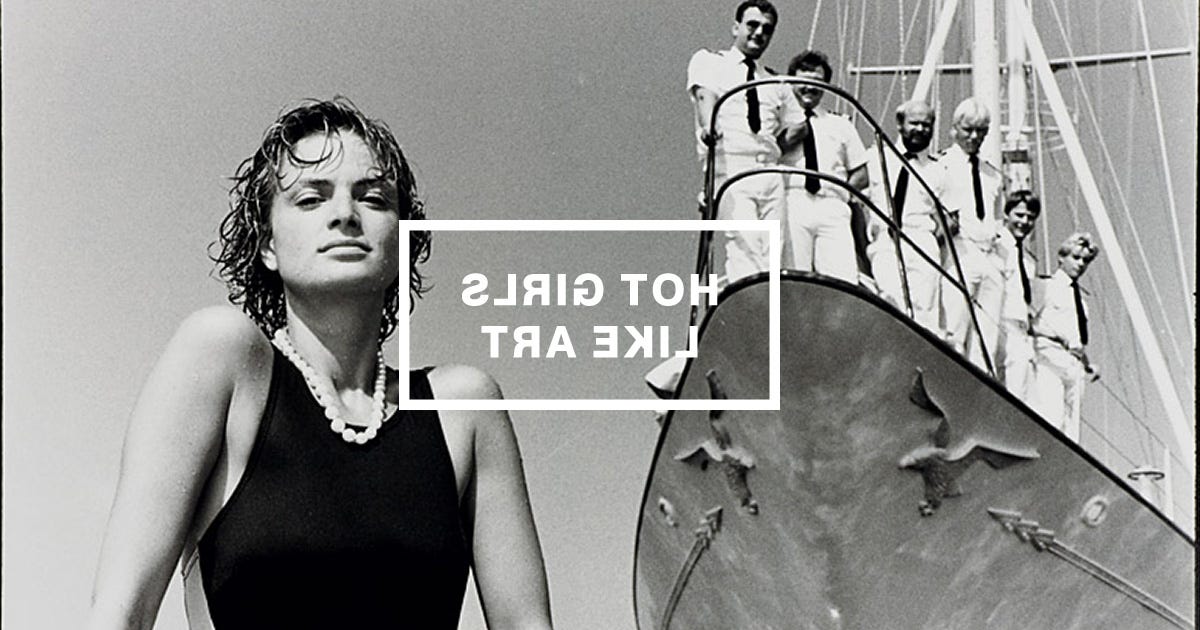
It’s not so much the boat. But everything attached to it. In fact, once I had to learn to sail a Laser, and once I’d experienced the freedom that comes from harnessing the wind while sitting in a piece of plastic, I can agree. It is very nice.
But someone else’s boat, while not moored up, close to the shore, and someone else harnessing the wind and taking it wherever they want, makes me begin to lament my politeness. Worse still, they decide to have a party on board and I’m not allowed to leave.
When I left the military, I was given some golden advice. I knew I had to start meeting real humans at real events, and I found the whole thing very overwhelming. I prided myself on not having to do any of this schmoozery in the military, but knew there’s a certain amount of it required in any industry. I just wanted to know when the right time to leave was. When was it that I would know I’d done enough of the insufferable art of soft collisions and nice-to-meet-yous that I could go back to doing what I love in my studio.
He said, “as soon as you think about how you’d leave, you’re already too late.”
I’m grateful for that.
Consequently, a boat is not something I want to be on. As soon as I step on board, the first thing I look for is my exit path. I always feel like there’s an implied ownership of my space and time. Even though I may want to head in a certain direction, I’m bounded by the edge of the boat and the captain’s hidden desires of where he might want to take this. As soon as I begin thinking about that, I understand that I am in direct conflict with the person that owns the ground I stand on. Given the prestige and grandeur setting of a boat, it’s generally impolite and risky for me to point out that I never really wanted to be there in the first place. I’d much rather be at home reading a book.
So boats, as seductive and impressive as they are, have always been something of a nemesis.
Floor
I just came back from Venice. The question of who paid for the floor stayed in my mind.
Last week I wrote about Hans Haacke taking a jackhammer to the floor of the German pavilion, removing the marble laid in 1938 when the Nazis remodeled it. A return to that same pavilion this year saw the work of Sung Tieu, remodeling the facade to look like a Vietnamese social block that she grew up in. Fateful work.
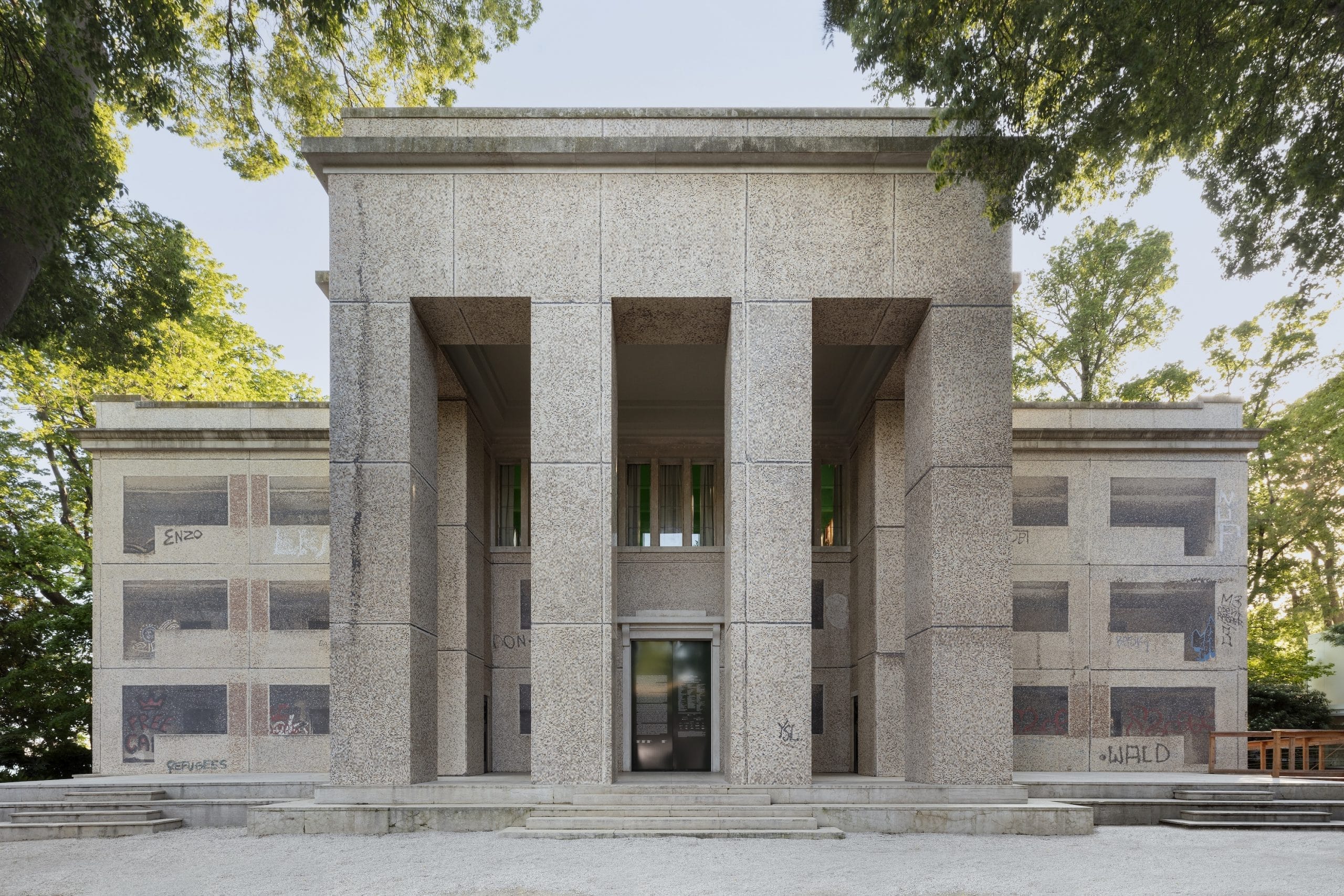
But underneath all of this, the question still remains.
Who paid for the floor?
I don’t think it’s my place to judge the work of other artists. View, learn from, understand, but there’s a world of critics and curators out there with a much better idea of what’s happening than I do to tell you about them. I wanted to go out and see how the biennale looked from where I stand, and maybe see if I could look under the carpet and see how it really looks.
The obvious summary of the Biennale is that it’s a soft power vehicle for nations. Anything where the flag of a country is attached to something requires some level of allegiance to the rest of what that flag represents. I’ve worn the flag, I know how it works. Selection to bear it is more often based on alignment and coherency with the incumbents and the wider context than the ability to deliver exceptional performance. It’s a risk-based system that protects what has come before you. Just as the riskiest military and security operations are handled at an arm’s length away, the same goes for the art.

But art as a soft power initiative isn’t exclusively constrained to the nation-state model. There’s a second class of budding global influencers trying to gain from association at the shows. The funding for each show comes from a wide array of sources. The terms of each deal are unclear, but the placement of the name next to the work is a deal. It sounds dirty for an artist to be picking up cash from a brand, but the reality is that the financing of art is a long cash flow process. Art studios run more like big R&D companies than fast cash businesses. Stable funding for something like Venice is often a necessity.
I put together what I think is a small look into how each of the national pavilions are funded this year. It’s like all of these little digital projects, just a way for me to understand the data that I’ve got here. Hopefully, you find it interesting too.

Trade
Venice is a city built on trade. On the way to the city, I read through Italo Calvino’s Invisible Cities. Although there were shadows of the world Marco Polo once described, it has now become somewhat more homogeneous in experience. What was once a city full of traders across the world, with the scent of magic in the air, is now a place that for the most part is nice to visit if you want to feel like a tourist.
Tourism brings in around €3.8 billion a year for Venice. The Biennale’s main exhibition runs at around €5 million. Individual pavilions cost €1 to €5 million each. The historic centre of Venice has fewer than 50,000 residents, two thirds of which have been displaced to the mainland because landlords have realized that Airbnb pays three times more than the long-term leases they survived on.
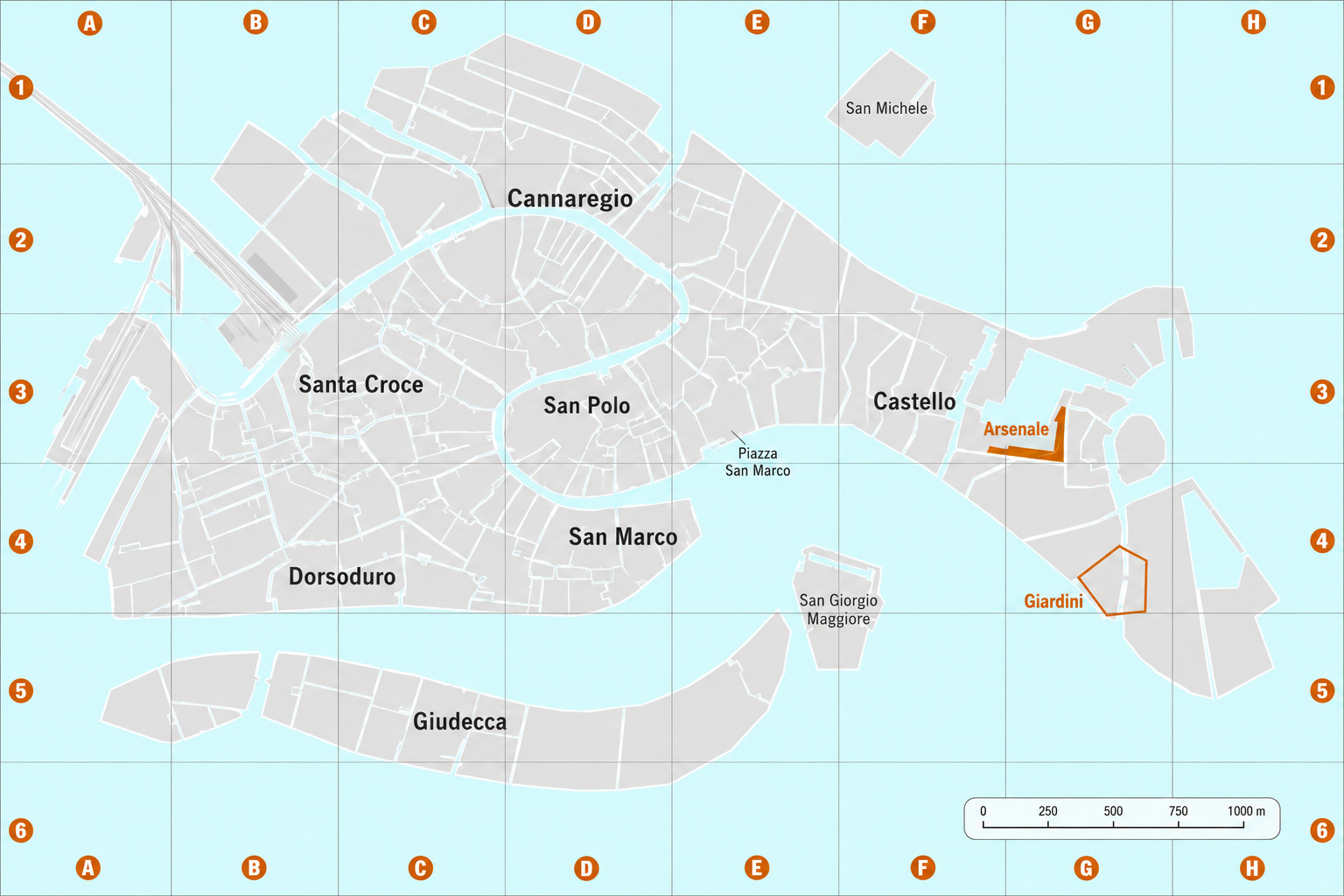
The Biennale is not the product that Venice is selling. The Biennale is the marketing department for the address. The city is the asset. The pavilions are tenants paying rent in prestige to keep the address valuable.
This year the satellite shows seemed to have the lion’s share of the fun parties. Those on the dime of their nations and the press that support them partied in the main pavilions and got out of town pretty quickly. The private collections, including the Guggenheim collection, ran a separate party list throughout the week, moving their various collector bases around town into ever more competitive rooms to fight over the PDFs of available works.

I met one of their budding young collectors in a cocktail bar with a friend. After going through the initial pricing of who I was, he began to show me his VVIP sales experience that day at Versace, and told me that he had a very important dinner to go to that evening. He couldn’t remember the artist’s name.
He’s an example of the system at its purest. He is buying access to belief about himself, his role in the charade. The works by the artists are just the equipment he is using to get into the game. He doesn’t remember the name of the artist because it’s not the reason he was ever there. He just wants to be in.
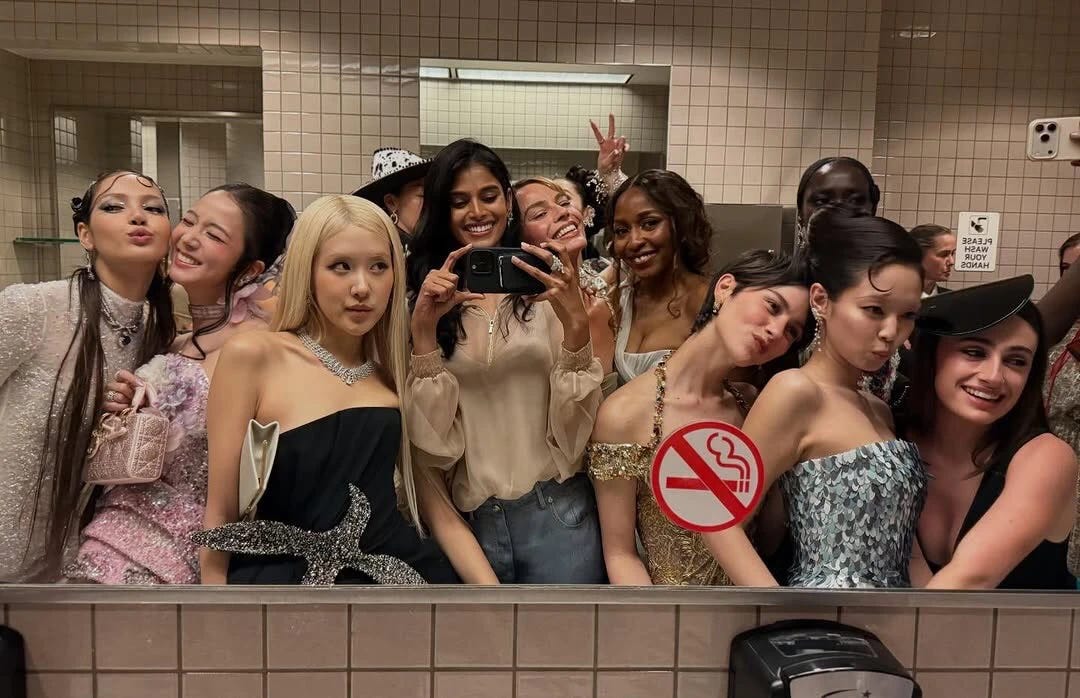
There’s a layer underneath the real estate. A layer of culture. Although the captain of the boat may have no actual authority over me, he is still the captain because everyone believes that he is. He’s the captain to me because I keep believing that leaving early would be rude. The pavilions have soft power because the world keeps believing the flags that they represent still mean something. The collector keeps the whole machine running by believing that being there means he is part of the group, and we all keep him at the bar by agreeing that it does, but only if he chooses to buy something that we show him.
The boat only floats because we all keep believing it does.
Island
Maybe the honest objection is that we should step off. Refuse the biennale, refuse the gallery, refuse the satellite shows, build something direct. But no man is an island. You don’t have to look far into the works of those that live outside of critique to see that they often struggle to go any deeper than mere aesthetics. For the internet, design and media artists that proliferate the world, they’re just battling with a different culture. Whether that be social media, their own landlords, or a market of people that don’t really want to engage in what this side of art really defines itself as.
The connections between art and real estate aren’t that nuanced. Galleries occupy good locations, they have nice walls. The Bermondsey White Cube has great light. It’s a beautiful place to show your work. Who wouldn’t want a giant white wall for their things? And they sell. Having good work in there makes the value of that ground go up.
There’s no end of areas in developing cities that have had huge amounts of value added to them by putting artists in there first. Shoreditch, London Fields, the Lower East Side, Bushwick, Wynwood, Oakland - all of these places relied on a strong artistic group to come in, get rid of the needles on the floor, and make it cool and hip before the developers can come in and make money on the groundwork done for them.
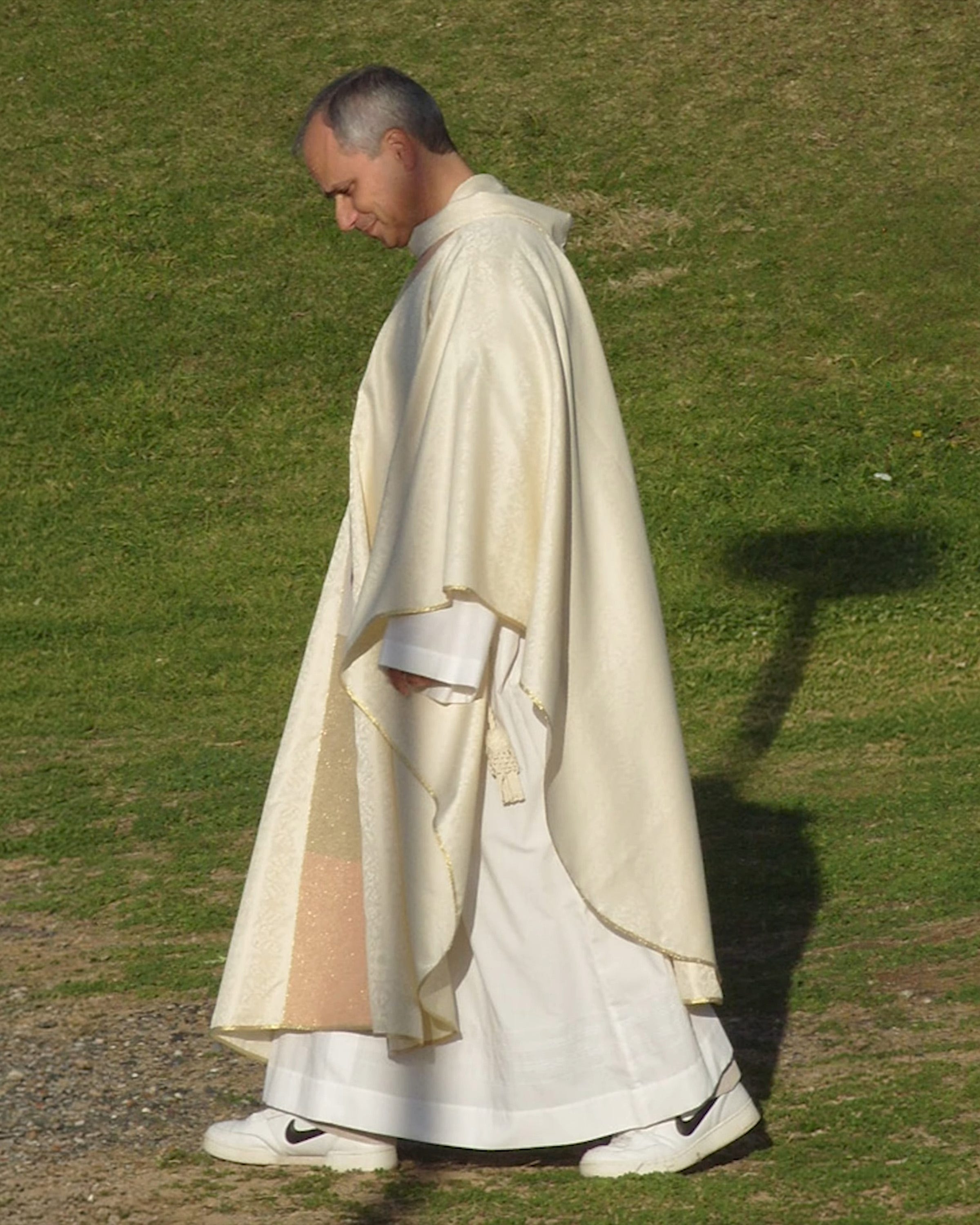
Is that all the artist is? Because the side of me that really believes in it and that it has some value beyond a product with a function wants there to be more. But when I’m critical about how I see it here within this context of national perspective, I’m not so sure. Maybe we’re all just trying to make a living.
Irony
I have a project going out next week, and some of my closest collaborators and friends are flying over to make it happen. It’s at a prestigious venue, and I’m going from posting this to sending out some unhinged messages to patrons and marketing directors of brands to see if I can get it funded. It still isn’t.
It’s not the first time I’ve had to do this. I’m slowly becoming more and more comfortable with selling parts of myself to make the art go.
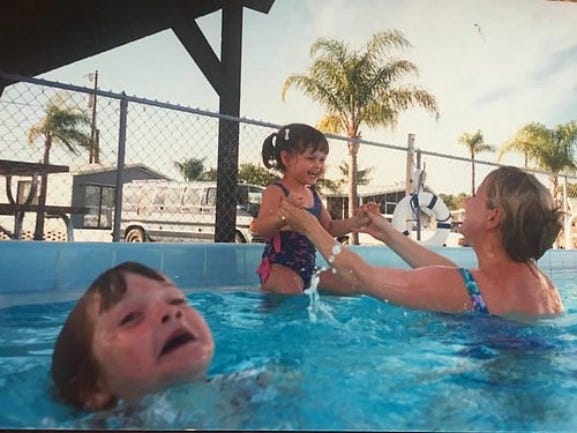
Three times in my life as an artist, I've had to run a fire sale on paintings to keep my head above water. Each time, the noose that saves me gets tighter. The responses get fewer. But those that do reply, I know have my best interests at heart. I’m fortunate to have a noose at all. Many artists don’t. Or maybe they’re just happier on the boat.
Sovereignty
The more successful an artist becomes, the more risk they have to take to increase sovereignty. Because as the stages and ground get bigger, they become harder to defend, harder to resource, and less of themselves can fill it alone.
Every act and action we take is a question of freedom, and how much sovereignty are you able to maintain, or how much are you willing to risk to gain more.
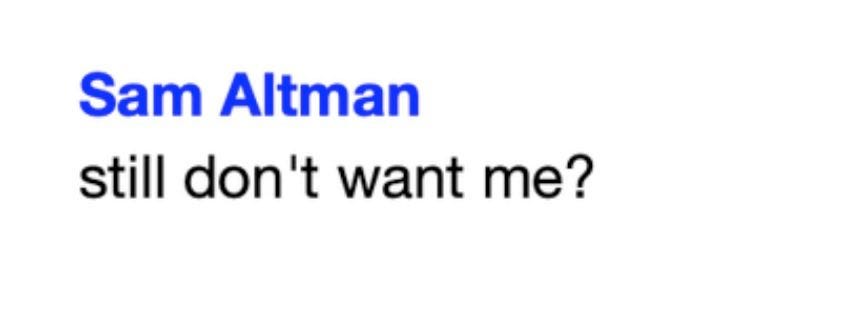
I hoped that I would somehow be able to go on this trip to Venice and understand the relationship we have to the people who pay for the floor. I would hope that there may be some trick, some little piece of magic in the art that I saw that helped me understand how to make it happen. How is it that art has more leverage than any other product in the marketplace? Or maybe I’m overintellectualizing it, and it’s the magic itself that we need to focus on.
After all, Art is special.
and so is everyone involved in it
especially that guy in the bar…
and that one with the boat…
Love you loads.
- R x
p.s. If you’re a brand and want to do something cool for Chelsea Flower Show with me, one of the best restaurants in London and a cultural space most people would fight over… hit reply