


“I learned very early the difference between knowing the name of something and knowing something.”
- Richard Feynman
In 2019 I was in Japan with some Japanese businessmen. We had been driving through the country after spending a weekend together in an onsen. We pulled over in a mountain pass and walked up some stairs. I didn’t know where I was.
We had arrived for a fifteen-course tasting menu. I assumed sushi. It was not. A plate arrived with every course was already on it, in fifteen compartments.
I watched the order in which the others ate, and tried to keep their pace. Pace tells you how to savour a thing as much as flavour does.
I put the first piece in my mouth. We were not in Tokyo anymore. It was a wet, pungent, slimy, cold fish. Not a flavour or experience I was well versed in, or able to enjoy.
I waited until the others were ready for the second. There was no discussion of what was happening. A private experience, sat next to one another. Each on a solitary journey down the same path.
The second object entered my mouth. Crunchy, cold pungent fish. This was starting to feel like a long meal.
I went around the plate meeting the same flavour each time. I looked around but I was the only one concerned by the experience.
By the seventh, I realised I was misunderstanding something. Before we moved to the eighth, I noticed the man opposite squeezing the object with his chopsticks.
I knew what to expect, cold pungent fish, but I watched him prod and poke it before he lifted it to his mouth. I watched him understand how the object felt. Using the chopsticks to understand and feel, rather than simply move the food from plate to mouth.
And then I realised what was happening.
The meal was built around a single flavour, and the kitchen’s ability to hold it across fifteen sea creatures with fifteen different textures.
Texture was the language they were speaking.
It was only because I learned to see how they used their chopsticks that I could enjoy, at least partly, what I was being given.
Taste
Taste is an asset wielded to define in-group and out-group status. Those with poor taste are deemed to not understand the standards of the group, and are thus excluded. For the most part, these unwritten rules are an aspect of culture defined from the centre of any group to ensure the group is cohesive and protects the incumbent centre.
The centre of the culture defines what it the rest should value.
If you want to get to the centre, learn the language. If you want to climb the hierarchy, follow the rules.

In London, within the international crowd, where you come from, what you do and who your network is defines what doors open. For those of us more nationally rooted, it is a caste system. What school did you go to? Where were you born? What do you do? Where do you live?
Any form of communication that outlasts the moment it was communicated can be said to be a form of written record. The written record defines the language. It establishes how things are across time. And the same is true within any culture.
The written record takes more forms than the words we inscribe and send to one another, although this newsletter is a form of it, there are many others. Every change we make to the world around us is language made permanent.
We walk through fields over years, scoring the ground beneath us, until paths are made. Eventually, these paths become concreted over. But that’s only when someone from the culture pays for the concrete.
Communication is a trade of energy between two bodies that cannot feel what the other feels. Language is its base form. When the trade matters enough, for long enough, we make it permanent.
Unfortunately our memory is fallible, but the written record is not, it maintains culture by removing the fallibility of being a human.
Just as the graveyards are marked for the generations ahead, our hearts will break over and over again, reading love letters from those that we’re no longer in contact with.
The written record preserves what we shouldn’t forget.
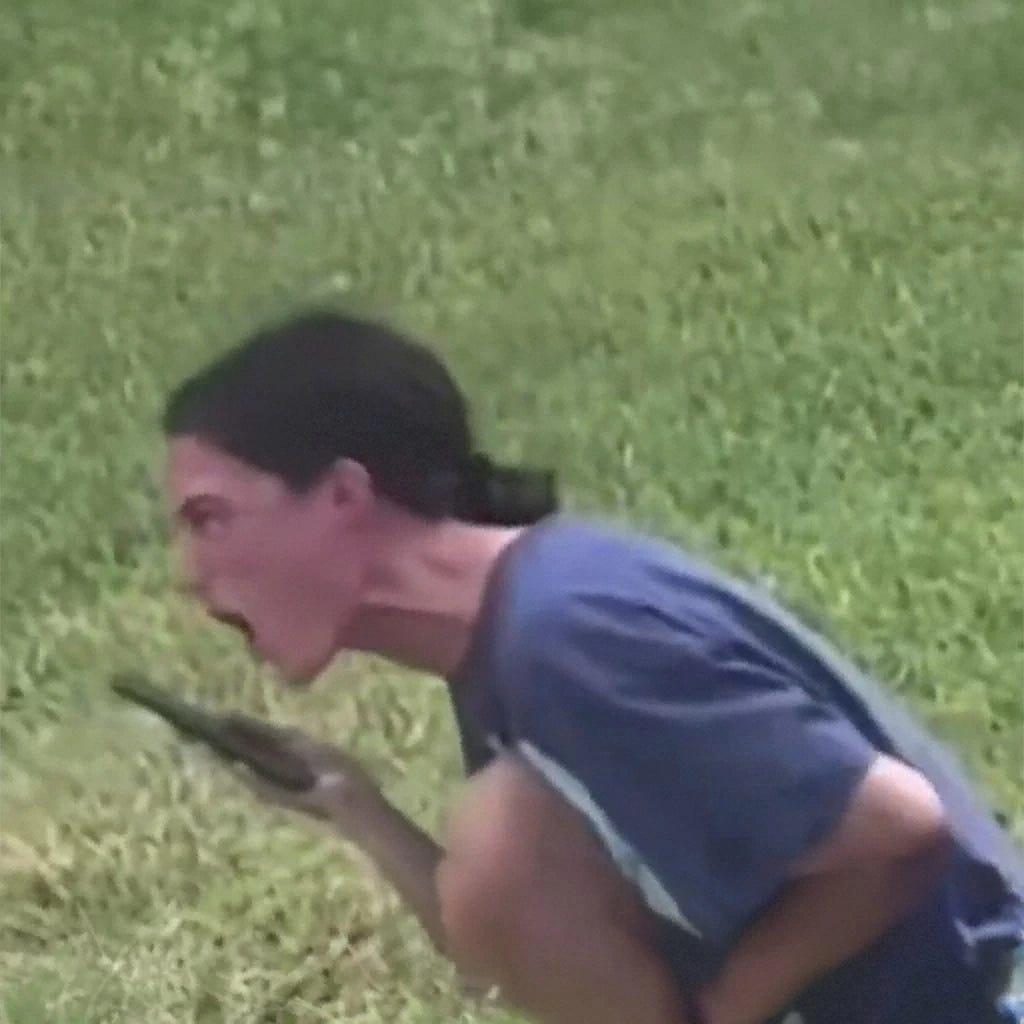
Taste exists in the space before language becomes the written record. But we all learned to walk on paths someone else had already scored into the ground.
When we’re stressed, the world can seem shaky. When we’re stable, it can seem safe. If I feel cold. I wear a jacket. If I’m scared. I look for shelter. Over time we build walls. Protecting ourselves, isolating ourselves. Isolating our cultures.
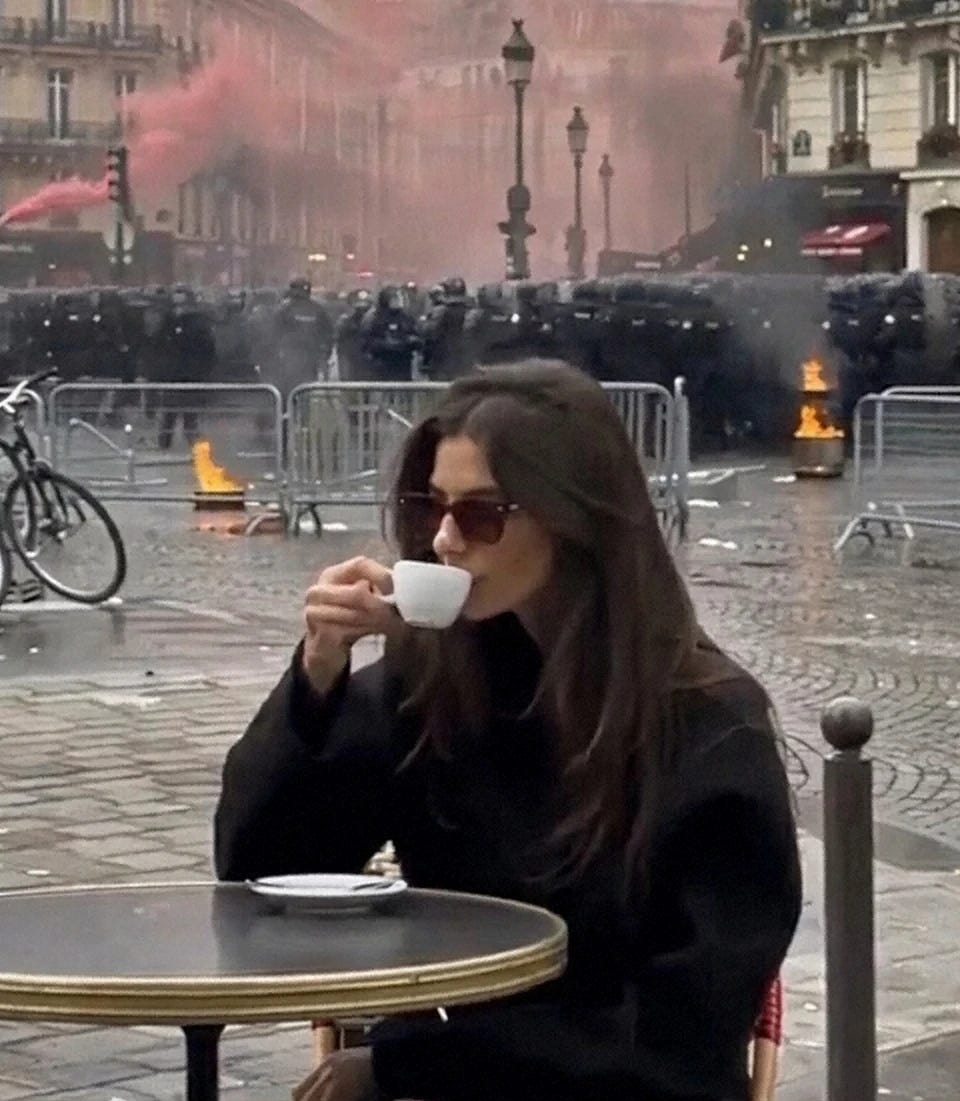
Art sits in the written record as a unique tool. It reports from a place seldom visited, a culture of one from a place where an artist has decided to stand and mark the ground for those that are willing to lese.
The artist takes tools to these places so that they can communicate back. The mediums of choice are varied but recognisable: painting, sculpture, poetry, film. They are delivered in common formats, so that the culture they want to reach can decipher them.
But whatever an artist appears to depict, what they are showing us is partly what they see, and partly their inner world.
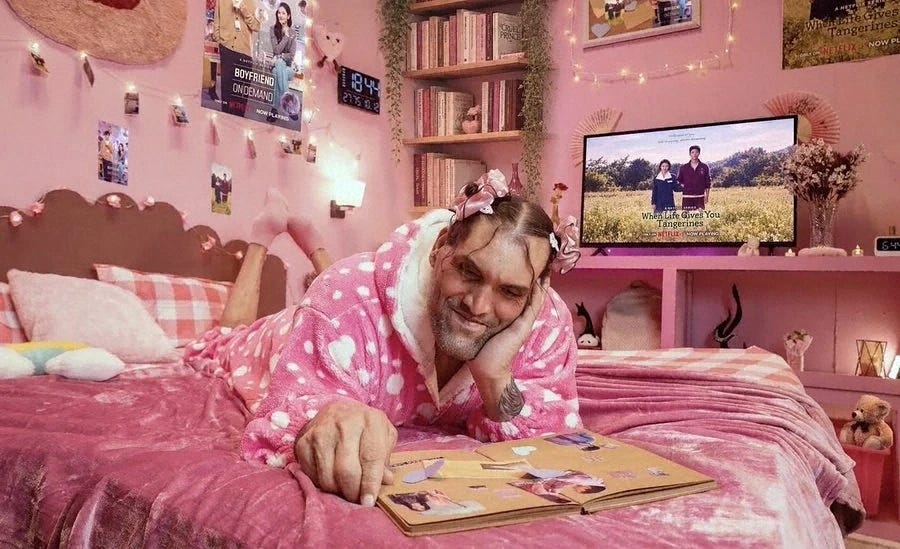
If we look at how civilisation depicts the human we can see clearly how any given place in history and geography saw itself. What did it value? What did it see? Who did it pay to see? Who did it pay to speak?
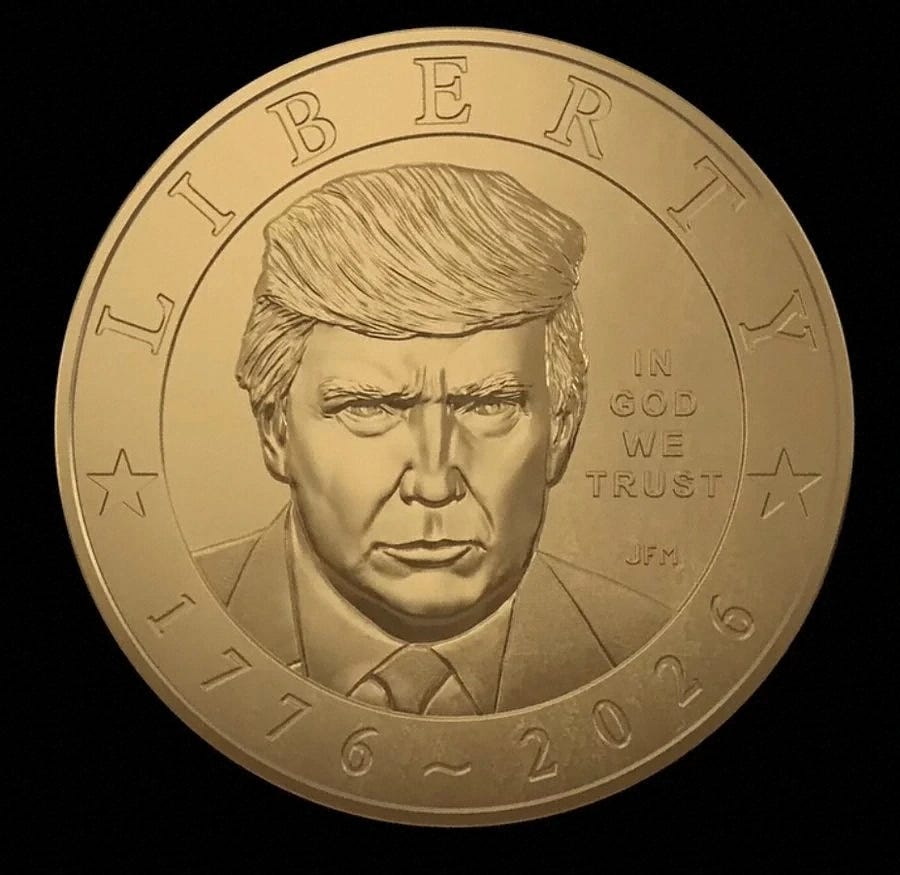
When we look at contemporary art, whether that be music, media, or the fine arts, it can be easy to consider those that exist today as being in conversation with one another. But what I’ve learned over the last few years is that some of these conversations, especially those that go deeper than what is easily understood, are more easily understood when we consider that they are happening across time.
Conversation
There are lineages in art. Aligned through medium, field of exploration, technique, ideas. Artists reference one another: homages, nods, little taps towards the people that have inspired them. Breadcrumbing, in their written record, the tools they used to reach the vantage point from which they now deliver their map of the world.
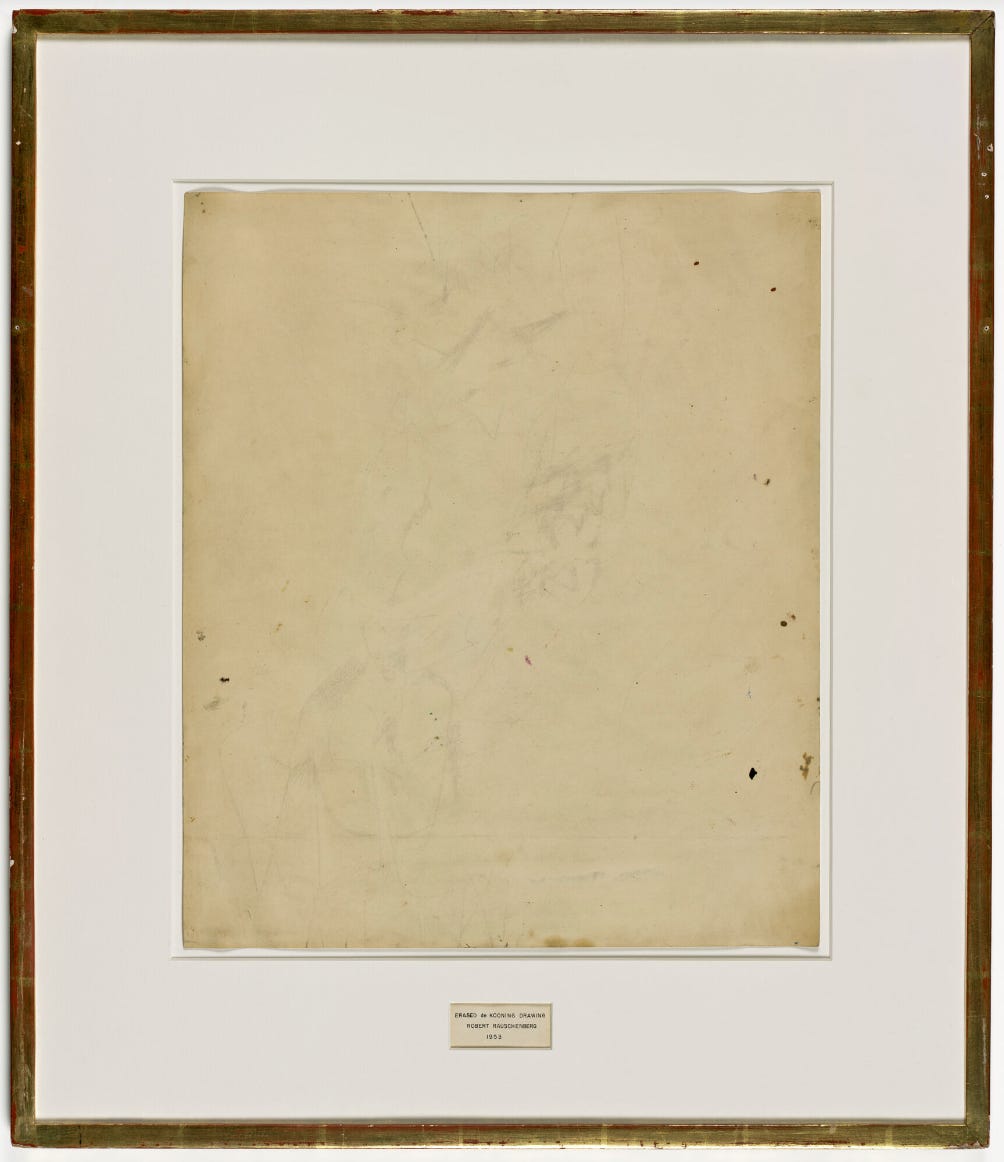
Each artist using the previous holder of the frame as a stepping stone to further the conversation. This can be seen in maintenance of ancient crafts most clearly. But the same holds for those looking to maintain ideas on how we exist or how reality manifests for a human group.
How we as a culture frame reality, and who we choose to hold that frame, decides how the future looks at us. How it will understand the way we saw. That doesn’t necessarily mean we will always choose the best people. But we will choose those that see the same way as the culture defines.
Nevertheless, there will be those in the future who will look back and realise that maybe we were wrong, and that those who maybe didn’t climb the incumbent systems rules saw clearer. There are always humans who see further because they took shortcuts or went their own away. Those who understand how we should treat one another before the rest of the culture realises what is happening.
For a long time, I thought about the art world as a cultural castle, one I had to learn the language of to get to the centre, and then navigate until I find my way to a vantage point within it. Over the last few months, I’ve begun to realise that there are many places where one can better view. In many of these places over time, artists have built lighthouses and castles of their own. Ensuring they stay protected from the cultures around them that don’t want to see what they can.
Everyone struggles with validation. But having someone inscribe that my thoughts are acceptable, from a place where they don’t want to see what I see, helps no one who wants the best view.
Leverage
I went to a dinner last week. I was sat next to a self proclaimed collector, it’s a title people enjoy to use. They asked about my work and I explained that I’m interested in the malleability of identity. That I picking away at the systems and ideas that let us feel freer by understanding the tools we use to control one another. That it’s only by understanding the shackles that bind us that we are able walk free. She cut me off and pointed out that I would be much more effective if I chose to do this in politics instead of art. Which I thought was a weird thing to say to an artist after asking them what they do. Maybe she’s right. But from where Im stood, and seeing what I can see, I doubt it.
For me, art is the highest leverage good there is, if you get it right. It allows you to show the world something that can’t be said in any other language. It illuminates the shackles of reality like nothing else, through a language that can only be developed though experiences that are rarely understood and shared, and always from a place that no one else can get to. Through are we can say something to someone across time that they need to hear, something that maybe can no longer be said, and may never be said again. To help them freer in the experience they’re having, by making them feel less alone in it.
Any generational piece of work that resonates beyond what the critics tell us to feel will give you this sensation.
It’ll rock your bones.
And if it’s from the right perspective.
It’ll keep doing it forever.
Final Words
Next week I’m going to be sharing some more stuff related to my painting practice, not to be fashionable, but they seem to be getting popular again.
Maybe that’s me focussing on what I believe in with that work, or maybe it’s that I’m taking part in that conversation across time that I’ve been listening to for so long.
But something is resonating, I can see that.
Either way, it’s time to show you the part of my practice that I understand the least.
I love you loads
Your obedient servant
R x