


I am defined by the world around me. By the flowers and the decay. And no matter how loudly I bang the drum of freedom, no matter how much gold I keep in my pocket, I am still shackled to whatever the world decides I am.
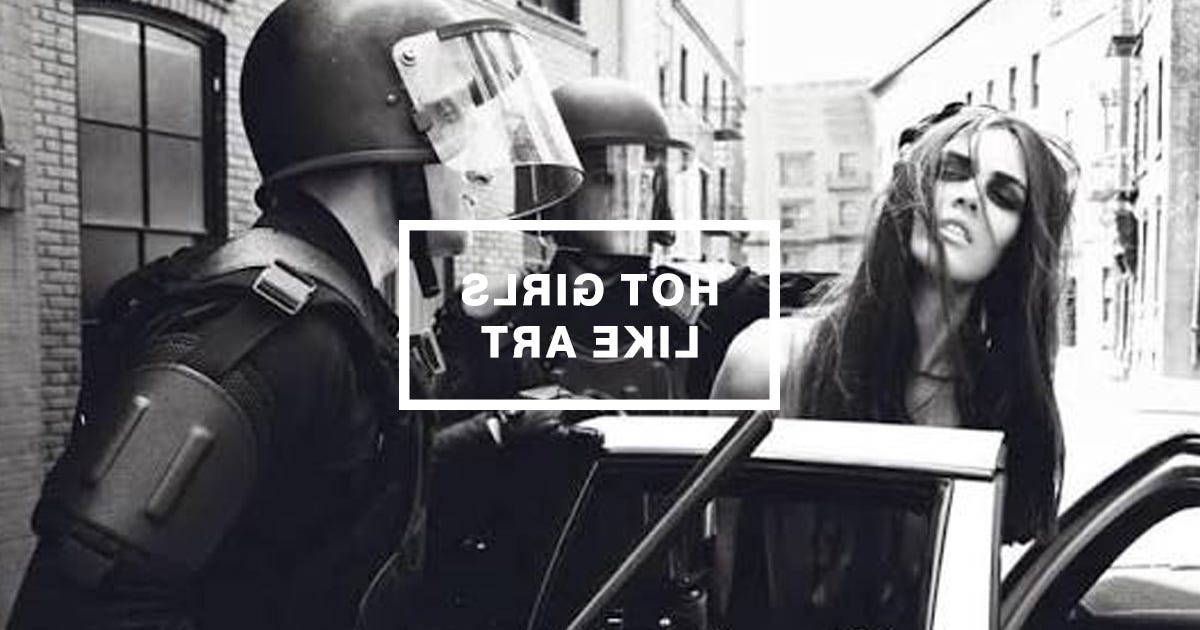
It’s been a while since I saw one I liked. A helper… One that made me feel they were in this for the right reasons. Who ever is? You see, the easiest authority to question is the authority that admits it wants power. The harder one is the authority that disguises itself as service.
“They’re not in it for the money.” No, of course not. But that doesn’t mean they’re here to help. The way I see it, some of the ones trying hardest to help are also the ones most hungry for the power that helping provides. Positioning themselves as the white knights of the world, lowering themselves to whatever level makes them feel like they’re above someone. Isn’t that what they’re doing?
Maybe it’s a cynic’s way to view it, but the transaction is clear. If you wear the uniform, you get the power. If there was an easier way to get it, would they take that route? And don’t the best always want to climb to the top? Make the biggest changes? Then what? What’s the difference between them and the ones who seek to hold the strings from the shadows? Aren’t they just as cloaked and protected as the other side?
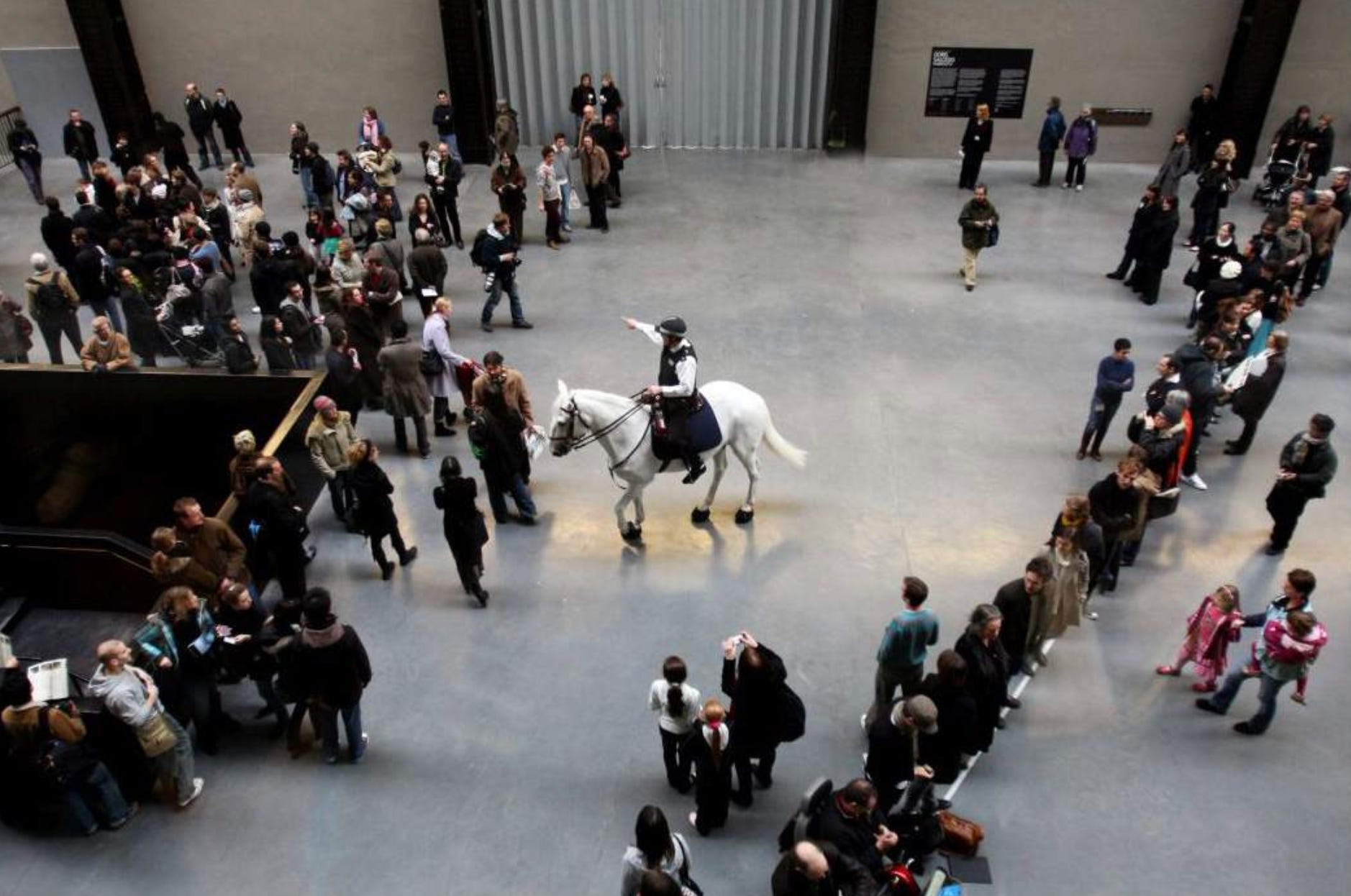
Humans love power.
Gluttons.
We hope for fate, and when we lose confidence in it we seek ways to define it.
Stability in the form of work. Guarantees on lifestyle. An identity we can maintain.
All of this to not feel like we will fall away into the darkness.
And those that maintain it on our behalf, the caretakers of our free will, we offer the greatest status, power and focus.
Many take it without us knowing, choosing themselves for the role.
Others emerge from the system around us, responsibility falling into their laps when they least expect it.
And an even smaller group find it when they least want it. Granted the status and privileges without a desire for what they turn you into.
But where does authority originate?
Authority
Authority. (n)
The legitimate power or right to give orders, make decisions, and enforce obedience.
Legitimate... The dictionary’s already decided. Implied power is such a beautiful trick of the tongue. One source of authority anointing another, authority creating authority. Better to choose those that rule in your own favour. An agreement to obey before the sentence can be finished.
The word authority originates from the Latin ‘auctor’. Roughly translated: the founder, the guarantor, the author. Author and authority are the same word. Authority is less about who enforces the actions and more about who defines what those actions are.
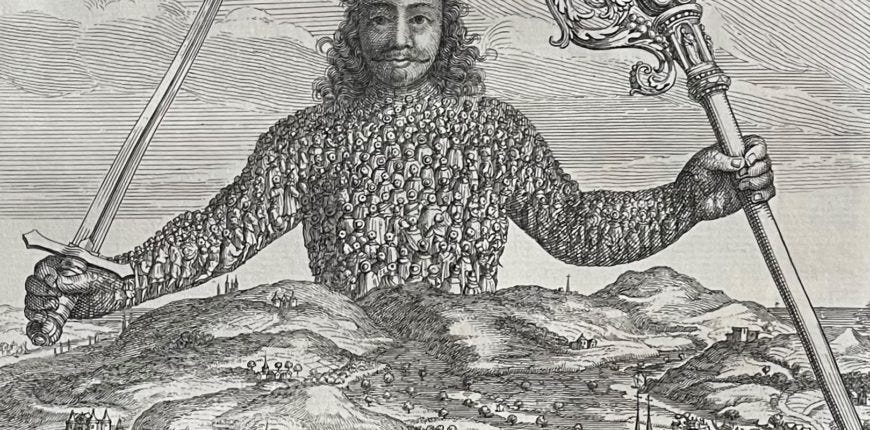
In 1651, Hobbes delivered his social contract, and decorated it with a frontispiece of the Leviathan: a king whose body is made of hundreds of smaller bodies.
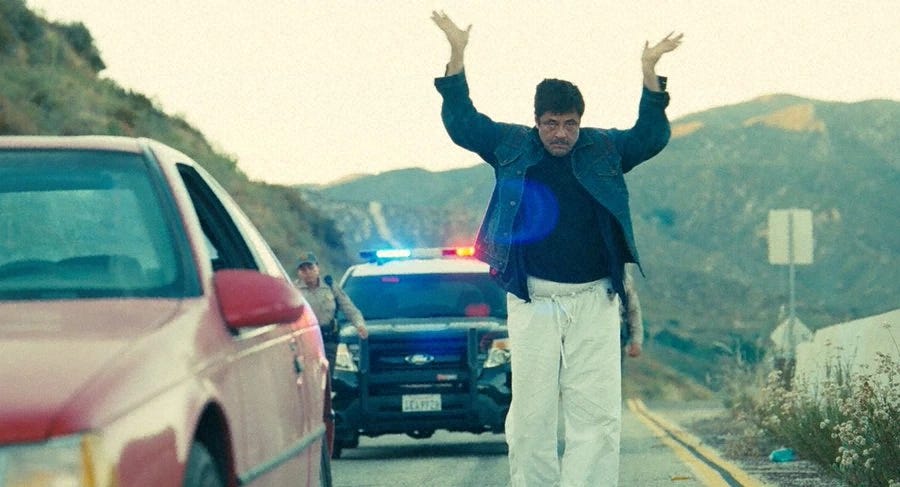
The policeman maintains power through careful balance of the triangle: his desire for control, the path given to him to do it, and ensuring we keep respecting that path. Without any of those vertices it fails.
Deference
Control is what the system does. Authority is the author of it, and deference is how we hand over the pen.
Deferring is innate within humans. We want security, or more, we fear the loss of it. Having someone in a role of authority gives us the excuse that certain things don’t need to be thought about. The brain can relax a little bit.
We navigate through life thinking we all want free will. The more I test that idea, the more I think most people don’t.
There’s a thought experiment around free will that is worth trying. Imagine now you are sat with all your worldly desires complete. Unlimited resources, life goals achieved, health, wealth, stability. What would you do next?
Maybe you already know.
Maybe you don’t.
Maybe that’s normal, because most people don’t have an answer.
Humans like tension. We need it, the friction. And those of us who are most afraid of how the world will treat us need it the most. Drama and problems justify our existence. They let us feel held. They remind us that whatever we’re doing is connected, even if it’s in opposition to what we ‘want’.
So who keeps the policeman in charge? Why is it there? Something material? The hat it wears, the uniform? The power it holds to apply the law? The confidence it carries from all of those things? Or simply because I agree to that power by virtue of where I am, the jurisdiction and the systems that incorporate it?
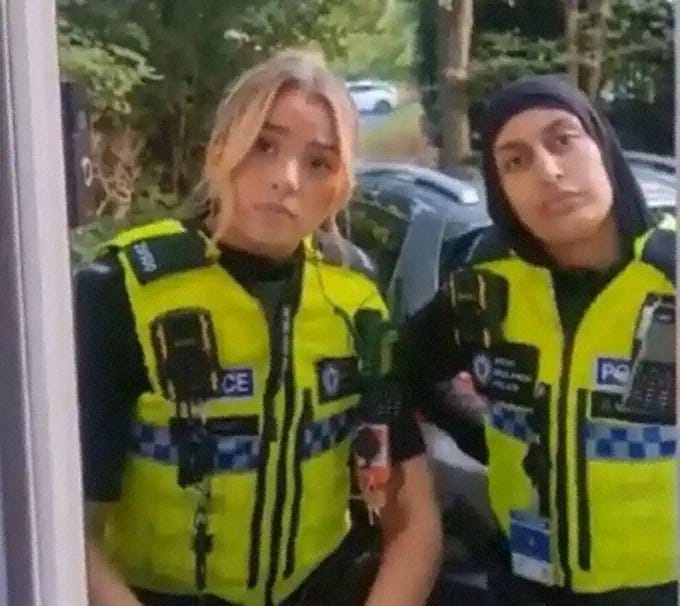
And if all of that is the case, how much of this is legitimate and how much illegitimate? How much of it is from me and how much from them? Because even though I didn’t agree to any of it, the people around me have. And that’s legitimised it in some way.
Legitimised
A banknote is a piece of paper and an agreement, but it can still be used to buy a house. Something made up, used to create something real. We mint authority the same way. Just because it’s made up doesn’t mean it’s not real. The shackles and systems may be immaterial, but they are just as effective.
Hume answered the social contract with a ship. You woke already aboard, miles out. The only way to withdraw your consent is the sea.
The first authorities were victims; scapegoats for the blame of the crowd and once they turned their violence onto a figure it wasn’t long until it became sovereign. A king is just a scapegoat with a stay of execution.
In England, authority lives in the environment, the King’s land. Our ability to affect the nation state is limited compared to most of Europe. Even within the arts, the institutions rule and deference runs deep. You won’t find many willing to exist outside those structures, or to admit there is quality outside of them. All paths lead to the incumbent axis of power.
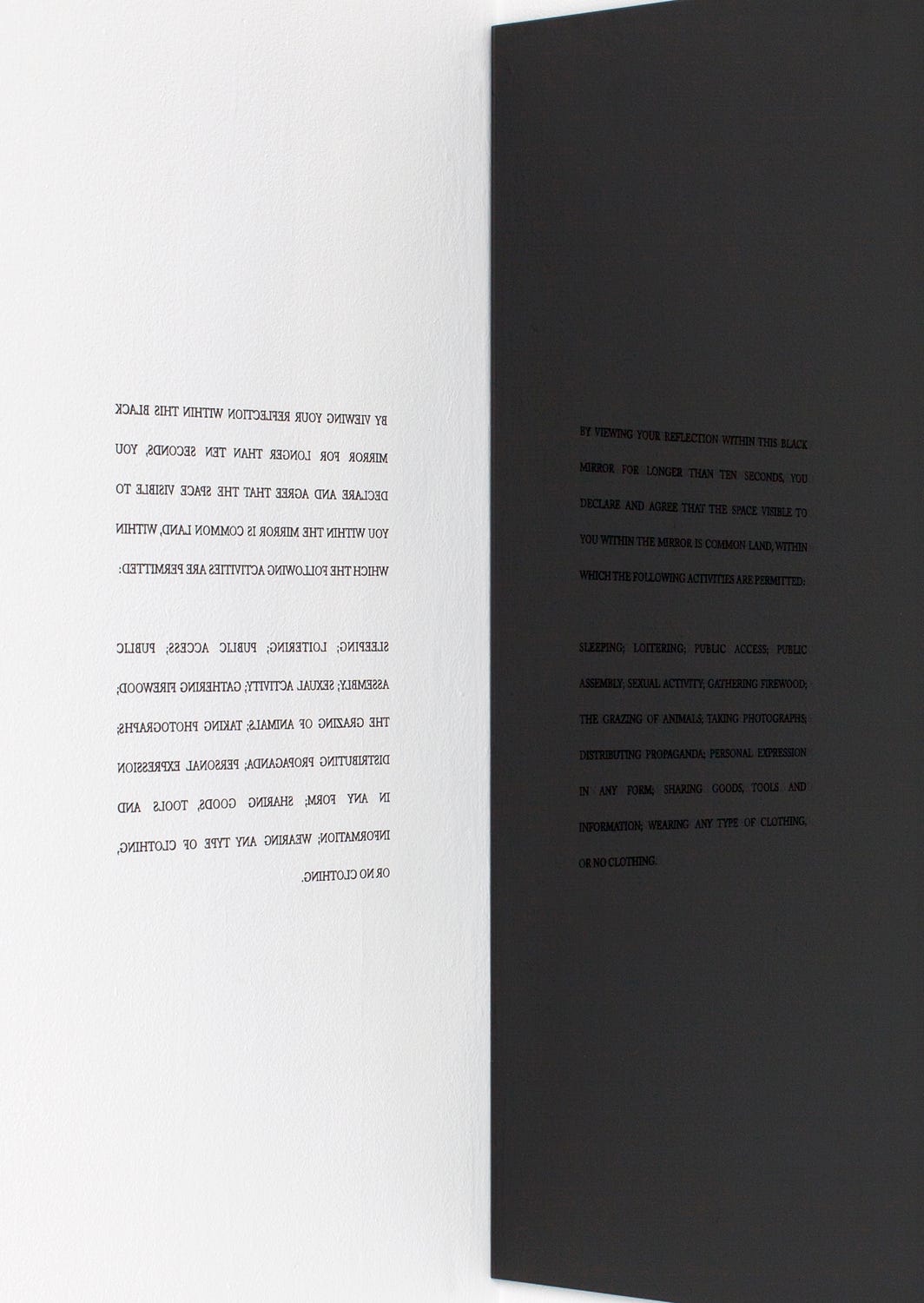
England teaches authority socially through the environment. There is a well aligned idea of what is proper. Good and bad, high and low, correct and vulgar. England aligns it’s popuplation without brute force, it just leans on you enoigh to make you feel badly arranged.
So where can the English human find control? The garden. The small kingdom we are still allowed to rule. And just as we judge our rulers, we will judge our garden.
This week I was in Vauxhall Park and picked up some lavender. Volunteers run the park. A little network of them. Nobody appointed them. They banded together and took authority over their environment through contribution, and now they define that space more than anyone else. They are no different to the policeman. That doesn’t make them bad. It makes them the holders of authority. They just did it.
I can’t change what they’ve built, and, I don’t want to. Because today, due to their authority, I have some free lavender. I have been bought off, and now their authority has grown.
This isn’t new for this area. Three hundred years ago the neighbouring park was called the Pleasure Gardens. It cost a shilling at the gate, and the paths around it were designed to give you something you didn’t have elsewhere. Freedom.
When we look at how we interact with gardens and plants, we see that we are creating places where we have unlimited authority. Yes, we’re limited by the seasons and our skill. But the weeds are pulled, and the rosebush pruned. Everything is in its right place, and there is only one source of authority.
Me, and my work.
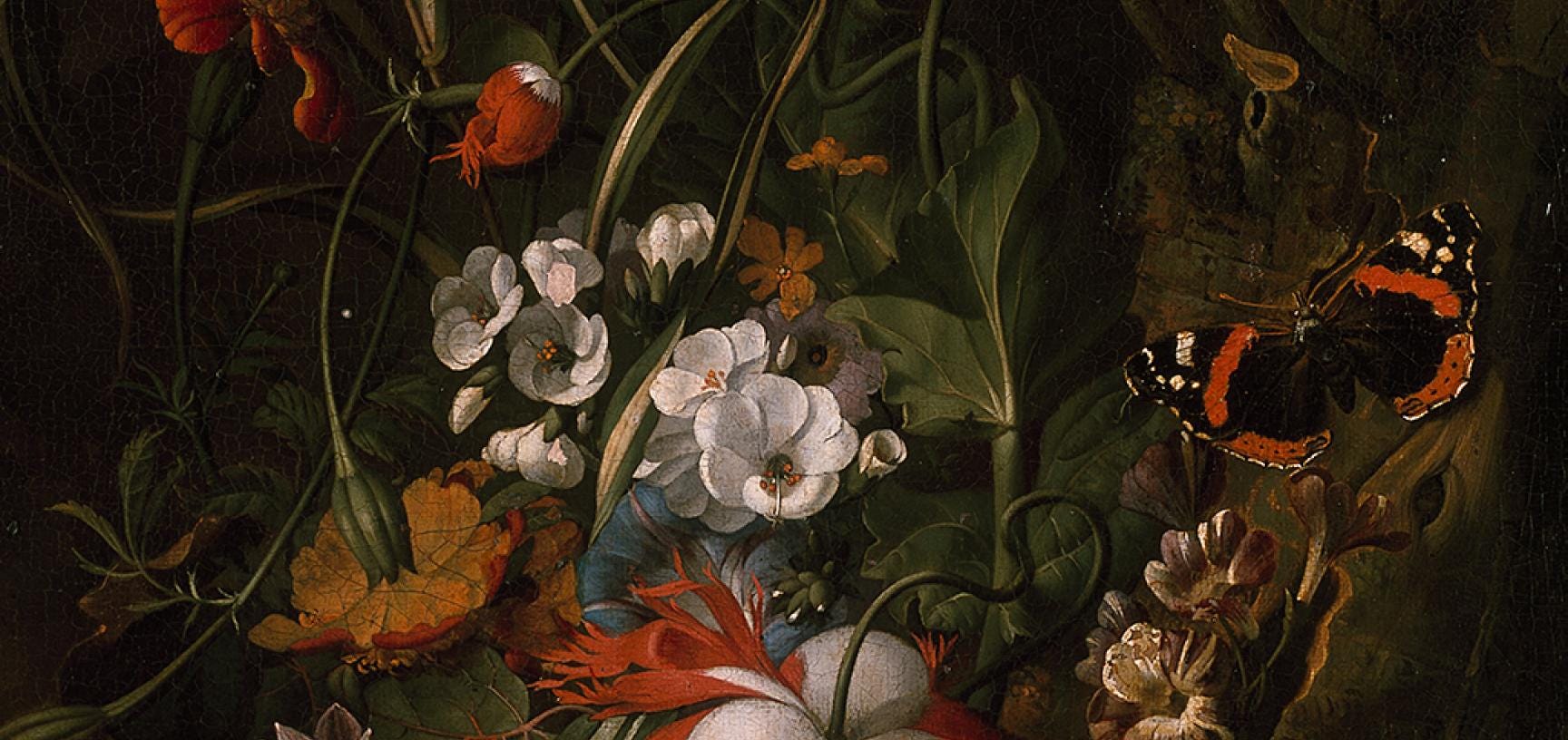
We like that the garden can’t fight back. We like it because it’s how the world treats us, and when we are forced to defer to the authority, it can feel good to pass that down the chain. And if we are just in our gardening, maybe the authority above me is just in how it treats me, even if, like the trees I prune, my fate is fixed.
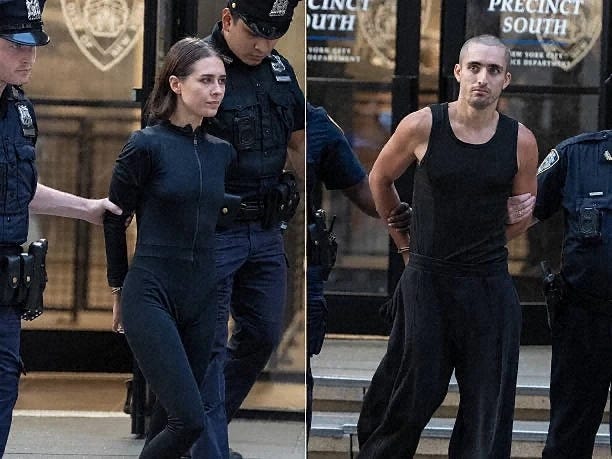
Part of my identity is that policemen exist, and I agree to that idea.
“I” am someone who says policemen can do things.
That’s the basis of all of of this...
Tomorrow you will still stop at a red light.
Why is a policeman in charge?
simply because I said so.
But if authority comes from me,
why can’t I get rid of it?
See you next week,
love you loads,
r x