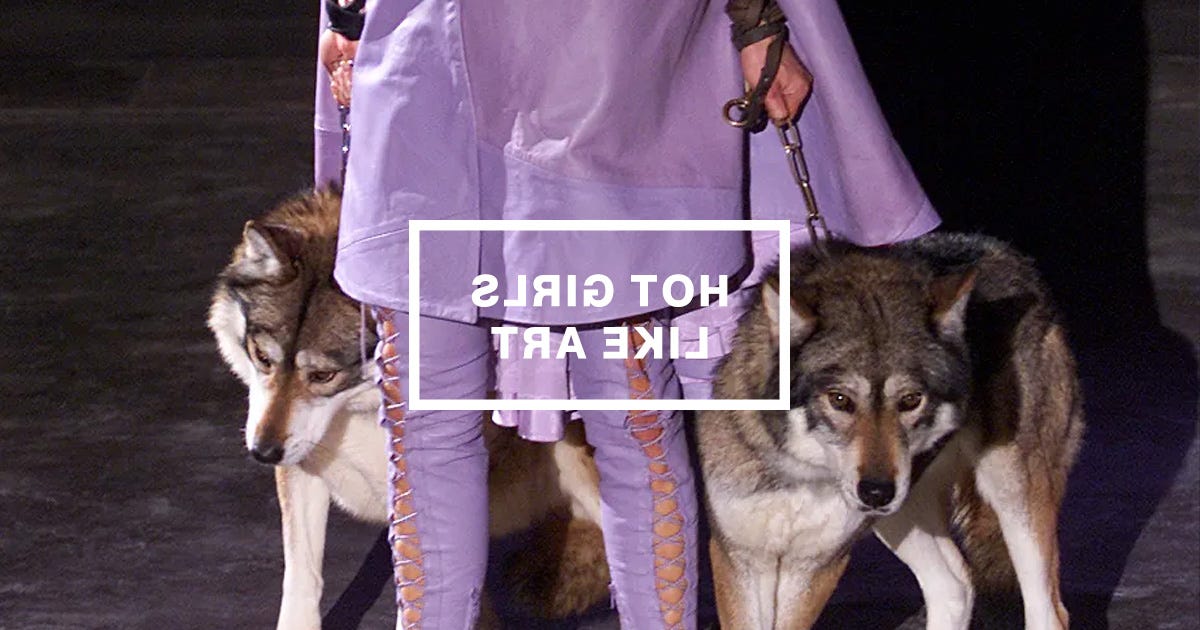
I love it when you wear a collar
but I don’t think we need a leash

What I loved is that she liked it when I pushed her,
When I took her to the edge.
No matter how hard I pushed, she’d always be there, looking at me, smiling. I’d be on the edge of what I thought was possible. But she still had more to give. I couldn’t find a way to break her. It’s not that that was my intention, but I knew she wanted me to push her limits. I was trying to go beyond what she could do, almost to impress her, to meet her desire to go faster, further. I knew she wanted more, she always did. I understood when she was happy. And when she wasn’t.
The first few times we tried, I’d have a collar and leash on her. At first, it was short. I’d keep her close to me. Over time, I made it longer. But she’d just go further away and keep pulling. Eventually, I realised that it was better when she didn’t have one at all. It was better when she understood where we were going. If I communicated to her consistently that this is where we’re going and we’re going there fast, she’d push me. I’d be chasing her down because she’d be ahead of me, waiting. Smiling. Knowing that maybe that next junction is where we go to back to the field.
We’d go on these runs along the canal path. For miles and miles, we’d be running along the same route, sometimes in the sunshine, sometimes in the freezing cold. She loved running in the cold.
She’d taken the route hundreds of times before, and she was excited, but she didn’t know how long we were gonna stay on it for this time. I don’t even know why there was a collar on her, because we didn’t need it. We knew we were a team. It was more my confidence about what could happen if she ran off. If she got distracted.
When we hit the canal path, she’d sit by my side until she got to this point where she thought that she could go further, faster. She wanted to stretch her legs. I was the one holding her back in the game. She’d race ahead to the next exit, and I’d keep running at my pace. I couldn’t keep up with her. And I knew if I changed my pace to keep up, we’d have to leave at that next path. And she knew that as well. I was never sure if it was that she was getting tired and bored of the run, or she wanted to go faster. All I know is that she’d be waiting at that next exit.
When I was confident, I used to think that she wanted to leave. Maybe that was insecurity, not confidence. I thought maybe she was signalling to me that that was the end of the game. As I got older, what I realised is that she was waiting for me in case I wanted to leave. She just wanted to be certain that I could keep up.
We’d run. Path after path. Next to each other, her smiling, until the route home happened.
At the start, I used to think that when we were around traffic and distractions, I needed to put the leash back on. For a while, I did. She’d get distracted. I’d pull her back. But I don’t know if that was my own insecurity about losing her. Or that she needed to know that, for those moments, I wanted control.
Towards the end, there was no need for it. We’d go out the door, and based on what I was wearing, the time of day, the shoes on my feet, my demeanour, she knew the game we were playing. She knew how fast she could go before I started panicking. How far. And she knew how to manage all the things that I had taught her were dangerous. There wasn’t any danger any more, because she knew as much as me. And all we had to worry about was going on this journey together and enjoying it.
Part of that journey was learning to trust her. And knowing that maybe she’s the one leading the pack. And maybe she was giving me this space to put a collar and leash on her because I’m worried I wouldn’t keep up.
A collar makes sure you know how to get back home if you get lost. But the leash gives you the power to pull them in the direction you want. It gives you the ability to train, to teach. What we love about collars is this feeling of ownership and connection to a space where we have control. But I think it’s better without. I’ve always liked the idea that you don’t need either when you have alignment. But it also means that, should the worst things happen, you might not make it back together.
Paths
Trust and alignment are a complex part of freedom. We want to live our lives with others, but take different routes.
Even when we’re both in alignment, life can get in the way. We’re different people, so different things happen to us. And even though we may have the best intentions, sometimes things don’t get over the line.
That separation creates insecurity.
What if they don’t get there?
What if they don’t want to?
Fear
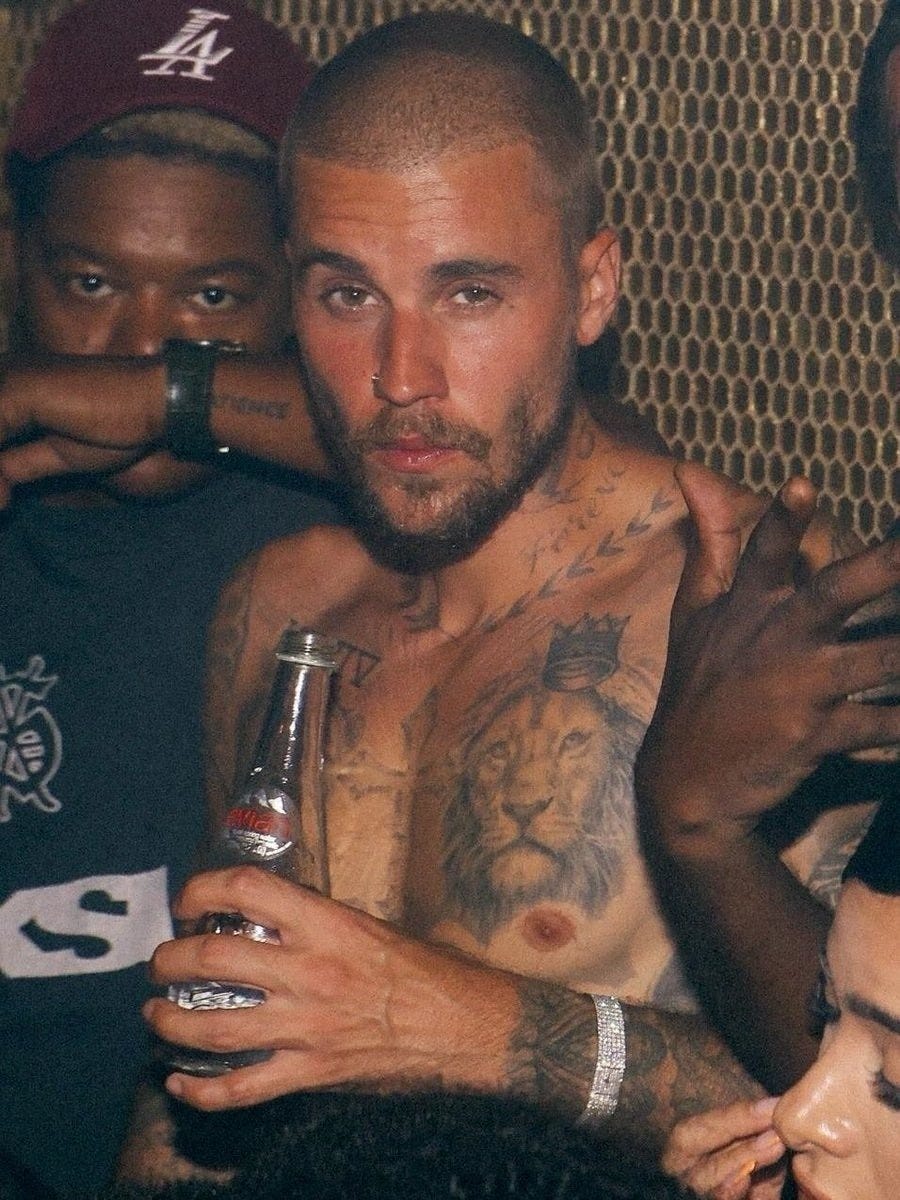
Orpheus was like the Justin Bieber of his time. The most beloved artist of all the land. His partner in crime and muse, Eurydice, was like the Hailey. Together, they formed the power couple of Greek mythological music. The pop king and queen.
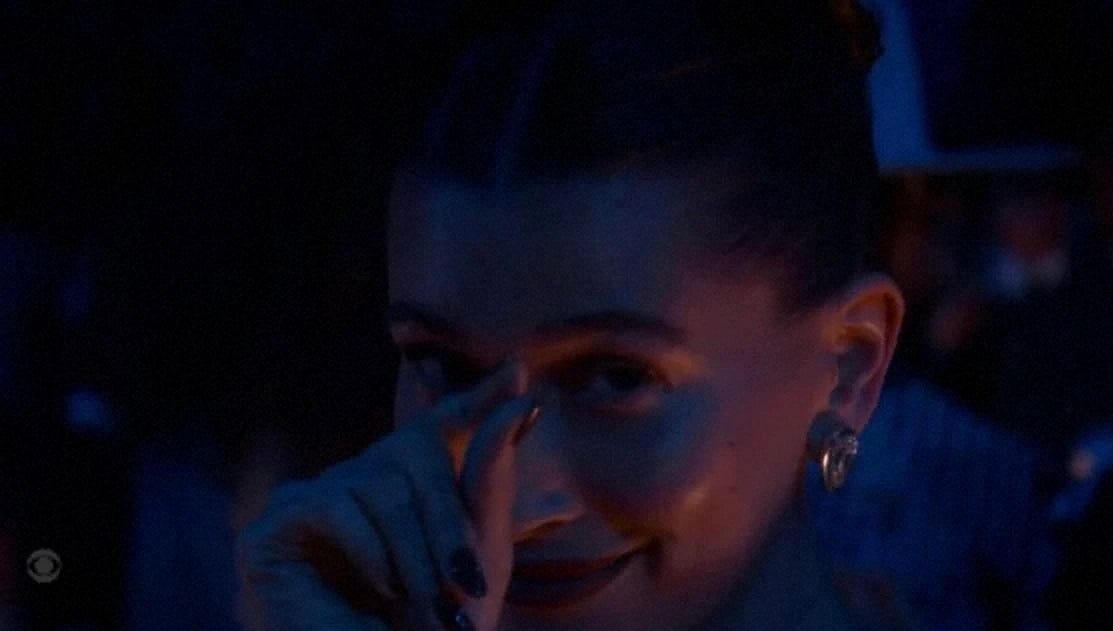
One day, Eurydice is running through the forest, being chased by Aristaeus, a son of Apollo. As she runs, trying to escape and get back to her soulmate, she trips. The story says she’s bitten by a snake, and she dies. But if a tree falls in the wood, does it make any noise?
Orpheus, stricken by grief at the loss of Eurydice when she doesn’t return, goes looking for her. All the way, playing his lyre. A portable harp. Hoping that she hears the noise and comes back. Why’d she leave? How could she have gone?
He has scoured the planet and can’t find her. There’s only one place left to look. The one-way path along the River Styx into the underworld. As he walks the path, playing his music, the underworld begins to vibrate and brighten.
The underworld is ruled by Hades and Persephone. Like all power couples of such dark territory, they’ve had their own problems and experiences managing love. Persephone is a seasonal character within the underworld, spending six months, in winter, with her soulmate Hades, and the others on the land with her mother, making sure the ground stays fertile. Hades, committed to his work, stays there year-round. Long distance and families create complex relationships. When they see love, they understand it.
The vibe’s shifted in the underworld and Orpheus is to blame. While Hades and Persephone love love, they’re also trying to curate a certain je ne sais quoi. Orpheus is ruining that. So they visit him and ask, “What are you trying to do?”
He says, “I’m looking for her. I’m looking for Eurydice. Have you seen her?”
Hades and Persephone, always looking for a deal to make, realise that Eurydice is inside the underworld and that she has died, but they give him one last chance. It comes with a catch.
“Orpheus, if you turn back and keep playing the music, and Eurydice decides to follow you and leave the underworld with you, we will return her to the land of the living. All you’ve got to do is make sure you leave with her and that you both cross back into daylight without turning round to check if she follows.”
Orpheus, happy with the deal, confident in his musical ability and Eurydice’s desire to follow, begins the walk back. And as he plays, his mind wanders. He can’t hear her, he can’t see her. All he has is his faith. He doesn’t turn around, because he knows that’s the end of the game. But the mind is a complex beast, even for someone as talented as Orpheus.
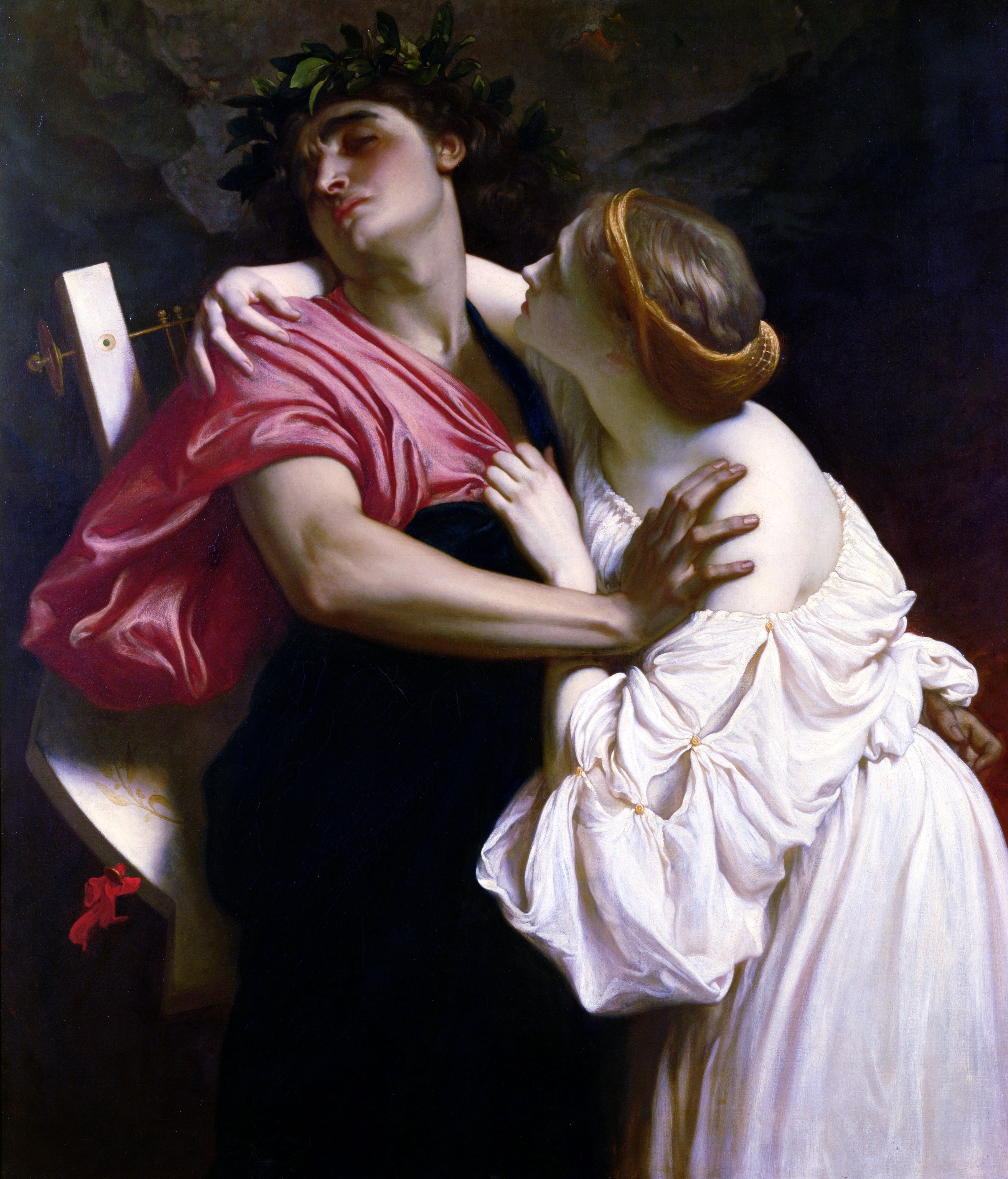
He keeps walking. Step after step, murmur after murmur. ‘Maybe she doesn’t want to’. ‘Maybe the music doesn’t work’. ‘Maybe I just turn around and see her here’. ‘I miss her so much’. All of these thoughts in competition with what he knows he has to do to get her to safety.
He sees the light ahead and races towards it. And slowly, the light becomes large enough that he knows he’s about to cross that threshold. And he realises: soon I’ll see her again. He steps through, the sunlight painting his face. His lyre still in hand, tones flying from it. And he’s overcome with joy. He flicks himself around, turns to see her. And as he looks, he’s met with her eyes. But they’re not what he expects. For even though he has stepped into the light and freed himself from the darkness, she is a few steps behind. Still in the shadows. And although he gets to see her, it’s for the last time.
It’s a painful story, of course.
Orpheus looks to check if she’s there. He lacks sufficient trust and faith that he can endure the route. Or maybe he simply made a mistake. Either way, he’s pulling on the leash. And sometimes that can stop danger, can give you closure. And other times, it’s simply an indication that you don’t trust them.
Route
I believe that I know where I’m going, and it’s not a path that many have walked. I’ve been pursuing this with an all-or-nothing mentality for seven years now. There is no separation between art and artist.
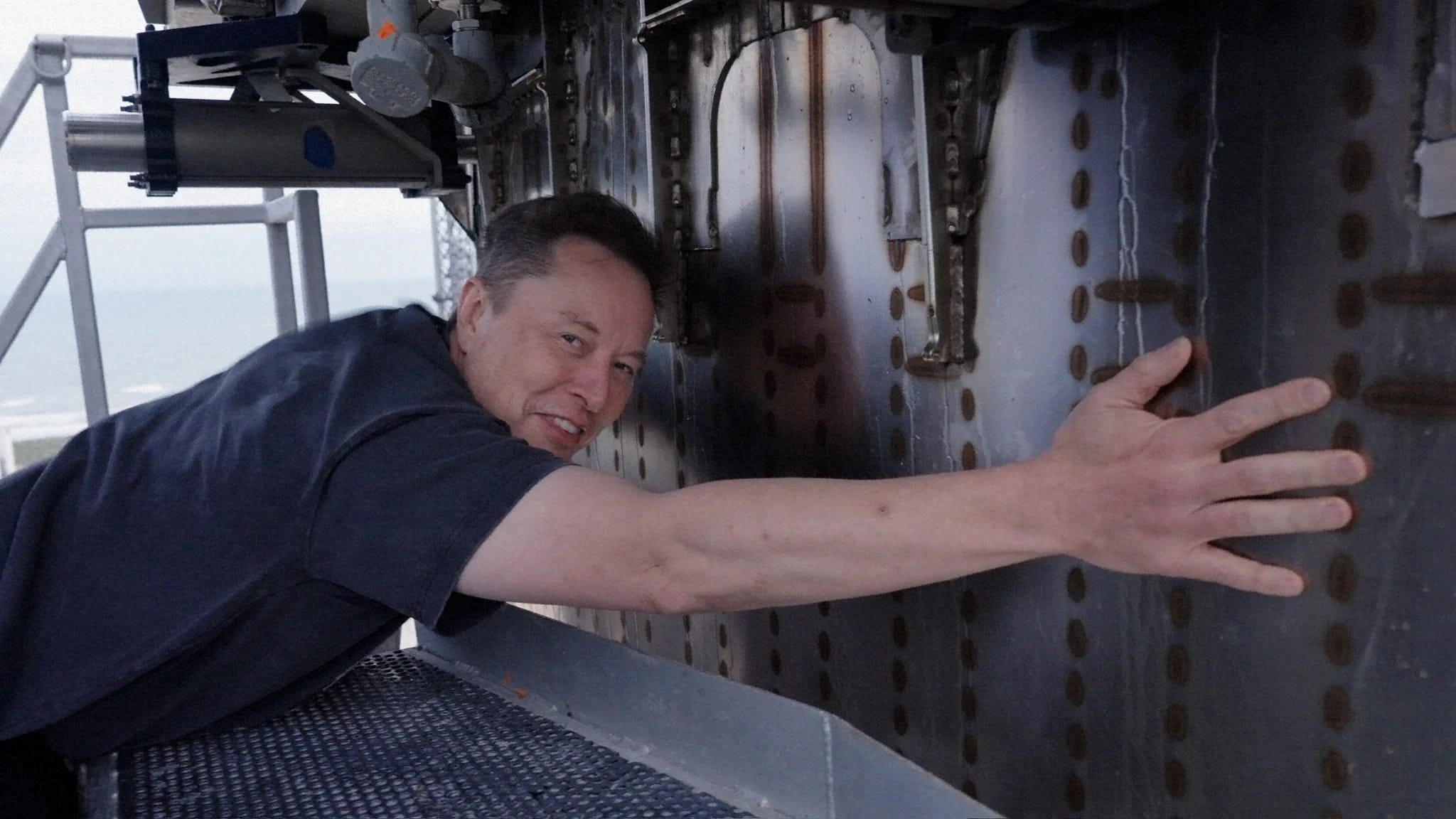
If I’m gonna play with these complex ideas, I have to live what I’m doing. The experiments have to start with me. And that can scare the people who become close to me, who are new to the journey. Hearing someone narrate how manipulative the world is associates them with it.
When people have most strongly pulled on my leash, it’s when I’m taking on too much risk, when I’m rolling the dice too much given the state that I’m in. But I think art has to take risk.
Edge
One of my best friends always says that when someone steals from you, if it’s small, it’s a cheap lesson. You should let it happen. I like that feeling. I like having that feeling of vulnerability around people. To see. See what they can do.
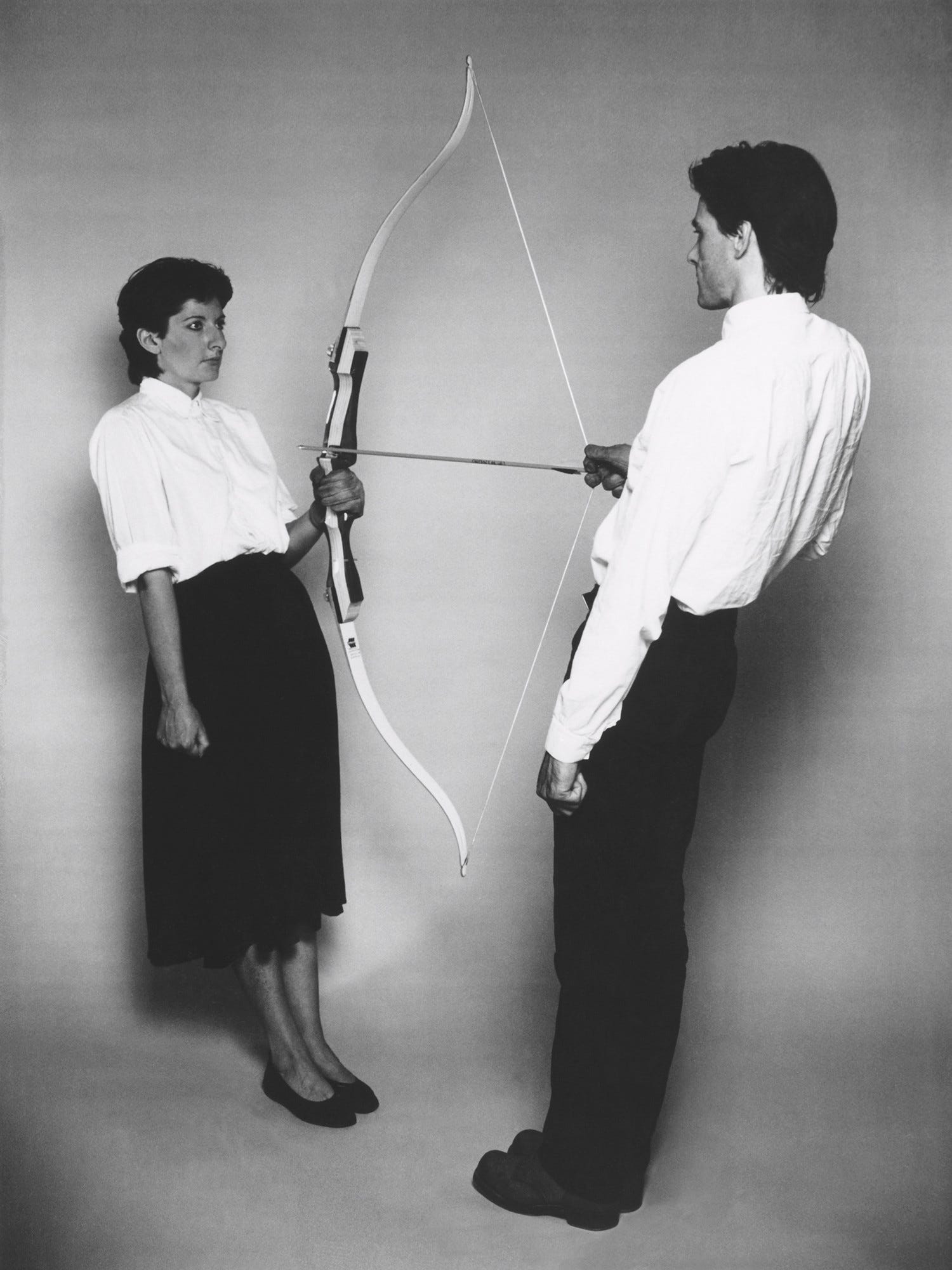
The price in my life for living this way is that I see the worst in people relatively early on, because I allow them the opportunity to show it. That doesn’t mean it stops them being in my life. It just means that the space I keep from them is relative to how much I should trust them. But I’ve already experienced the pain of whatever they’d do in time, as early as I can.
I understand love. Not as well as I’d like to, but from what I can see, better than most. Not because I’ve experienced it to any greater degree, but because I’ve met those that have, and heard what they’ve said, and tried my hardest to feel what they felt.
I know it’s dangerous. Doesn’t mean it always works. Doesn’t mean that it’s sustainable. But you do see. That’s what happens when you go to the edge. You see what normal looks like. And sometimes the pain and difficulty of the edge are better than the simplicity that everyone, seeking normal, can find.
Lyre
What I understand about Orpheus is that he’s still holding the lyre. He’s still holding the thing that is him and, as any artist knows, that’s the only thing that we really have. I think it’s interesting to understand what he does afterwards.
He keeps playing it. He keeps playing it because it’s attached to him. It’s him. And even though we might want someone along for the ride that we’re playing for, the reality is that at some point they all leave. And we have to understand that the love that we have for the work is why we’re doing it.
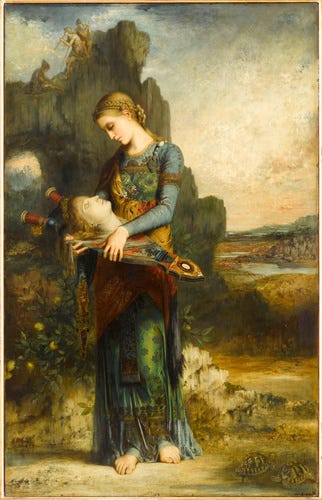
For years after, he continues to play, because he understands that it’s what she loved. And although many try to take her place, they can’t. But eventually, his refusal to let someone replace the woman he loved causes the Thracian women to tear him apart. They rip him to pieces, and as those parts of him and his lyre travel down the river, they continue to make noise. And now, as a shadow, with no limitations, he finds Eurydice in the underworld, where they can walk side by side, looking at each other as often as they want, because now they stay together forever.
It’s a bit like the canal path. Even though it takes a lot to get to that point in a relationship, once you’re there, you can give them as much space as they need, because you know they’re going to be waiting for you no matter what.
I’m still making art. I’ve lost countless friendships and relationships to me pursuing this. Some couldn’t keep up, and some tried to prevent it, but many supported it. Many raced far ahead, and if I look at those that have really helped me, it’s the ones that realise that this is hard. It’s hard financially, it’s hard spiritually, it’s hard as a lifestyle. And I’m so grateful that there have been so many people that have succeeded and been part of my journey that have then taken the time to step back into it and, if I’m honest, buy my work. They waited at the next exit for me.
Poets corner
The Silken Tent

She is as in a field a silken tent
At midday when a sunny summer breeze
Has dried the dew and all its ropes relent,
So that in guys it gently sways at ease,
And its supporting central cedar pole,
That is its pinnacle to heavenward
And signifies the sureness of the soul,
Seems to owe naught to any single cord,
But strictly held by none, is loosely bound
By countless silken ties of love and thought
To everything on earth the compass round,
And only by one's going slightly taut
In the capriciousness of summer air
Is of the slightest bondage made aware.

- Robert Frost
Final Words
All this to say, when you know you’re going in the same direction, all you need to know is where you’re going. And make sure that you don’t stop until you’re both there.
Persephone lives with a collar and no leash. She always knows how to get home, and even though Hades is this all-conquering king of the underworld, he never has to drag her back. She goes of her own accord, although for half of her life she’s met with distraction and other opportunity.
If there is someone that you love, and you’re trying to figure out how to build trust, maybe consider giving them the space to get it wrong. And making sure, before you do, that you both understand how it’s gonna hurt one another. And what you’re gonna do if and when it goes wrong. And then when it does, because when you’re taking risk there are mistakes and people do get hurt, you find a way back together. That means that next time you’re in this situation, you can enjoy the running and the journey instead of being scared that they’ve left you.
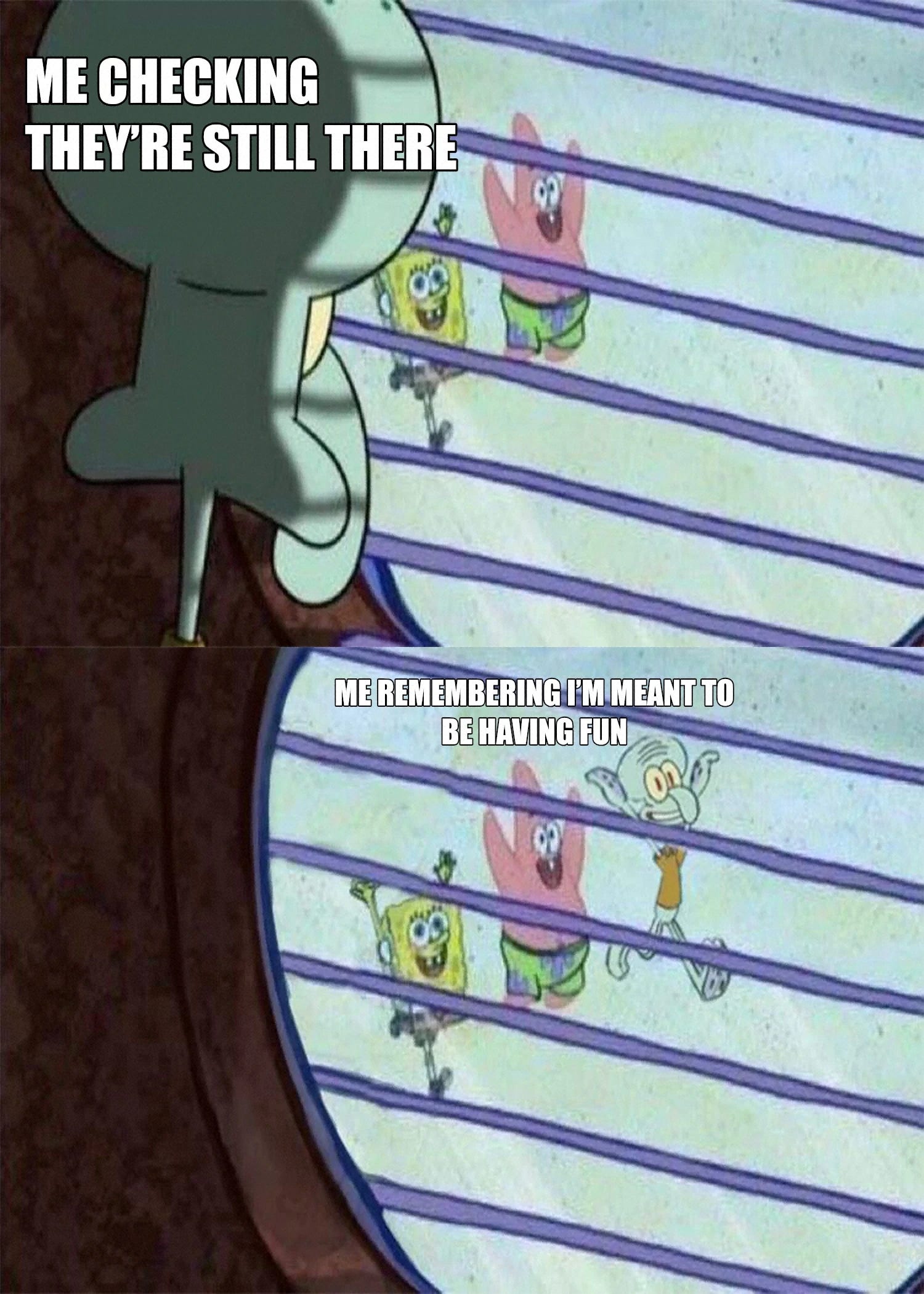
Hope you have an amazing week.
Peace and love,
Your obedient servant,
R x
Discussion about this post